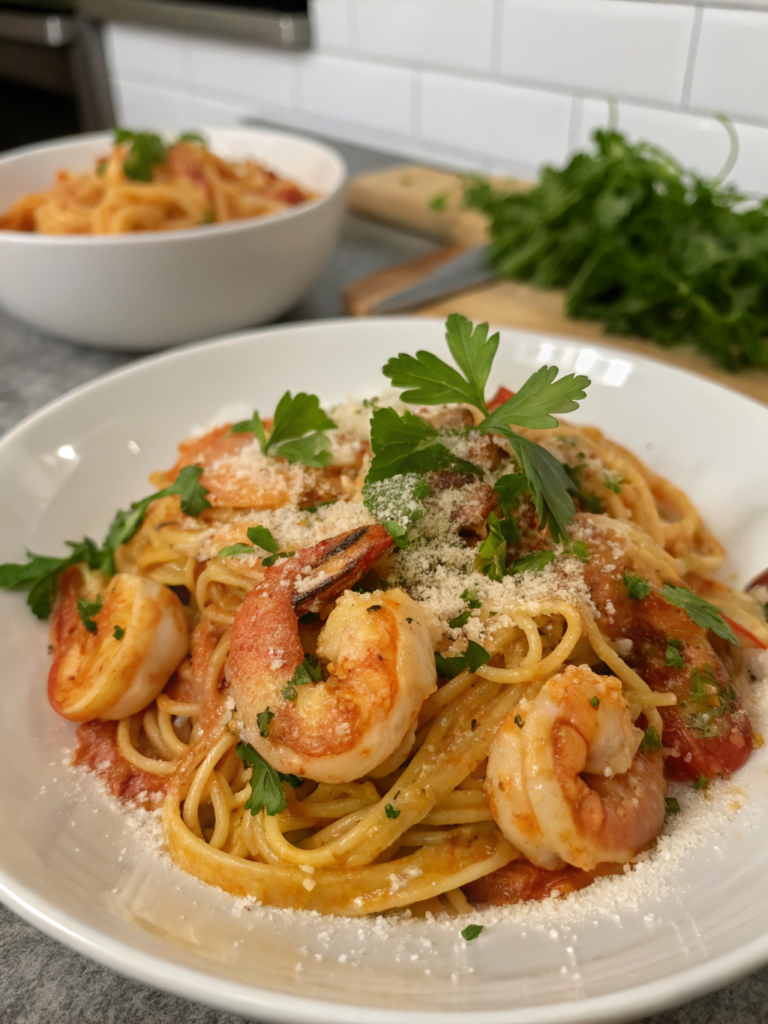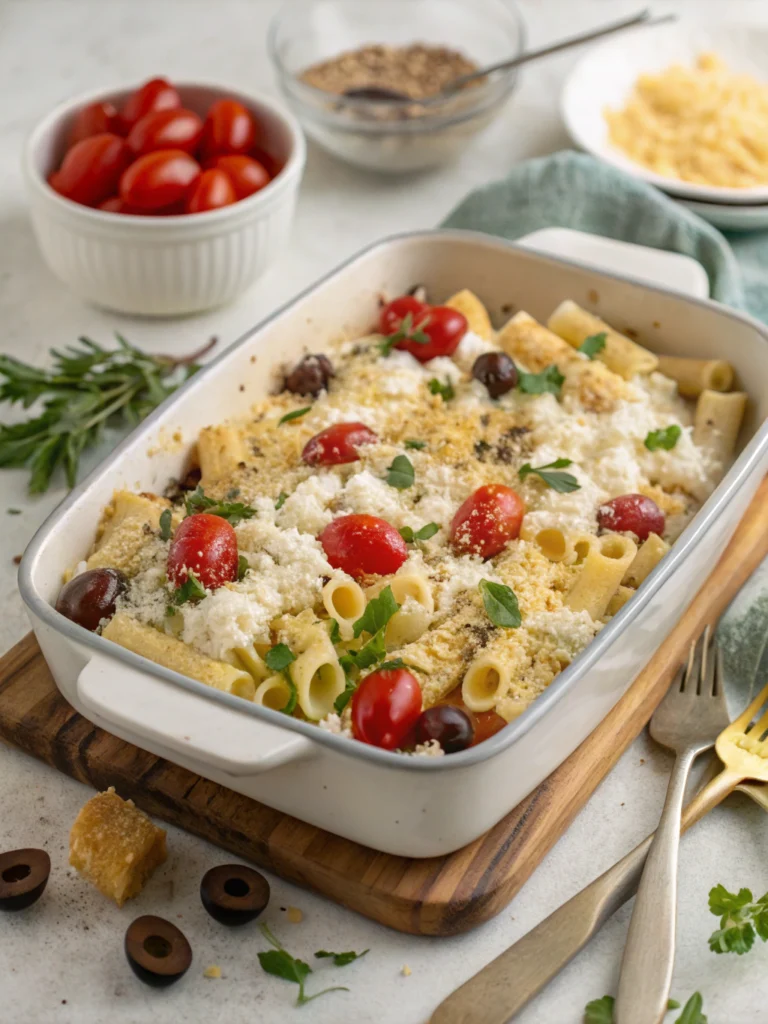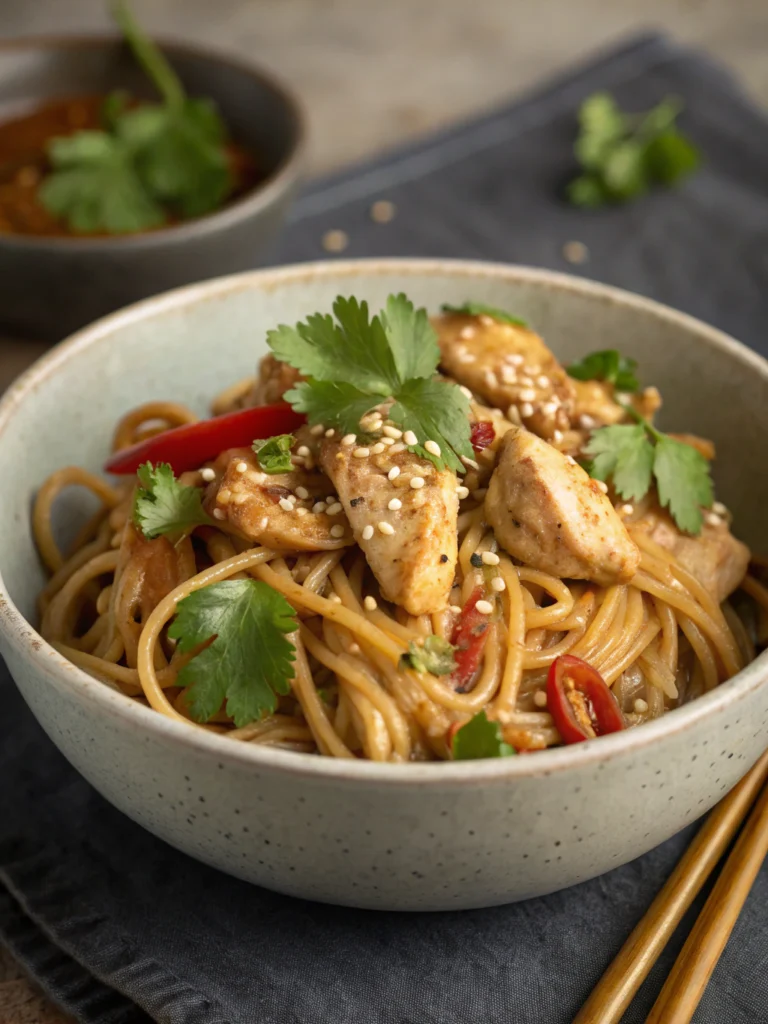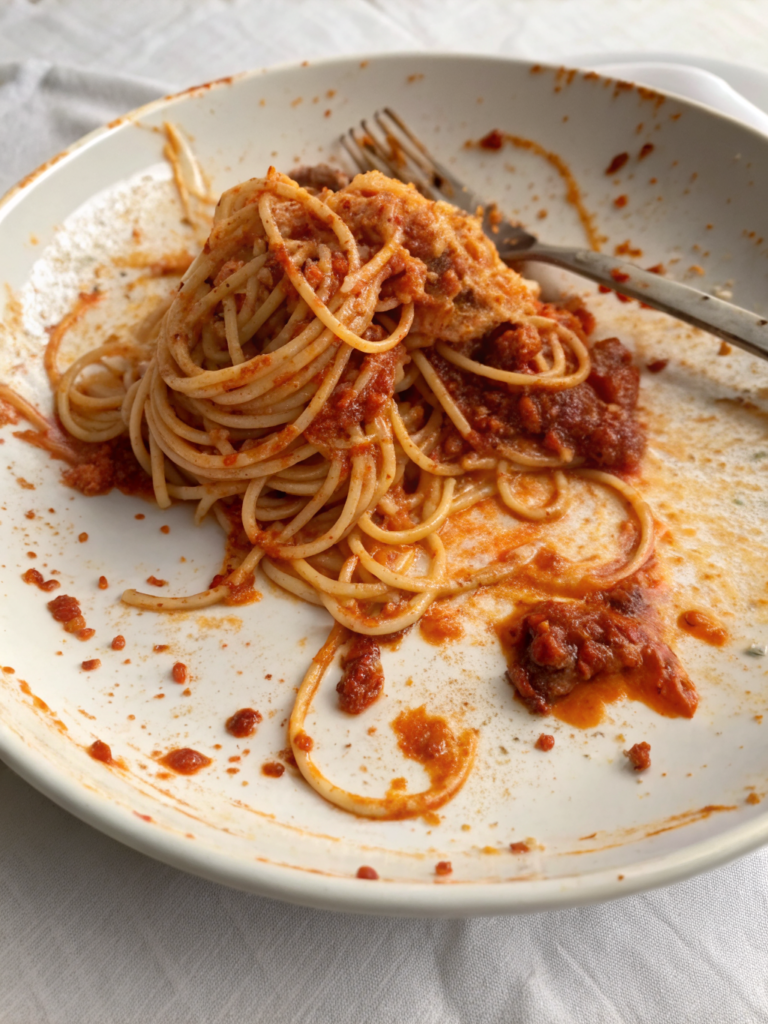
20-Minute Pesto Chicken Pasta With Silky Sauce
Table of Contents
Introduction
What if you could create a restaurant-quality dinner in your kitchen in just 20 minutes? According to recent meal-planning surveys, 73% of home cooks struggle to find quick, satisfying weeknight dinner options that don’t involve takeout or processed foods. That’s where pesto chicken pasta becomes your secret weapon. This elegant yet surprisingly simple dish combines tender chicken, vibrant basil pesto, and a silky sauce that tastes like it came straight from an Italian restaurant—but it’s completely doable on a Tuesday night.
The magic of an easy pesto chicken pasta lies in understanding one key technique: using pasta water to create an emulsified sauce that clings beautifully to every strand. No cream needed. No complicated reductions. Just fresh ingredients, proper timing, and one brilliant trick that transforms basic components into something extraordinary. In this guide, we’ll walk you through every step to create this quick weeknight pasta that will have your family asking for seconds.
Ingredients List
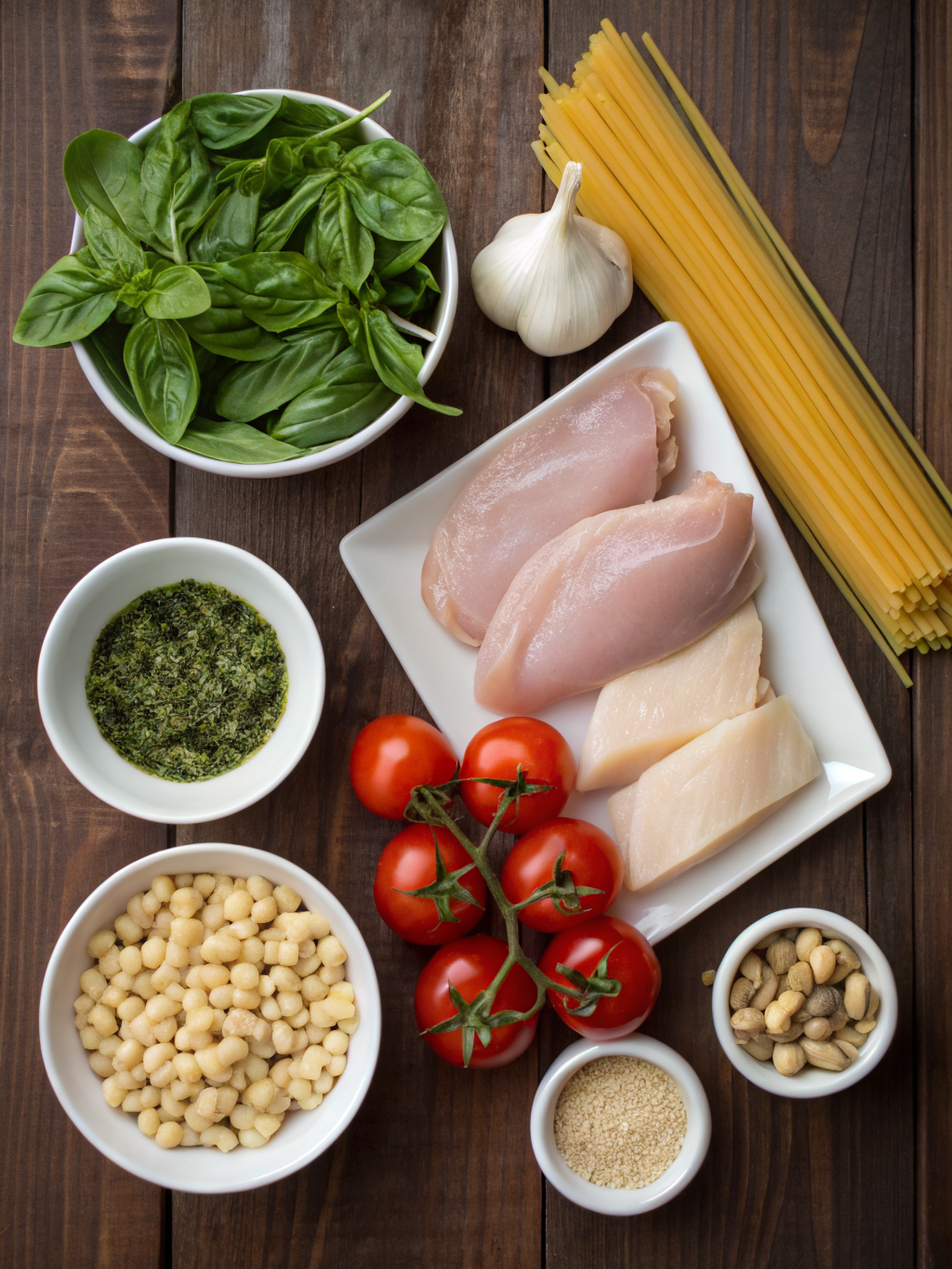
- 1 lb boneless, skinless chicken breasts – lean protein that cooks quickly; substitute with chicken thighs for extra juiciness
- 12 oz pasta – linguine, fettuccine, or penne work beautifully; whole wheat or gluten-free options available
- 1 cup fresh basil leaves – that bright, peppery herbaceous flavor; no substitutes capture the authentic taste quite the same
- 3 cloves garlic – minced finely for even distribution throughout the pesto
- ½ cup extra-virgin olive oil – cold-pressed for superior flavor and nutritional benefits
- ½ cup grated Parmesan cheese – adds umami depth; use Pecorino Romano for a sharper bite
- ⅓ cup pine nuts – toasted for nutty richness; walnuts or almonds work as budget-friendly alternatives
- 2 tablespoons fresh lemon juice – bright acidity that balances richness
- Salt and black pepper to taste – season gradually throughout cooking
- Optional: 2 cherry tomatoes, halved – adds color and fresh acidity to the final dish
Timing
Prep Time: 10 minutes – This includes washing and drying basil, mincing garlic, toasting pine nuts, and slicing chicken. Think of this as your mise en place phase—having everything ready before you start cooking eliminates stress and ensures smooth execution.
Cook Time: 10 minutes – Chicken sears in 6-7 minutes, pasta cooks simultaneously, and sauce comes together in the final 2-3 minutes. This parallel cooking is what makes this a genuine 20-minute meal.
Total Time: 20 minutes – From cold stove to plated dinner. To put this in perspective, this is faster than most food delivery options, yet infinitely fresher and more nutritious. You’ll have a homemade, elegant dinner ready before a typical takeout order would arrive.
Step 1: Prepare the Pesto Base
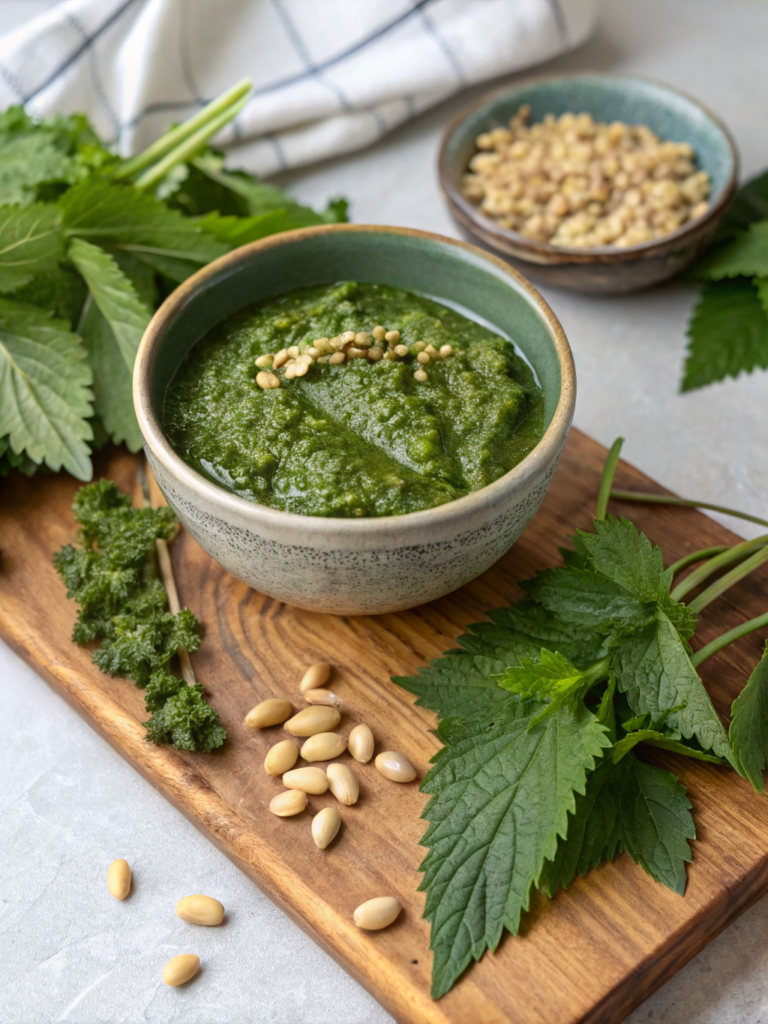
Toast your pine nuts in a dry skillet over medium heat for 2-3 minutes, shaking frequently until fragrant. This step is crucial—toasting awakens their nutty flavor and prevents them from tasting raw in the finished pesto. Transfer to a food processor with your fresh basil, minced garlic, grated Parmesan, and lemon juice. Pulse until coarsely combined, then slowly drizzle in the extra-virgin olive oil while pulsing. You want a textured paste, not a completely smooth sauce—this rustic texture is more authentic and interesting on the palate. Season with a pinch of salt and set aside.
Step 2: Cook the Pasta
Bring a large pot of salted water to a rolling boil. The salt should taste like the sea—this is your only opportunity to season the pasta itself. Add your pasta and cook according to package directions, but reduce the time by 1 minute (you want it al dente, with just a slight firmness to the bite). Stir occasionally to prevent sticking. Reserve 1 cup of pasta water before draining—this starch-laden liquid is the secret to your silky sauce.
Step 3: Sear the Chicken
While pasta cooks, pat your chicken breasts dry with paper towels—this ensures proper browning and prevents steam from inhibiting the sear. Season both sides generously with salt and pepper. Heat 2 tablespoons of olive oil in a large skillet over medium-high heat until shimmering. Add chicken and cook without moving for 3-4 minutes until golden brown. Flip and cook another 3-4 minutes until the internal temperature reaches 165°F (74°C). Transfer to a cutting board and slice into ½-inch thick strips while resting.
Step 4: Build the Silky Sauce
Return the same skillet to medium heat (don’t wash it—those browned bits are flavor gold). Add your prepared pesto and stir for 30 seconds until fragrant. Immediately add the drained pasta and sliced chicken to the skillet. Begin adding reserved pasta water, ¼ cup at a time, stirring constantly. The starch in the pasta water emulsifies with the oil in the pesto, creating a luxurious, silky coating that clings to every strand. You may not need all the water—stop when the sauce reaches your desired consistency. This usually takes about 2 minutes of gentle stirring.
Step 5: Finish and Serve
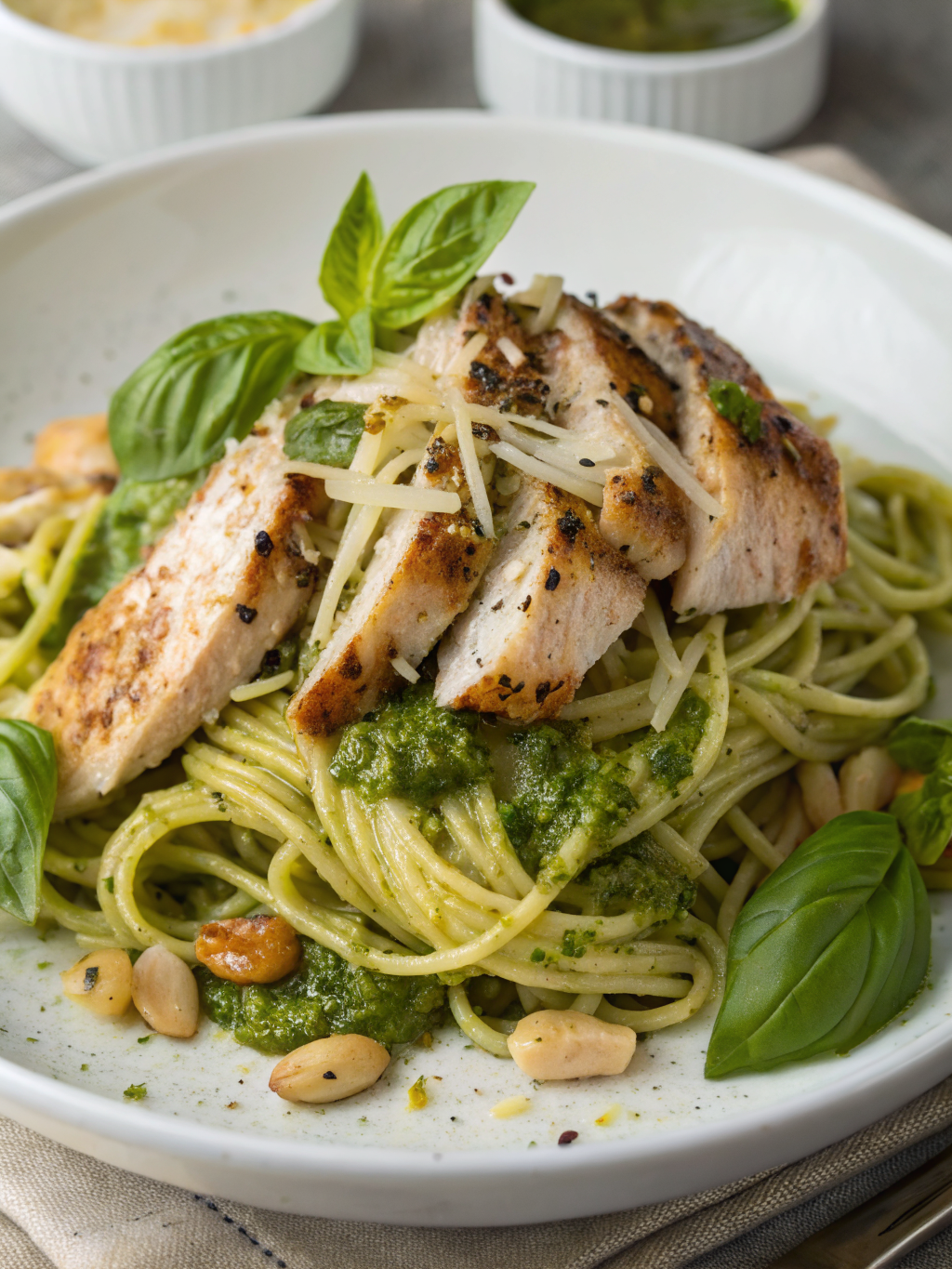
Taste and adjust seasoning with additional salt, pepper, or lemon juice. Transfer to serving bowls and top with extra Parmesan cheese, a drizzle of premium olive oil, fresh basil leaves, and cracked black pepper. Serve immediately while the pasta is at its peak temperature and the sauce is silkiest.
Nutritional Information
Per serving (based on 4 servings): Calories: 580 | Protein: 48g | Carbohydrates: 52g | Fat: 28g | Saturated Fat: 6g | Fiber: 3g | Sodium: 420mg | Iron: 2.8mg | Calcium: 180mg
This creamy pesto pasta sauce delivery method provides an excellent balance of macronutrients. The chicken offers lean protein for satiety and muscle support, while the pine nuts and olive oil provide heart-healthy fats and fat-soluble vitamins. The pasta provides complex carbohydrates for sustained energy, and the fresh basil contributes antioxidants and phytonutrients that support overall wellness.
Healthier Alternatives for the Recipe
Lower Calorie Option: Substitute half the olive oil with vegetable broth and use skinless chicken thighs instead—they’re juicier and more forgiving. Use half the Parmesan and increase lemon juice for brightness.
High-Protein Boost: Add white beans or chickpeas to the pan for extra fiber and plant-based protein without significantly impacting the cooking time.
Vegetarian Version: Replace chicken with crispy chickpeas, tofu, or halloumi cheese. Cooking time remains the same, and the silky pesto pasta sauce adapts beautifully.
Gluten-Free Option: Use gluten-free pasta—brown rice, chickpea, or lentil varieties work wonderfully. The cooking time may vary slightly, so check package directions.
Dairy-Free: Use nutritional yeast instead of Parmesan and substitute the olive oil with half olive oil and half vegetable broth to maintain creaminess.
Serving Suggestions
- Pair with a crisp Pinot Grigio or light Sauvignon Blanc that complements the fresh basil
- Serve alongside a simple arugula salad dressed with lemon vinaigrette to add brightness
- Add roasted cherry tomatoes for color, acidity, and a pop of sweetness
- Incorporate fresh mozzarella balls for an Italian-inspired touch and creamy element
- Top with crispy breadcrumbs mixed with Parmesan for textural contrast
- Serve as part of an Italian-themed meal with garlic bread and grilled vegetables
- Make it a lunch option the next day by serving chilled or at room temperature with additional lemon juice
Common Mistakes to Avoid
Overcooking the Chicken: The most common pitfall with basil pesto chicken is dry, rubbery chicken breast. Use a meat thermometer and stop cooking at exactly 165°F (74°C). Carryover cooking will continue raising the temperature slightly after removal from heat.
Not Reserving Pasta Water: Many home cooks drain pasta completely and rinse it—a cardinal sin in Italian cooking. That starchy water is essential for creating the emulsified, silky sauce that defines quality pesto pasta.
Making Pesto Too Early: Basil oxidizes and turns dark if made more than 30 minutes ahead. Prepare pesto just before cooking for the brightest color and freshest flavor.
Cooking Pasta Too Long: Overcooked pasta breaks down and becomes mushy, preventing proper sauce adherence. Cook to al dente—that slight firmness is intentional and textually superior.
Adding Cold Ingredients to Hot Sauce: Always let chicken rest slightly and ensure all components are relatively close in temperature before combining to prevent temperature shock and sauce breakdown.
Storing Tips for the Recipe
Refrigerator Storage: Store leftovers in an airtight container for up to 3 days. The pasta will absorb more sauce as it sits, which is actually delicious. Reheat gently in a skillet over low heat with a splash of pasta water or olive oil to restore creaminess.
Freezing: While fresh pesto doesn’t freeze perfectly due to basil texture changes, the cooked pesto chicken pasta can be frozen for up to 2 months. Thaw overnight in the refrigerator and reheat gently. The sauce may require a bit of additional pasta water to restore silkiness.
Make-Ahead Strategy: Prepare the pesto up to 24 hours ahead and store in an airtight container with a thin layer of olive oil on top to prevent oxidation. Cook chicken and pasta fresh on serving day for optimal results. The entire dish comes together in the final 5 minutes.
Pesto Preservation: Store homemade pesto in the freezer in ice cube trays for convenient portioning. Pop out a cube when needed for future pasta dishes, soups, or sandwich spreads.
Conclusion
This 20-minute pesto chicken pasta recipe proves that weeknight elegance doesn’t require hours in the kitchen or complicated techniques. By understanding the science behind emulsified pasta sauces, respecting quality ingredients, and maintaining proper timing, you can create restaurant-quality meals on even your busiest days. The beauty of this recipe lies in its simplicity—fresh basil, quality olive oil, lean protein, and one crucial pasta water trick transform ordinary ingredients into something extraordinary.
Start with this easy pesto chicken pasta tonight, and you’ll find yourself returning to it again and again. It’s the kind of recipe that becomes a weeknight staple, a go-to for impressing guests, and a reminder that the most satisfying meals don’t require complexity. Don’t let another week of uninspired dinners pass you by. Gather your ingredients, set your timer for 20 minutes, and discover why this silky pesto pasta is about to become your new favorite quick weeknight meal.
FAQs
Q: Can I use jarred pesto instead of making it fresh?
A: While jarred pesto saves time, fresh pesto offers superior flavor and brightness. If using jarred, choose a high-quality brand and add fresh lemon juice and extra basil to improve the taste profile. You may need slightly less jarred pesto as it tends to be more concentrated.
Q: What if I don’t have pine nuts?
A: Walnuts, almonds, or even sunflower seeds work beautifully as substitutes. Toast them equally to enhance their flavor. Each option brings slightly different characteristics—walnuts add earthiness, almonds add mild sweetness, and sunflower seeds provide subtle nuttiness.
Q: How do I prevent the pesto from turning brown?
A: Brown basil results from oxidation when basil is cut too far in advance or processed too much. Make pesto immediately before cooking, pulse rather than fully blend, and add lemon juice which contains antioxidants that slow browning.
Q: Can this recipe be scaled for a crowd?
A: Absolutely. This recipe doubles or triples easily. Simply multiply ingredients proportionally and use a larger skillet or work in batches. Cooking time remains approximately the same since you’re cooking chicken to temperature rather than by time.
Q: Is there a low-carb version of this easy pesto chicken pasta?
A: Yes! Substitute regular pasta with zucchini noodles, shirataki noodles, or chickpea pasta. Cooking time adjusts accordingly—zucchini noodles need only 1-2 minutes in the sauce to avoid becoming mushy.
Q: What’s the best way to slice chicken for even cooking?
A: Pound chicken breasts to uniform ½-inch thickness before cooking. This ensures even heat distribution and prevents dry, overcooked outer sections with undercooked centers. Use plastic wrap or a meat mallet to pound gently.