15-Minute Stir-Fry Recipe That Beats Takeout
Table of Contents
Introduction
Did you know that the average American spends over $2,000 annually on takeout meals? While convenience is tempting, homemade cooking offers superior nutrition, cost savings, and flavor control. The solution? A 15-minute stir-fry that rivals your favorite restaurant without the delivery fees or mystery ingredients.
Stir-frying is one of the world’s most efficient cooking methods, originating from Chinese cuisine over 2,000 years ago. This quick weeknight dinner technique relies on high heat, constant motion, and pre-prepped ingredients to deliver restaurant-quality results in a fraction of the time. Whether you’re craving chicken stir-fry, beef stir-fry, or vegetarian options, this 15-minute stir-fry method proves that healthy stir-fry doesn’t require professional-grade wok recipes or complicated techniques.
In this guide, we’ll walk you through an easy stir-fry recipe that’s faster than delivery, cheaper than takeout, and absolutely delicious. By mastering this approach, you’ll develop a skill that transforms ordinary weeknight dinners into restaurant-caliber meals your family will love.
Ingredients List
For the Protein:
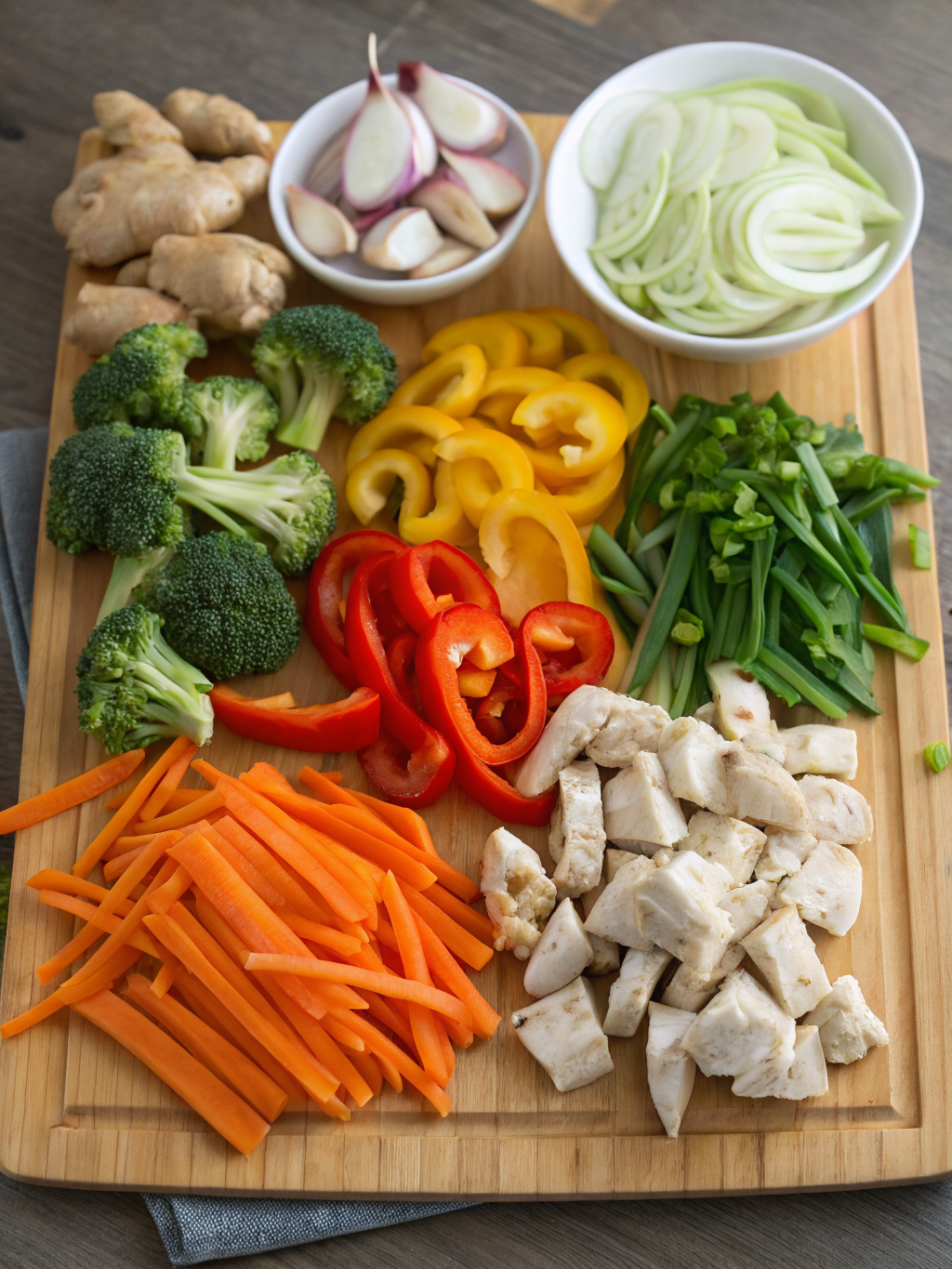
- 1.5 pounds boneless, skinless chicken breast, cut into bite-sized strips (or substitute ground turkey, shrimp, or tofu for vegetarian options)
- 2 tablespoons cornstarch
- 1 teaspoon salt and white pepper
For the Vegetables:
- 3 cups broccoli florets, cut into uniform, bite-sized pieces
- 1 red bell pepper, sliced into thin strips (adds vibrant color and natural sweetness)
- 1 cup snap peas or snow peas, strings removed
- 3 cloves garlic, minced finely
- 1 tablespoon fresh ginger, minced (adds warmth and distinct aromatic flavor)
- 2 green onions, sliced at an angle
For the Sauce:
- ¼ cup low-sodium soy sauce
- 2 tablespoons oyster sauce
- 1 tablespoon rice vinegar
- 1 tablespoon sesame oil
- ½ cup chicken broth
- 1 teaspoon cornstarch (thickens sauce beautifully)
- ¼ teaspoon red pepper flakes (optional, for heat)
For Cooking:
- 3 tablespoons vegetable oil (peanut oil works exceptionally well)
- Sesame seeds for garnish (optional)
Pro Tip: Substitute beef stir-fry by using flank steak or sirloin, sliced against the grain. For a healthier stir-fry, reduce oil to 2 tablespoons and use low-sodium soy sauce. Vegetarians can swap protein with extra-firm tofu or chickpeas.
Timing
Prep Time: 10 minutes – This includes washing vegetables, cutting protein into uniform pieces, mincing aromatics, and whisking together sauce components. Strategic prep work is the secret to achieving this quick weeknight dinner in 15 minutes total.
Cook Time: 5 minutes – The actual cooking happens quickly due to high-heat wok technique. Once ingredients hit the pan, constant movement prevents burning and ensures even cooking.
Total Time: 15 minutes – From start to plate. Compare this to 30-45 minutes for takeout delivery, and you’ll understand why homemade cooking wins on efficiency alone. Restaurant wait times often exceed 30 minutes before you even receive food.
Context: This timeframe assumes ingredients are prepped before cooking begins. The beauty of stir-frying is that it demands active attention for only 5 minutes, making it ideal for busy professionals and families with demanding schedules.
Step-by-Step Instructions
Step 1: Prepare Your Mise en Place
Before any cooking begins, arrange all ingredients within arm’s reach. This French culinary principle—”everything in its place”—is absolutely non-negotiable for successful stir-frying. Cut chicken into uniform 1-inch pieces, ensuring consistent cooking. Toss with cornstarch, salt, and white pepper. Slice vegetables into similar-sized pieces so everything cooks evenly. Mince garlic and ginger separately. Whisk sauce ingredients together in a small bowl. This prep work takes about 10 minutes and is why you’ll achieve a 15-minute stir-fry rather than rushing through a 30-minute process.
Step 2: Heat Your Wok or Large Skillet
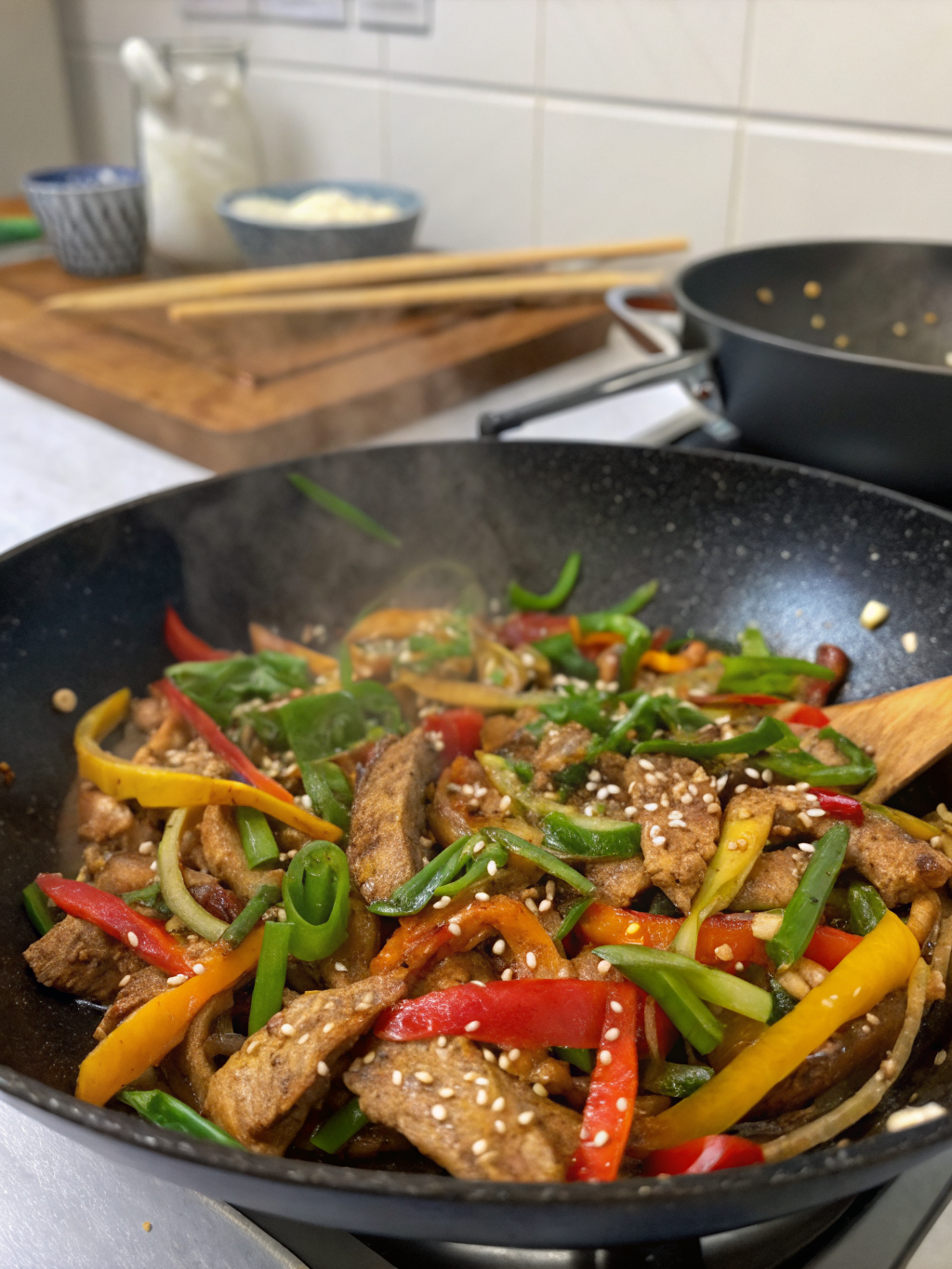
Place your wok or large 12-inch skillet over high heat for 1-2 minutes until it’s smoking lightly. This critical step ensures your protein sears properly rather than steaming. You’ll know it’s ready when a drop of water immediately sizzles and evaporates. The high heat is what creates those coveted caramelized edges and locks in juices.
Step 3: Cook the Protein
Add 1 tablespoon oil to the hot wok. Once shimmering, add chicken pieces in a single layer. Don’t stir for 2-3 minutes—let them sear and develop a golden crust. This creates flavor through the Maillard reaction. Then stir-fry for another 2-3 minutes until cooked through (internal temperature reaches 165°F). Transfer to a clean plate. The residual heat will continue cooking slightly, so don’t wait for absolute doneness.
Step 4: Cook Harder Vegetables First
Add 1 tablespoon oil to the wok. Add broccoli and bell peppers—these require more time than softer vegetables. Stir-fry for 3-4 minutes until they’re vibrant and slightly tender-crisp. Add snap peas in the final minute. The goal is crisp-tender texture, not mushy vegetables.
Step 5: Add Aromatics and Seasonings
Push vegetables to the wok’s sides. Add remaining ½ tablespoon oil to the center. Add minced garlic and ginger, stirring constantly for 30 seconds until fragrant. This blooming technique releases essential oils and develops deep, complex flavors. Be careful not to burn these delicate ingredients—the residual heat is often sufficient.
Step 6: Combine and Finish
Return chicken to the wok. Pour in the prepared sauce and stir constantly for 1-2 minutes until the sauce thickens and coats everything beautifully. The cornstarch creates a glossy, professional appearance. Add green onions and sesame seeds if desired. Taste and adjust seasoning with additional soy sauce or vinegar as needed.
Nutritional Information
Per Serving (based on 4 servings):
- Calories: 285
- Protein: 38g
- Carbohydrates: 12g
- Dietary Fiber: 2g
- Fat: 9g (including 2g saturated fat)
- Sodium: 680mg
- Iron: 1.8mg (12% daily value)
- Vitamin C: 95mg (158% daily value)
- Calcium: 45mg
This healthy stir-fry delivers exceptional nutritional density. The high protein content supports muscle maintenance, while vegetables provide fiber, vitamins, and phytonutrients. The anti-inflammatory properties of ginger and garlic make this more than just a quick weeknight dinner—it’s genuine health-conscious eating.
Healthier Alternatives for the Recipe
Lower Sodium Option: Reduce soy sauce to 3 tablespoons and use low-sodium varieties. Add 1 tablespoon rice wine for depth. This reduces sodium to approximately 420mg per serving.
Lower Calorie Variation: Use cooking spray instead of oil, reducing fat to 4g per serving. Toast sesame oil first (2 teaspoons) for concentrated flavor. This brings calories to approximately 220 per serving.
Vegetarian/Vegan Stir-Fry: Substitute chicken with firm tofu, chickpeas, or tempeh. Replace oyster sauce with mushroom-based sauce or additional soy sauce. The cooking technique remains identical.
Keto-Friendly Version: Omit cornstarch from the protein coating and sauce. Add cauliflower rice instead of serving over regular rice. The macronutrient profile shifts to higher fat content with minimal carbs.
Gluten-Free Adaptation: Use tamari instead of soy sauce and ensure oyster sauce is certified gluten-free. Most other ingredients are naturally gluten-free.
Serving Suggestions
Over Rice: Serve over jasmine rice, brown rice, or cauliflower rice for texture contrast. White rice pairs perfectly with the savory sauce, while brown rice adds nutty complexity and additional fiber.
With Noodles: Pour over lo mein, rice noodles, or egg noodles. The sauce clings beautifully to noodles, creating satisfying, restaurant-quality presentation.
In Lettuce Wraps: Serve the stir-fry mixture in butter lettuce or romaine leaves for a low-carb, interactive dining experience. Guests can customize wraps with additional sauce and toppings.
With Soup: Pair with a simple clear broth or miso soup for an elegant, multi-component meal that feels restaurant-quality.
Appetizer Format: Serve in cucumber slices or wonton cups as elegant appetizers for entertaining.
Common Mistakes to Avoid
Overcrowding the Wok: Adding too much food at once drops temperature dramatically, causing steaming rather than searing. Cook in batches if necessary. This is the #1 mistake that ruins homemade stir-fry attempts.
Cutting Ingredients to Different Sizes: Uneven pieces cook inconsistently. Aim for uniform 1-inch pieces throughout. This requires slightly more prep time but guarantees professional results.
Using Low Heat: Stir-frying demands high heat. Low-temperature cooking produces soggy, steamed vegetables rather than crisp-tender, caramelized perfection.
Not Prepping Ahead: Starting to chop vegetables after the wok is hot guarantees rushed, uneven cooking. Complete all prep work first, then begin cooking.
Overcooking Vegetables: Stop cooking when vegetables are still slightly crunchy. They’ll continue softening slightly from residual heat. Mushy vegetables are the fastest way to disappoint dinner guests.
Skipping the Protein Sear: Letting chicken sit undisturbed for 2-3 minutes creates those restaurant-style caramelized edges. This step separates amateur from professional results.
Storing Tips for the Recipe
Refrigeration: Store leftover stir-fry in airtight containers for up to 3 days. The flavors often improve as they meld overnight. Reheat gently in the wok or microwave, adding a splash of water if the sauce has thickened excessively.
Freezing: This recipe freezes well for up to 2 months. Freeze in individual portions for convenient grab-and-go lunches. Thaw overnight in the refrigerator before reheating. Quality remains excellent, making this an ideal meal-prep option.
Make-Ahead Sauce: Prepare the sauce 2-3 days in advance, storing in the refrigerator. This allows you to execute a 10-minute total-time meal on busy weeknights. Simply have vegetables prepped, and you’re ready to cook in minutes.
Protein Prep: Cut and season chicken up to 8 hours ahead. Store covered in the refrigerator, then cook fresh when ready. This separation of prep and cooking maximizes freshness and flavor.
Not Recommended to Freeze Raw: Don’t freeze the raw protein-cornstarch mixture, as texture becomes compromised. Cook first, then freeze finished product.
Conclusion
The 15-minute stir-fry represents the intersection of convenience, nutrition, and culinary excellence. You’ve now discovered that restaurant-quality meals don’t require restaurant prices, delivery wait times, or compromise on ingredients. This easy stir-fry recipe proves that quick weeknight dinners can be genuinely healthy and absolutely delicious.
The technique you’ve learned transcends this single recipe. Master these wok recipes fundamentals, and you’ll confidently prepare countless variations—different proteins, seasonal vegetables, diverse sauces. The principles remain constant: high heat, strategic prep work, constant motion, and properly sequenced cooking.
Ready to transform your weeknight dinners? Try this 15-minute stir-fry tonight. Prepare your ingredients, fire up the wok, and discover why homemade cooking consistently beats takeout. Share your results in the comments below—I’d love to hear which protein variation became your family favorite. Don’t forget to pin this recipe for future reference and subscribe for more quick, healthy dinner solutions that respect both your time and your health.
FAQs
Can I make this stir-fry without a wok?
Absolutely. A large 12-inch skillet works wonderfully. While a wok’s curved design provides some advantages for heat distribution and tosing, any large, deep pan suffices. Cast iron skillets are particularly excellent for stir-frying, providing superior heat retention.
What’s the best oil for stir-frying?
Peanut oil is ideal due to its high smoke point (450°F) and neutral flavor. Vegetable oil, canola oil, or avocado oil work well. Avoid olive oil and coconut oil, which burn at lower temperatures.
How do I prevent my stir-fry from being watery?
Don’t overcrowd the wok, which drops temperature and causes steaming. Pat vegetables dry before cooking. Ensure sauce has cornstarch to thicken properly. Cook vegetables in proper sequence—harder vegetables first, softer last.
Can I substitute the oyster sauce?
Yes. Use hoisin sauce, additional soy sauce, or mushroom sauce as substitutes. Each provides different flavor profiles but maintains authentic stir-fry character. Vegetarians should confirm oyster sauce ingredients, as many traditional recipes include shellfish.
How do I know when my stir-fry is done?
Chicken should reach 165°F internal temperature. Vegetables should be vibrant colored and slightly tender-crisp, not mushy. Sauce should coat ingredients glossily. The entire process happens quickly—typically 5 minutes total cooking.
Can I prep ingredients the night before?
Yes. Cut vegetables and store in airtight containers for up to 24 hours. Prepare sauce completely and refrigerate. This transforms the cooking process into a 10-minute affair, making it genuinely quick weeknight dinner material for even busier evenings.