Healthy Turkey Burgers with Tzatziki in 30 Minutes
Table of Contents
Introduction
Did you know that switching from beef to turkey burgers can reduce your saturated fat intake by up to 50% while delivering the same satisfying, juicy burger experience? If you’re searching for a lighter alternative that doesn’t compromise on flavor, healthy turkey burgers topped with homemade tzatziki sauce are your answer. These Greek-inspired beauties combine lean ground turkey with Mediterranean herbs and spices, creating a weeknight burger recipe that’s both nutritious and incredibly delicious. In just 30 minutes, you’ll have golden-grilled patties crowned with cool, creamy tzatziki—perfect for busy families craving quick grilled burgers without the guilt. According to recent nutrition data, healthy turkey burgers provide an excellent source of lean protein while keeping calories in check, making them ideal for light summer grilling sessions or anyone following a health-conscious lifestyle.
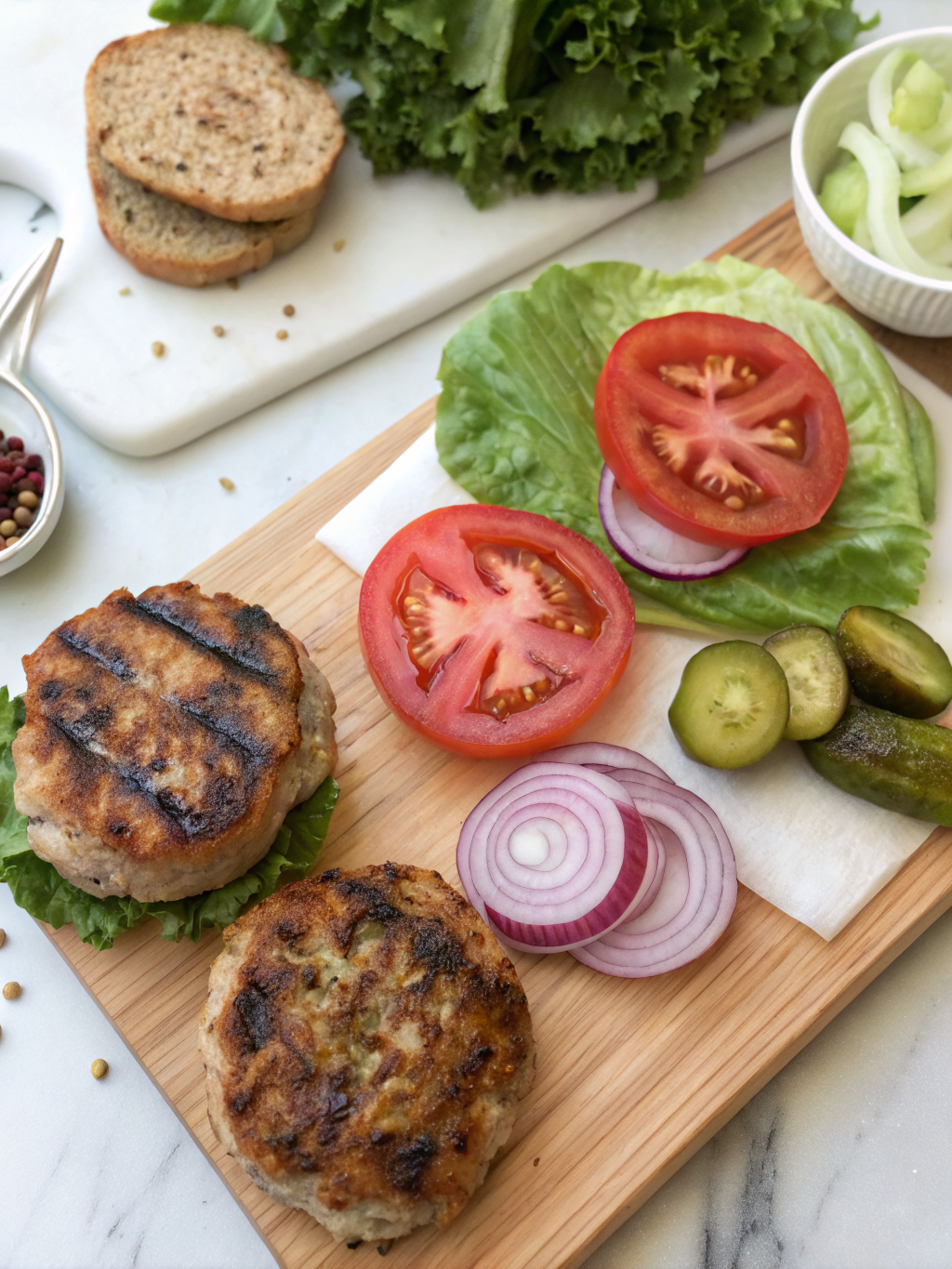
Ingredients List
For the Turkey Burgers:
- 1.5 pounds lean ground turkey (93% lean recommended for best flavor and moisture)
- 3 cloves garlic, minced finely
- 2 tablespoons fresh oregano, chopped (or 2 teaspoons dried oregano)
- 1 teaspoon ground cumin
- 1 teaspoon smoked paprika
- ½ teaspoon sea salt
- ¼ teaspoon freshly ground black pepper
- 1 tablespoon extra virgin olive oil
- Zest of 1 lemon
For the Homemade Tzatziki Sauce:
- 1 cup Greek yogurt (full-fat or 2% for creamiest texture)
- 1 medium cucumber, grated and squeezed dry
- 2 cloves garlic, minced
- 2 tablespoons fresh dill, chopped
- 1 tablespoon fresh lemon juice
- 1 tablespoon extra virgin olive oil
- ¼ teaspoon sea salt
- Pinch of white pepper
For Assembly:
- 4 whole wheat burger buns (or lettuce wraps for low-carb option)
- Fresh tomato slices
- Red onion, thinly sliced
- Crisp romaine or butter lettuce leaves
- Optional: crumbled feta cheese
Substitution Suggestions:
- Replace ground turkey with ground chicken for similar results
- Swap Greek yogurt with dairy-free coconut yogurt for a vegan tzatziki
- Use gluten-free buns or portobello mushroom caps as bun alternatives
- Substitute fresh herbs with dried versions (use one-third the amount)
Timing
Preparation Time: 15 minutes
Cooking Time: 12-15 minutes
Total Time: 27-30 minutes
This easy turkey burger recipe clocks in at approximately 30% faster than traditional beef burger recipes, which typically require 40-45 minutes from start to finish. The quick cooking time makes these healthy turkey burgers perfect for weeknight dinners when time is precious but nutrition remains a priority.
Step-by-Step Instructions
Step 1: Prepare the Tzatziki Sauce
Start by making your homemade tzatziki sauce since it benefits from a few minutes of resting time to allow flavors to meld. Grate the cucumber using a box grater, then wrap the shredded cucumber in a clean kitchen towel or cheesecloth and squeeze firmly over the sink to remove excess moisture—this crucial step prevents watery tzatziki. In a medium bowl, combine the Greek yogurt, squeezed cucumber, minced garlic, chopped dill, lemon juice, olive oil, salt, and white pepper. Stir thoroughly until all ingredients are evenly distributed. Cover and refrigerate while you prepare the burgers, allowing the garlic and herbs to infuse the yogurt with their aromatic flavors.
Step 2: Mix the Turkey Burger Patties
In a large mixing bowl, combine the ground turkey, minced garlic, oregano, cumin, smoked paprika, salt, pepper, olive oil, and lemon zest. Using your hands (the best tool for burger mixing), gently incorporate all ingredients until just combined—avoid overmixing, which can result in dense, tough patties. The mixture should feel moist but hold together easily when formed into balls. The addition of olive oil and lemon zest ensures your healthy turkey burgers stay juicy and flavorful during cooking, compensating for turkey’s naturally leaner profile compared to beef.
Step 3: Form the Patties
Divide the turkey mixture into four equal portions (approximately 6 ounces each). Roll each portion into a ball, then gently flatten into a patty about ¾-inch thick. Here’s a pro tip: create a small indentation in the center of each patty with your thumb—this prevents the burgers from puffing up into a dome shape during cooking, ensuring even thickness and uniform cooking throughout. Place the formed patties on a plate and let them rest at room temperature for 5 minutes while you preheat your grill or pan.
Step 4: Preheat Your Cooking Surface
For outdoor grilling enthusiasts, preheat your gas or charcoal grill to medium-high heat (approximately 375-400°F). If cooking indoors, heat a grill pan or cast-iron skillet over medium-high heat for 3-4 minutes until very hot. Lightly oil the grill grates or pan with a paper towel dipped in vegetable oil to prevent sticking—this simple step makes a significant difference in achieving those beautiful grill marks without the patties tearing apart.
Step 5: Grill the Turkey Burgers
Place the turkey patties on the preheated grill or pan, being careful not to overcrowd them. Cook undisturbed for 5-6 minutes on the first side—resist the temptation to press down on the burgers, which squeezes out precious juices. Flip the patties carefully using a wide spatula and cook for an additional 5-6 minutes on the second side. Turkey burgers are safely cooked when they reach an internal temperature of 165°F, measured with an instant-read thermometer inserted into the thickest part of the patty. The exterior should be golden brown with attractive grill marks, while the interior remains moist and tender.
Step 6: Toast the Buns
During the last 2 minutes of burger cooking time, place your burger buns cut-side-down on the grill or in the pan. Toast until lightly golden and slightly crispy—this adds textural contrast and prevents the buns from becoming soggy when dressed with tzatziki and burger juices.
Step 7: Assemble Your Greek Turkey Burgers
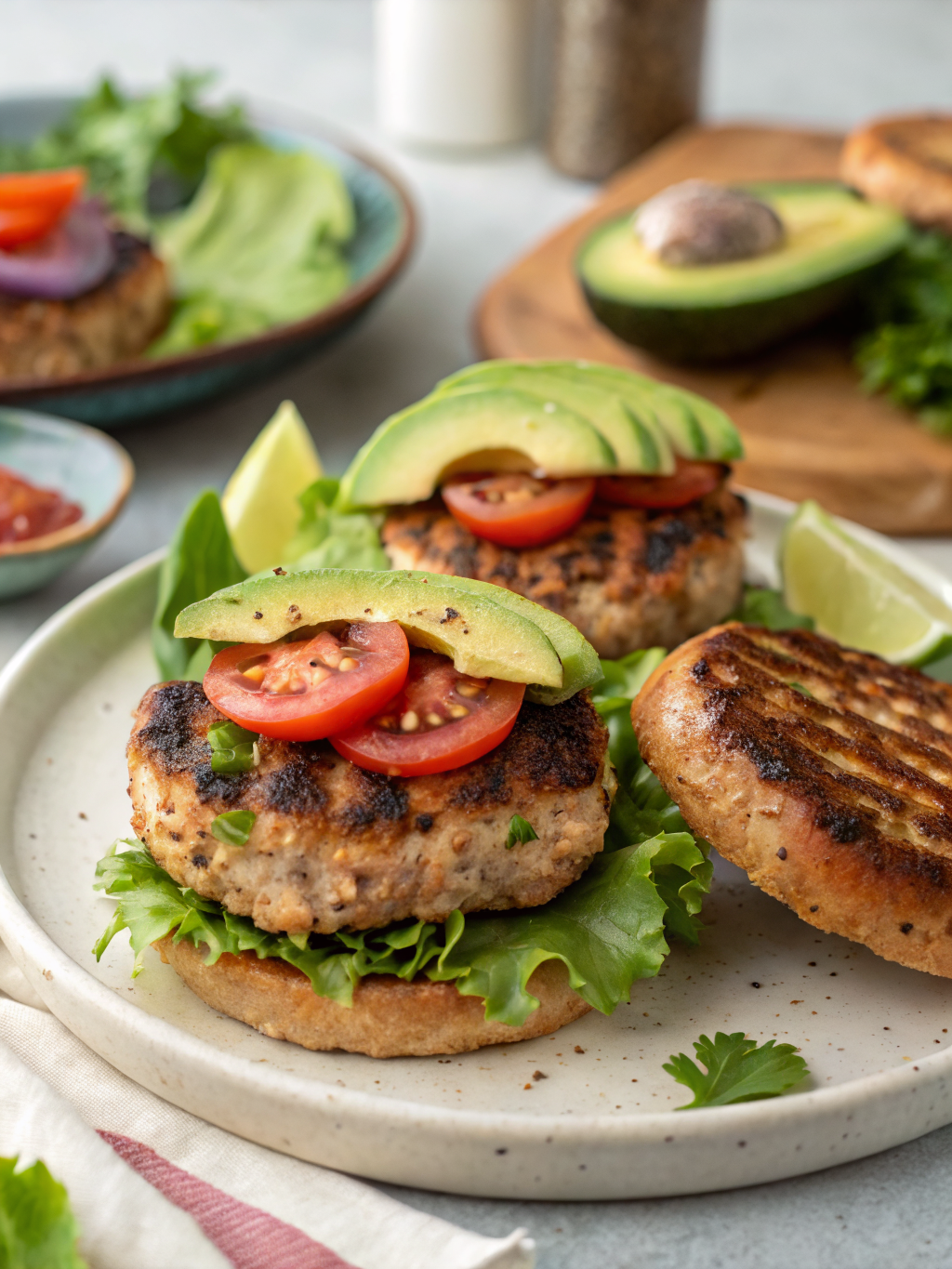
Place each cooked turkey patty on the bottom half of a toasted bun. Generously slather tzatziki sauce over the burger (about 2-3 tablespoons per burger), then layer with fresh tomato slices, red onion rings, and crisp lettuce. If desired, sprinkle crumbled feta cheese over the tzatziki for an extra hit of Greek flavor. Crown with the top bun and serve immediately while the burgers are hot and the tzatziki is cool—this temperature contrast creates a delightful eating experience.
Nutritional Information
Per Serving (1 burger with tzatziki and whole wheat bun):
- Calories: 385
- Total Fat: 14g (18% DV)
- Saturated Fat: 3.5g (18% DV)
- Cholesterol: 95mg (32% DV)
- Sodium: 580mg (25% DV)
- Total Carbohydrates: 28g (10% DV)
- Dietary Fiber: 4g (14% DV)
- Sugars: 6g
- Protein: 38g (76% DV)
- Vitamin A: 12% DV
- Vitamin C: 15% DV
- Calcium: 20% DV
- Iron: 18% DV
These healthy turkey burgers deliver an impressive 38 grams of protein per serving while maintaining a reasonable calorie count—approximately 30-35% fewer calories than traditional beef burgers with cheese and mayonnaise-based sauces. The Greek yogurt in the tzatziki contributes probiotics for digestive health, while the lean turkey provides essential amino acids for muscle maintenance and recovery.
Healthier Alternatives for the Recipe
Lower Calorie Option: Use lettuce wraps instead of buns to reduce carbohydrates by 25g and calories by approximately 120 per serving. Large butter lettuce or iceberg lettuce leaves work beautifully as wrap alternatives.
Increased Fiber: Substitute whole wheat buns with sprouted grain buns or add 2 tablespoons of ground flaxseed to the turkey mixture for an omega-3 boost and additional 4g of fiber per serving.
Dairy-Free Adaptation: Replace Greek yogurt with unsweetened coconut yogurt or cashew-based yogurt in the tzatziki. While the flavor profile shifts slightly, the cooling effect remains intact.
Lower Sodium Version: Reduce added salt to ¼ teaspoon in both the burgers and tzatziki, relying instead on fresh herbs, lemon juice, and spices for flavor. This modification can reduce sodium content by approximately 200mg per serving.
Vegetable-Packed Variation: Mix ½ cup finely grated zucchini or finely chopped spinach into the turkey mixture for added moisture, vitamins, and an extra serving of vegetables. Squeeze excess moisture from zucchini before adding.
Mediterranean Boost: Add 2 tablespoons of finely chopped kalamata olives and 1 tablespoon of sun-dried tomatoes to the turkey mixture for intensified Mediterranean flavor without significant calorie additions.
Serving Suggestions
These Greek turkey burgers shine brightest when paired with Mediterranean-inspired sides that complement their bright, herbaceous flavors:
Classic Greek Pairing: Serve alongside a traditional Greek salad featuring cucumbers, tomatoes, red onions, kalamata olives, and feta cheese dressed with olive oil and red wine vinegar. Add warm pita triangles brushed with olive oil and sprinkled with za’atar.
Light Summer Spread: Pair with oven-baked sweet potato fries seasoned with paprika and a squeeze of lemon, plus a refreshing watermelon and mint salad for a complete light summer grilling menu.
Grain Bowl Transformation: Deconstruct the burger and serve the patty over a base of quinoa or brown rice with the tzatziki drizzled on top, surrounded by roasted vegetables like zucchini, bell peppers, and eggplant.
Appetizer Adaptation: Form the turkey mixture into smaller slider-sized patties (12 instead of 4) for party-friendly 30 minute turkey burgers that guests can enjoy in 2-3 bites. Serve on mini buns or cucumber rounds for an elegant, low-carb presentation.
Kid-Friendly Version: Serve the burgers with baked zucchini fries and a simple cucumber and tomato salad. Many children enjoy the mild flavor of turkey and the creamy tzatziki acts as a “special sauce” that makes vegetables more appealing.
Meal Prep Strategy: Prepare extra patties and store uncooked in the refrigerator for quick weeknight burger recipes throughout the week, or freeze for up to 3 months for ultimate convenience.
Common Mistakes to Avoid
Mistake #1: Buying Turkey That’s Too Lean
While 99% fat-free turkey sounds healthier, it results in dry, flavorless burgers. Ground turkey with 93% lean/7% fat content strikes the perfect balance between health and moisture, ensuring your healthy turkey burgers remain juicy and satisfying.
Mistake #2: Overmixing the Meat
Aggressive mixing develops the proteins excessively, creating a dense, sausage-like texture rather than a tender burger. Mix just until ingredients are incorporated—about 30 seconds of gentle handling is sufficient.
Mistake #3: Skipping the Cucumber Squeeze
Failing to remove excess moisture from grated cucumber results in watery, runny tzatziki that slides off burgers and soaks into buns. Take the extra 30 seconds to squeeze thoroughly—your taste buds will thank you.
Mistake #4: Pressing Down on Burgers While Cooking
This common grilling mistake forces flavorful juices out of the patties, leaving them dry. Let the burgers cook undisturbed, flipping only once for best results.
Mistake #5: Not Using a Meat Thermometer
Guessing doneness leads to either undercooked (unsafe) or overcooked (dry) turkey burgers. Invest in an instant-read thermometer and cook to exactly 165°F for food safety and optimal texture.
Mistake #6: Making Patties Too Thick
Turkey burgers thicker than ¾-inch have difficulty cooking through without burning on the outside. Thinner patties cook more evenly in the quick timeframe needed for 30 minute turkey burgers.
Mistake #7: Assembling Immediately After Cooking
Allow burgers to rest for 2-3 minutes after cooking before assembling. This brief rest period allows juices to redistribute throughout the patty, preventing them from running out when you take that first bite.
Storing Tips for the Recipe
Refrigerating Cooked Burgers:
Store cooked turkey burgers in an airtight container in the refrigerator for up to 4 days. Place parchment paper between patties to prevent sticking. Reheat gently in a covered skillet over medium-low heat with a splash of water or chicken broth to restore moisture, or microwave on 50% power in 30-second intervals.
Freezing Cooked Burgers:
Wrap individual cooked patties tightly in plastic wrap, then place in a freezer-safe bag or container. Properly wrapped burgers maintain quality for up to 3 months. Thaw overnight in the refrigerator before reheating.
Freezing Uncooked Patties:
This is my preferred method for meal prep! Place formed, uncooked patties on a parchment-lined baking sheet and freeze until solid (about 2 hours). Transfer frozen patties to a freezer bag, separating layers with parchment paper. Freeze for up to 3 months. Cook from frozen, adding 3-4 minutes to the cooking time, or thaw in the refrigerator overnight before grilling.
Storing Tzatziki Sauce:
Transfer homemade tzatziki to an airtight container and refrigerate for up to 5 days. The flavors actually improve after 24 hours as the garlic and herbs infuse the yogurt. Stir well before serving as some separation is natural. Do not freeze tzatziki, as the yogurt will separate and become grainy upon thawing.
Ingredient Prep Ahead:
Mix the dry spices for the burgers up to 1 month in advance and store in a small jar. Grate cucumber for tzatziki the night before, squeeze dry, and store in the refrigerator in a sealed container. Prepare the complete turkey burger mixture up to 24 hours ahead, keeping it covered in the refrigerator until ready to form and cook patties.
Bun Storage:
Keep whole wheat buns fresh by storing in a bread box at room temperature for 3-4 days, or freeze for up to 3 months. Toast frozen buns directly on the grill or in a toaster—no thawing necessary.
Conclusion
These healthy turkey burgers with homemade tzatziki prove that nutritious eating doesn’t require sacrificing flavor or spending hours in the kitchen. In just 30 minutes, you’ve created restaurant-quality Greek turkey burgers bursting with Mediterranean herbs, topped with cool, creamy sauce, and delivering an impressive 38 grams of protein per serving. Whether you’re meal prepping for busy weeknights, hosting a light summer grilling party, or simply seeking a healthier alternative to traditional burgers, this easy turkey burger recipe deserves a permanent spot in your weekly rotation. The versatility of these quick grilled burgers allows for endless customization—try different herb combinations, experiment with various toppings, or transform them into lettuce-wrapped beauties for your low-carb friends. Fire up that grill, whip up a batch of this simple homemade tzatziki sauce, and discover why thousands of home cooks have made these weeknight burger recipes their new family favorite. Don’t forget to share your creations on social media and tag us—we love seeing your delicious variations! Ready to explore more healthy grilling options? Check out our complete collection of 30-minute recipes that prove healthy eating can be quick, delicious, and incredibly satisfying.
FAQs
Q: Can I make these healthy turkey burgers on a stovetop instead of a grill?
A: Absolutely! Heat a grill pan or cast-iron skillet over medium-high heat, lightly oil the surface, and cook the patties following the same timing instructions—5-6 minutes per side until they reach 165°F internally. You’ll still achieve beautiful sear marks and delicious flavor.
Q: Why are my turkey burgers dry?
A: Dry turkey burgers typically result from using turkey that’s too lean (99% fat-free), overcooking past 165°F, or overmixing the meat. Choose 93% lean turkey, add olive oil to the mixture for moisture, avoid pressing down while cooking, and use a meat thermometer for perfect doneness every time.
Q: Can I prepare the tzatziki sauce in advance?
A: Yes! Tzatziki actually tastes better after the flavors have time to meld. Prepare it up to 5 days ahead and store covered in the refrigerator. Just give it a good stir before serving as some liquid separation is natural.
Q: Are turkey burgers healthier than beef burgers?
A: Generally yes—lean ground turkey contains approximately 50% less saturated fat than regular ground beef while providing similar protein content. Turkey burgers typically have 100-150 fewer calories per serving compared to traditional beef burgers, making them an excellent choice for health-conscious eaters.
Q: Can I freeze the uncooked turkey burger patties?
A: Definitely! Form the patties, freeze them on a baking sheet until solid, then transfer to a freezer bag with parchment paper between layers. They’ll keep for up to 3 months and can be cooked from frozen by adding 3-4 extra minutes to the cooking time.
Q: What can I substitute for Greek yogurt in the tzatziki?
A: For dairy-free options, use unsweetened coconut yogurt or cashew-based yogurt. Regular sour cream also works but changes the flavor profile slightly. For the creamiest results, choose full-fat versions of whatever base you select.
Q: How do I know when turkey burgers are fully cooked?
A: The only reliable method is using an instant-read meat thermometer inserted into the thickest part of the patty. Turkey must reach 165°F for food safety. Visual cues alone are unreliable, as turkey can remain pink even when fully cooked due to various factors.
Q: Can I use ground chicken instead of turkey?
A: Yes! Ground chicken works beautifully as a substitute with nearly identical cooking times and nutritional profiles. The flavor is slightly milder, but all the Mediterranean seasonings and tzatziki will shine through just as deliciously.
Q: What sides pair best with these Greek turkey burgers?
A: Mediterranean-inspired sides work wonderfully—try Greek salad, roasted vegetables, sweet potato fries, quinoa tabbouleh, or a simple cucumber-tomato salad. For lighter options, serve with grilled zucchini or a mixed green salad with lemon vinaigrette.
Q: How can I add more flavor to the turkey burgers?
A: Incorporate finely chopped kalamata olives, sun-dried tomatoes, or crumbled feta directly into the turkey mixture. You can also add a teaspoon of Dijon mustard or a tablespoon of Worcestershire sauce for deeper umami flavors without significantly altering the Mediterranean profile.