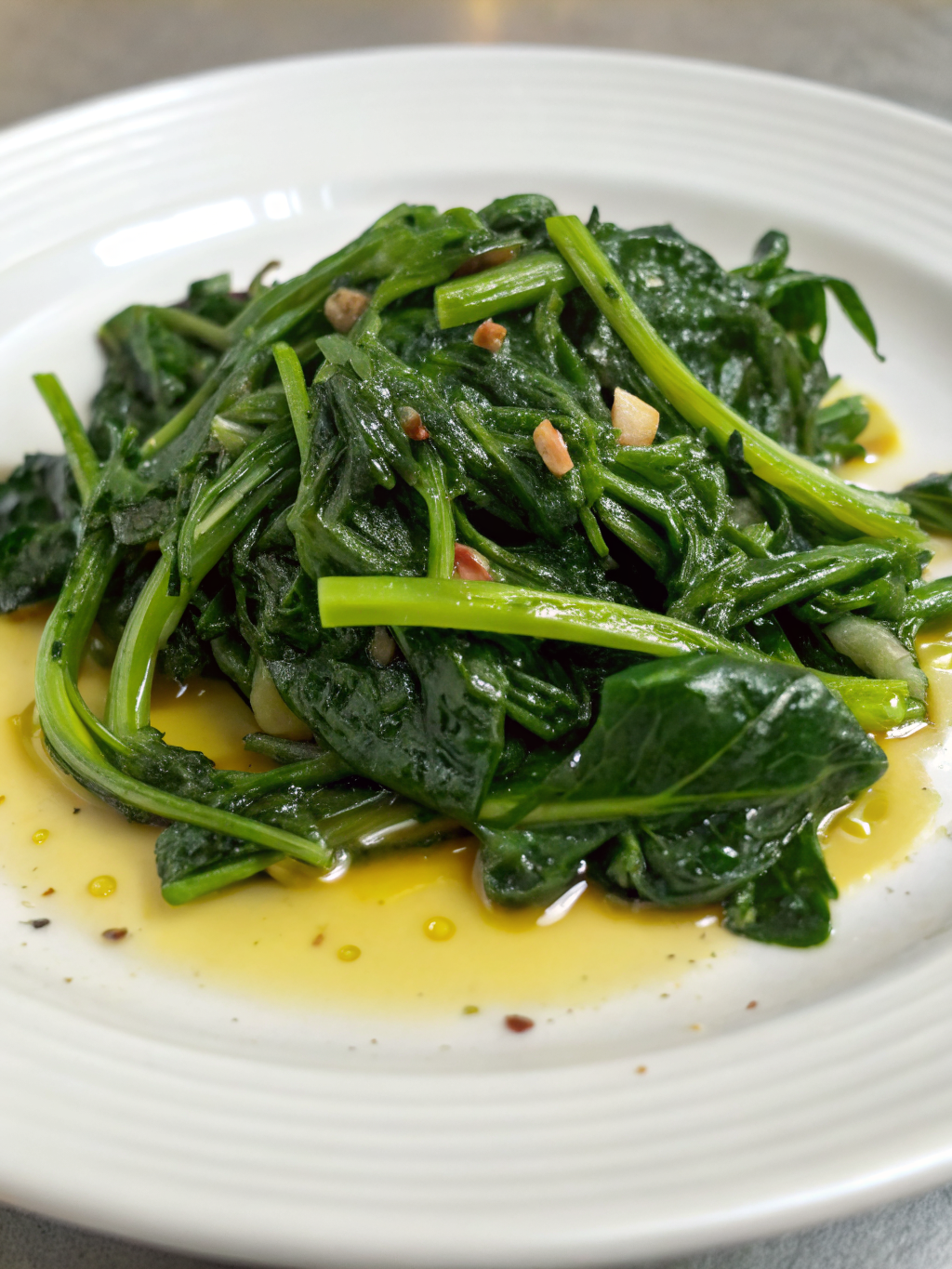
Easy Italian Sautéed Dandelion Greens (20 Minutes!)
Table of Contents
Introduction
Did you know that dandelion greens contain 535% of your daily vitamin K requirement per 100g serving, making them one of the most nutrient-dense vegetables available? If you’ve been overlooking these powerful greens at your local farmers market or even in your backyard, you’re missing out on a traditional Italian delicacy that transforms bitter leaves into a mouthwatering side dish in just 20 minutes. This sautéed dandelion greens recipe brings authentic Italian flavors to your table with minimal effort and maximum nutritional benefits. Whether you’re exploring foraged ingredients or simply want to expand your vegetable repertoire, this easy Italian dandelion greens recipe delivers restaurant-quality results with ingredients you likely already have in your pantry. The combination of garlic, olive oil, and a touch of red pepper flakes creates a perfect balance that tames the natural bitterness while highlighting the greens’ earthy, complex flavor profile.
Ingredients List
For the Sautéed Dandelion Greens:
- 1 pound fresh dandelion greens, thoroughly washed and trimmed
- 3 tablespoons extra virgin olive oil (substitute: avocado oil for higher smoke point)
- 4-5 cloves garlic, thinly sliced (substitute: 1 teaspoon garlic powder if fresh isn’t available)
- 1/4 teaspoon red pepper flakes (adjust to taste, or omit for mild version)
- 1/2 cup vegetable or chicken broth (substitute: water with a pinch of salt)
- 2 tablespoons freshly squeezed lemon juice (substitute: white wine vinegar)
- Salt and freshly ground black pepper to taste
- Optional: Parmesan cheese shavings for garnish
Ingredient Notes:
The vibrant, deep green leaves should feel crisp and fresh when you select them. If dandelion greens aren’t available, substitute with escarole, broccoli rabe, or mustard greens for similar results. The quality of your olive oil matters significantly here—choose a fruity, robust variety that can stand up to the assertive flavors of the greens.
Timing
Preparation Time: 8 minutes
Cooking Time: 12 minutes
Total Time: 20 minutes
This quick bitter greens recipe takes approximately 35% less time than traditional braised greens recipes while delivering equally impressive flavor. The rapid cooking method preserves more nutrients compared to longer cooking techniques, giving you a 20-minute side dish that’s both convenient and health-conscious.
Step-by-Step Instructions
Step 1: Prepare the Dandelion Greens
Thoroughly wash the dandelion greens under cold running water, paying special attention to the base of the stems where dirt tends to accumulate. Trim off any tough stem ends (usually the bottom 1-2 inches). Roughly chop the greens into 3-4 inch pieces, separating the thicker stems from the leafier tops. Pat them dry with a clean kitchen towel or use a salad spinner—excess water can cause dangerous oil splattering during cooking.
Step 2: Blanch the Greens (Optional but Recommended)
For those sensitive to bitter flavors, bring a large pot of salted water to a rolling boil. Add the dandelion greens and blanch for 2-3 minutes. This quick blanching removes approximately 40-50% of the bitter compounds. Drain immediately and plunge into ice water to stop the cooking process, then drain again thoroughly. If you enjoy bold, assertive flavors, skip this step entirely.
Step 3: Sauté the Aromatics
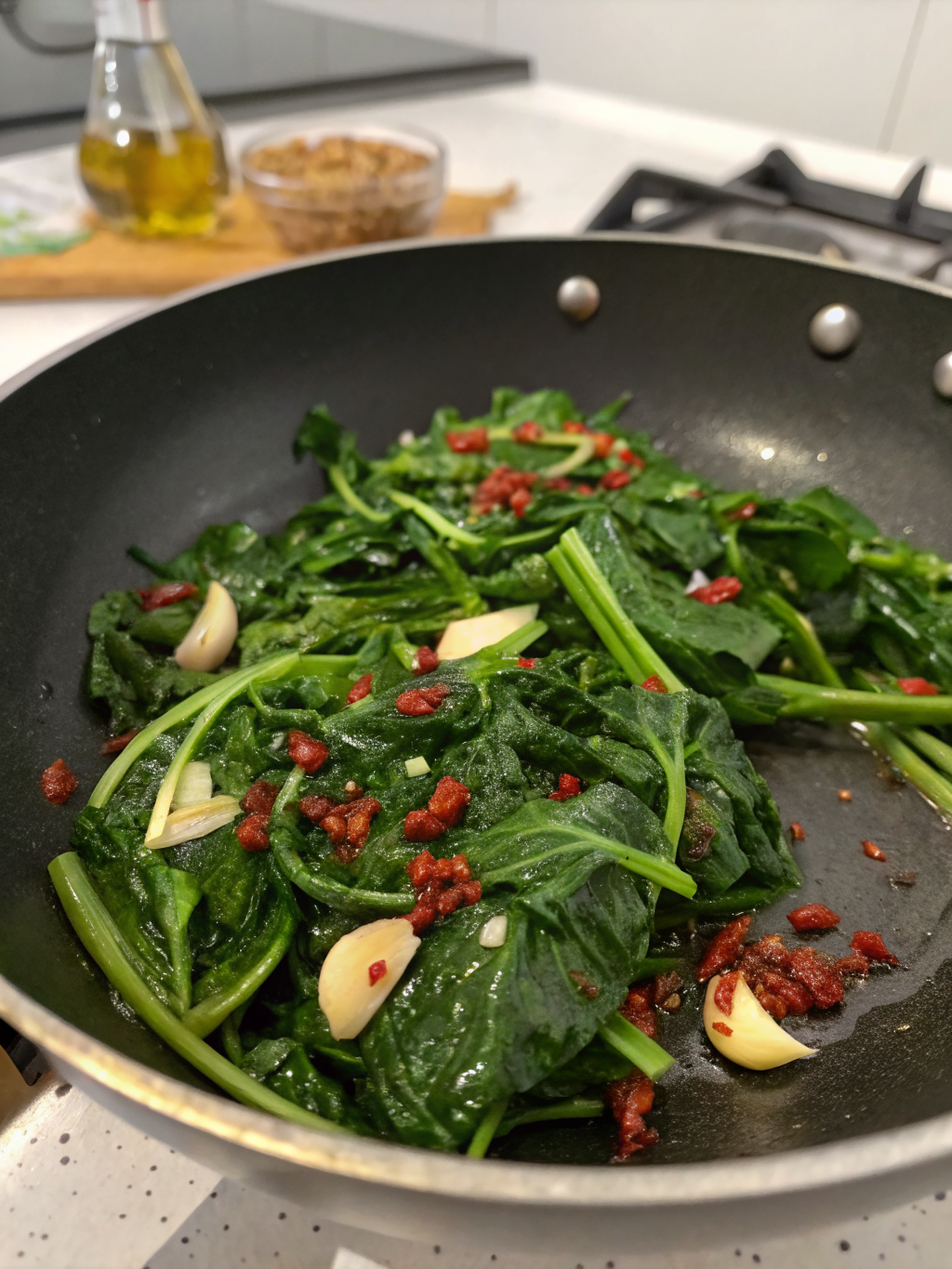
Heat the extra virgin olive oil in a large, deep skillet or sauté pan over medium heat. Add the thinly sliced garlic and red pepper flakes, stirring constantly for 45-60 seconds until the garlic becomes fragrant and just begins to turn golden at the edges. Watch carefully—burned garlic turns acrid and bitter, ruining the dish’s flavor profile.
Step 4: Add the Greens
Increase heat to medium-high and add the dandelion greens to the pan (they’ll seem like an enormous amount but will wilt dramatically). If you blanched them, add them all at once. If using raw greens, add them in batches, allowing each addition to wilt slightly before adding more. Toss continuously using tongs for even cooking.
Step 5: Deglaze and Simmer
Pour in the broth and fresh lemon juice, using a wooden spoon to scrape up any flavorful browned bits from the pan bottom. Season with salt and freshly ground black pepper. Reduce heat to medium-low, cover, and let the sautéed dandelion greens simmer for 5-7 minutes until tender but still maintaining some texture.
Step 6: Final Seasoning and Serving
Remove the lid and continue cooking for another 2-3 minutes to allow excess liquid to evaporate, concentrating the flavors. Taste and adjust seasoning as needed. Transfer to a serving platter and drizzle with any remaining pan juices. Garnish with Parmesan shavings if desired.
Nutritional Information
Per Serving (serves 4):
- Calories: 115
- Total Fat: 10.5g (14% DV)
- Saturated Fat: 1.5g
- Cholesterol: 0mg
- Sodium: 180mg (8% DV)
- Total Carbohydrates: 5g (2% DV)
- Dietary Fiber: 2.5g (9% DV)
- Sugars: 1g
- Protein: 2g
- Vitamin A: 112% DV
- Vitamin C: 32% DV
- Vitamin K: 535% DV
- Calcium: 10% DV
- Iron: 15% DV
- Potassium: 218mg (5% DV)
Dandelion greens rank among the top 10 most nutrient-dense vegetables according to USDA data, providing exceptional amounts of fat-soluble vitamins with minimal calories. This makes them an excellent choice for those seeking healthy leafy greens that deliver maximum nutritional impact.
Healthier Alternatives for the Recipe
Lower Calorie Option: Reduce olive oil to 1.5 tablespoons and use a non-stick pan, cutting approximately 63 calories per serving while maintaining flavor through the garlic and lemon juice.
Heart-Healthy Boost: Add 2 tablespoons of toasted pine nuts or chopped walnuts for omega-3 fatty acids and added texture, increasing protein content by 3g per serving.
Anti-Inflammatory Version: Include 1 teaspoon of freshly grated turmeric and 1/4 teaspoon of black pepper (which increases turmeric absorption by 2000%) for enhanced anti-inflammatory properties.
Protein-Packed Variation: Toss in 1/2 cup of cooked white beans or chickpeas during the final simmer, transforming this side into a complete vegetarian main dish with 8g additional protein per serving.
Lower Sodium Option: Use low-sodium broth and skip added salt, relying instead on the natural flavors of garlic, lemon, and pepper—reducing sodium to approximately 45mg per serving.
Serving Suggestions
These Italian vegetable sides pair beautifully with grilled Italian sausages, creating a classic combination that balances rich meat with nutrient-dense greens. For a vegetarian feast, serve alongside creamy polenta or risotto—the bitter greens cut through the richness perfectly.
Create an authentic Italian dinner by pairing with pan-seared chicken piccata or herb-roasted pork tenderloin. The lemon notes in the greens complement citrus-based protein dishes exceptionally well.
For a light lunch, pile the warm sautéed greens onto crusty Italian bread rubbed with raw garlic, drizzle with extra olive oil, and top with fresh ricotta and a sprinkle of sea salt. This transforms simple greens into an impressive bruschetta that’s become increasingly popular in modern Italian cuisine.
Meal prep enthusiasts can use these greens as a nutrient-dense base for grain bowls, topped with roasted vegetables, quinoa, and a tahini dressing. The robust flavor profile stands up well to bold seasonings and diverse ingredients.
Common Mistakes to Avoid
Mistake #1: Not Washing Thoroughly Enough
Dandelion greens—especially foraged varieties—can harbor significant grit and sand. Wash them in at least two changes of cold water, swishing vigorously. According to food safety data, leafy greens account for 22% of foodborne illness outbreaks, primarily due to inadequate washing.
Mistake #2: Overcrowding the Pan
Adding too many greens at once to a small pan creates steam rather than a proper sauté, resulting in mushy, waterlogged greens. Use a large skillet (at least 12 inches) or cook in batches for optimal results.
Mistake #3: Burning the Garlic
Garlic burns quickly at high temperatures, turning bitter within seconds. Always sauté garlic over medium heat and add the greens promptly once it becomes aromatic.
Mistake #4: Skipping the Acid
The lemon juice isn’t just for flavor—the acidity brightens the dish and helps counterbalance the natural bitterness of the greens. Without it, the dish can taste flat and one-dimensional.
Mistake #5: Overcooking
While you want the greens tender, cooking beyond 12-15 minutes total results in an olive-drab color and mushy texture. Proper sautéed greens with garlic should retain some structure and vibrant green color.
Storing Tips for the Recipe
Refrigerator Storage:
Transfer cooled sautéed dandelion greens to an airtight container and refrigerate for up to 4 days. The flavors actually develop and mellow over time, making leftovers particularly delicious. Store the greens with their cooking liquid to maintain moisture.
Reheating Instructions:
Reheat gently in a skillet over medium-low heat with a tablespoon of water or broth to prevent drying out. Alternatively, microwave in 30-second intervals, stirring between each, until heated through (approximately 1-2 minutes total).
Freezing Guidelines:
While possible, freezing isn’t ideal for this preparation as the texture becomes softer upon thawing. If you must freeze, blanch fresh greens and freeze them before sautéing—they’ll maintain better quality for up to 3 months.
Raw Greens Storage:
Unwashed dandelion greens stored in a perforated plastic bag in your crisper drawer will keep for 4-5 days. Don’t wash until ready to use, as excess moisture accelerates decay.
Meal Prep Strategy:
Prepare the garlic oil mixture in advance and store separately. Blanch and chop the greens up to 2 days ahead. When ready to serve, simply combine and cook for 5 minutes—perfect for busy weeknight dinners.
Conclusion
This easy Italian dandelion greens recipe proves that healthy eating doesn’t require complicated techniques or extended cooking times. In just 20 minutes, you’ve created a nutritionally powerhouse side dish that delivers authentic Italian flavors and incredible health benefits. The combination of garlic-infused olive oil, a hint of heat from red pepper flakes, and bright lemon juice transforms humble dandelion greens into a sophisticated vegetable side that complements virtually any main course. Whether you’re foraging for these easy foraged greens in your backyard or picking them up at the farmers market, you now have the knowledge to prepare them perfectly every time.
Ready to embrace bitter greens and expand your culinary horizons? Try this recipe tonight and discover why Italian home cooks have treasured dandelion greens for generations. Share your results in the comments below—we’d love to hear how you customized this recipe to suit your taste preferences! For more quick vegetable sides and Italian-inspired recipes, explore our collection of 20-minute dishes that prove healthy cooking can be both simple and delicious.
FAQs
Q: Why are my dandelion greens so bitter?
A: Dandelion greens naturally contain bitter compounds called sesquiterpene lactones. Young, spring-harvested greens are milder than mature summer greens. To reduce bitterness, blanch them briefly before sautéing, or look for cultivated varieties at grocery stores, which are bred to be less bitter than wild dandelions.
Q: Can I use this recipe for other types of greens?
A: Absolutely! This preparation method works beauently with escarole, broccoli rabe, kale, collard greens, mustard greens, or Swiss chard. Adjust cooking times slightly—tender greens like spinach need only 3-4 minutes, while tougher greens like collards may need 15-18 minutes.
Q: Where can I find dandelion greens if I don’t want to forage?
A: Most well-stocked grocery stores, Italian markets, and farmers markets carry cultivated dandelion greens in the produce section, typically near other specialty greens. They’re most abundant in spring (March-May) and fall (September-October). Look for bunches with crisp, vibrant leaves without yellowing.
Q: Are dandelion greens from my lawn safe to eat?
A: Only harvest dandelions from lawns that haven’t been treated with pesticides, herbicides, or fertilizers for at least 3 years. Avoid areas near roads where exhaust contamination occurs, and never harvest from dog parks or areas with heavy pet traffic. When in doubt, purchase from trusted sources.
Q: How do I reduce the bitterness without blanching?
A: Several techniques help: harvest younger, smaller leaves which are naturally less bitter; add a pinch of sugar during cooking to balance flavors; increase the lemon juice or add a splash of balsamic vinegar; or include sweet elements like golden raisins or caramelized onions to create contrast.
Q: What’s the difference between dandelion greens and dandelion leaves from supplements?
A: Culinary dandelion greens are the fresh, young leaves of Taraxacum officinale, harvested for eating. Supplement dandelion leaves are typically dried and concentrated. Fresh greens provide superior vitamin content, better flavor, and dietary fiber that supplements lack, making them nutritionally superior for regular consumption.
Q: Can I make this recipe ahead for entertaining?
A: Yes! Prepare the greens completely up to 2 days ahead, then reheat gently before serving. Alternatively, prep all ingredients (wash, chop, mince garlic) up to 24 hours in advance, then execute the actual cooking just before serving for optimal texture and vibrant color.
Q: Why do my greens turn brown during cooking?
A: Overcooking, excessive heat, or using an aluminum pan can cause discoloration. Use stainless steel or enameled cast iron cookware, don’t exceed medium-high heat, and cook only until tender—about 10-12 minutes total. Adding acid (lemon juice) early in cooking helps preserve the green color.