Easy Dandelion Jelly Recipe (Old-Fashioned & Homemade)
Table of Contents
Introduction
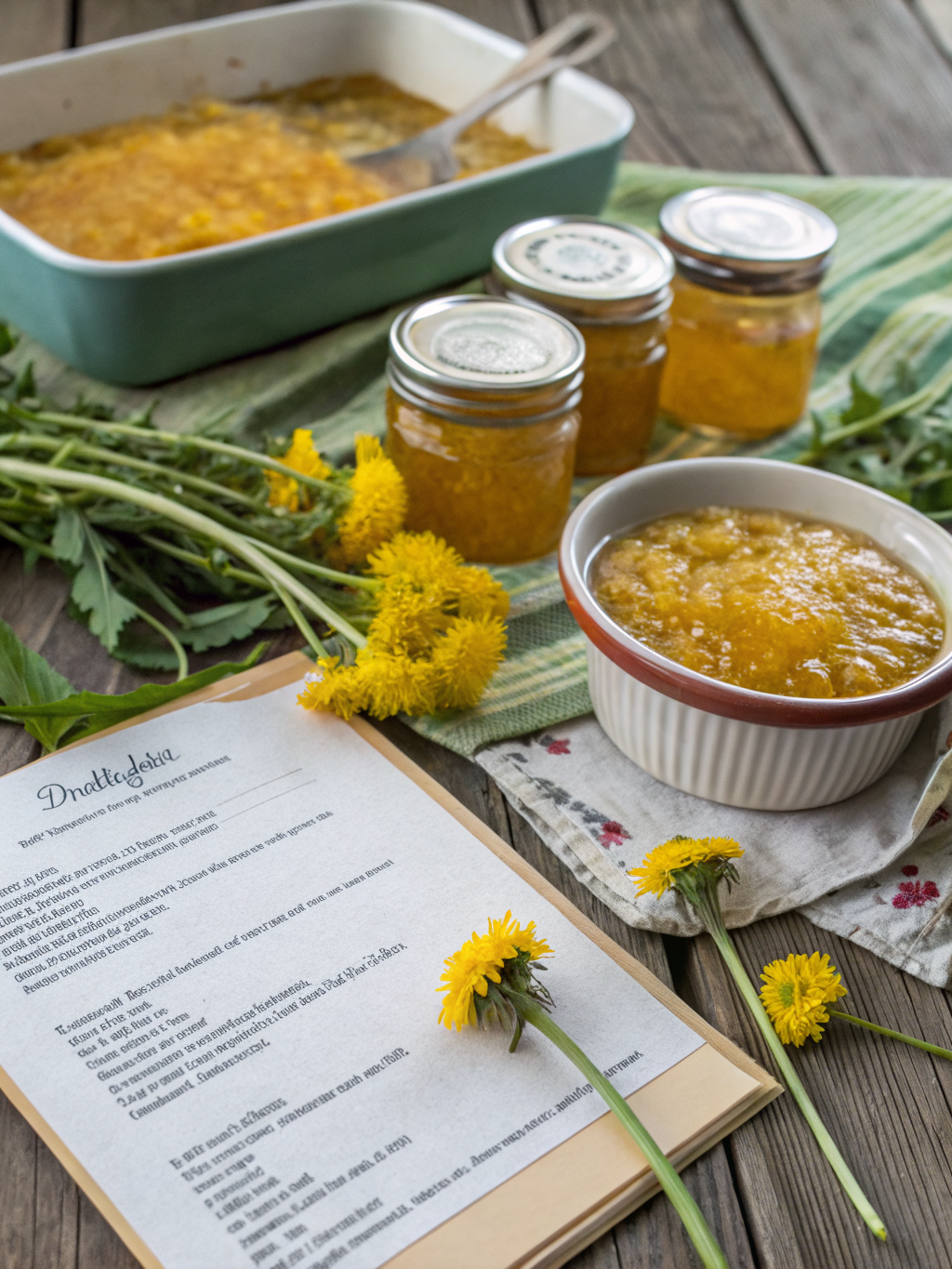
Did you know that dandelions, often dismissed as pesky weeds, contain more beta-carotene than carrots and are packed with antioxidants that support liver health? This vibrant yellow wildflower that dots spring lawns across North America holds incredible culinary potential that our grandmothers knew well. If you’re looking to transform your yard’s “weeds” into a delicious, golden spread, this dandelion jelly recipe will guide you through creating an old-fashioned delicacy that tastes like sunshine in a jar. This homemade dandelion jelly combines the subtle honey-like sweetness of foraged dandelion petals with the nostalgic charm of traditional preserving methods. Whether you’re an experienced forager or a curious beginner, this wildflower jelly recipe will reconnect you with nature while producing a unique spread that’s perfect for toast, biscuits, or gifting to impressed friends and family.
Ingredients List
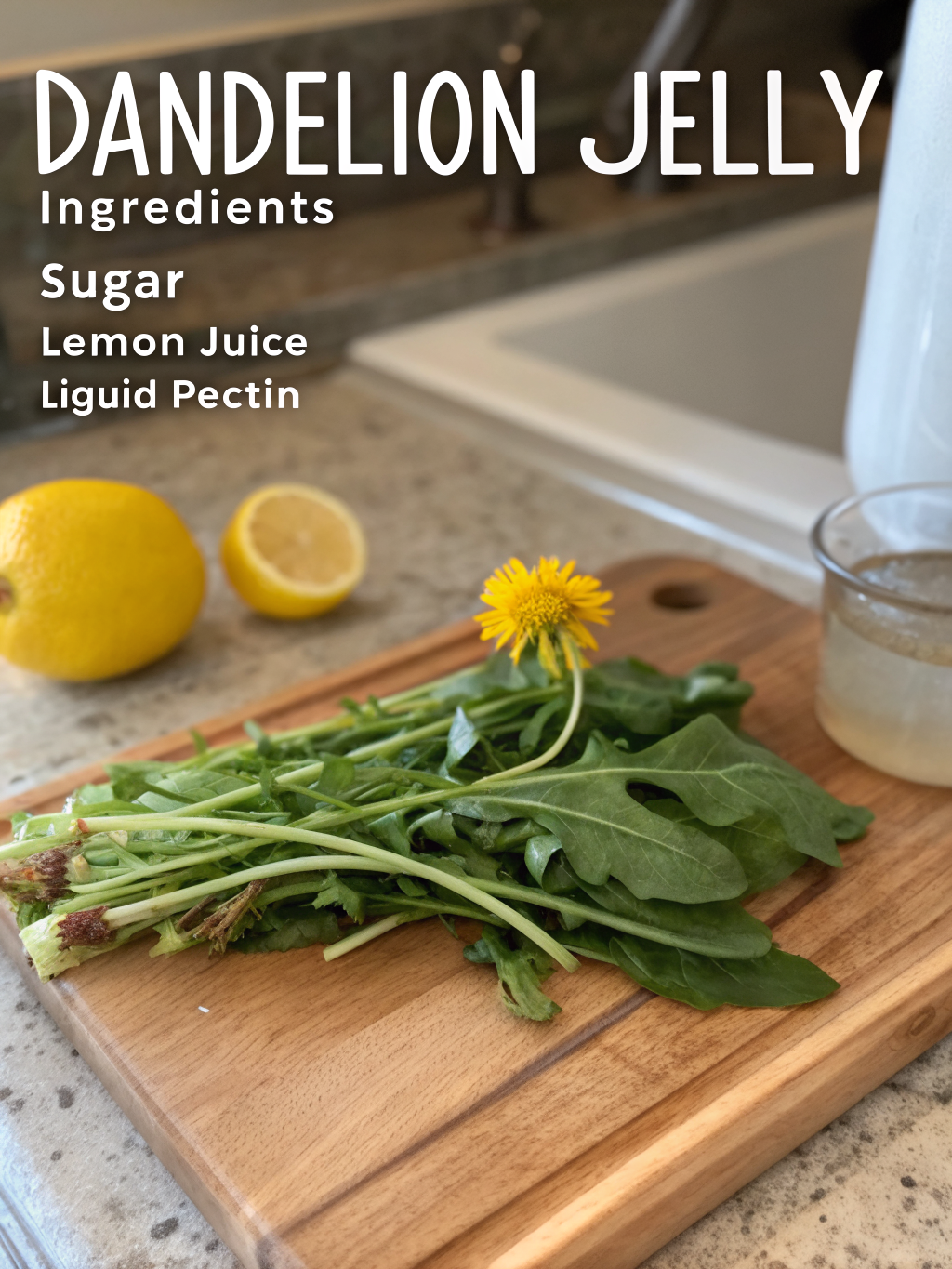
Creating this golden dandelion flower jelly requires simple, pantry-friendly ingredients alongside your freshly foraged blossoms:
- 4 cups fresh dandelion petals (yellow parts only, about 100-150 dandelion heads) – Ensure these are collected from pesticide-free areas away from roadsides
- 4 cups water (filtered or spring water recommended for the purest flavor)
- 4 tablespoons fresh lemon juice (approximately 1-2 lemons) – Can substitute with 2 tablespoons white vinegar if needed
- 1 package (1.75 oz) powdered pectin – Regular or low-sugar varieties work; liquid pectin can substitute but adjust timing
- 4½ cups granulated sugar – Can substitute with 3½ cups honey for a more natural sweetness, though this affects setting
- Optional: ½ teaspoon butter – Reduces foaming during the boiling process
Substitution Notes: For a healthier version, consider using organic cane sugar, coconut sugar (though it darkens the color), or a pectin designed for low-sugar recipes which allows you to reduce sugar by up to 50%.
Timing
This foraged jelly recipe requires patience but delivers rewarding results:
- Preparation Time: 45 minutes (including foraging and petal removal)
- Steeping Time: 8 hours or overnight (can be done passively)
- Active Cooking Time: 25 minutes
- Total Time: Approximately 9 hours (mostly hands-off)
- Yield: 6-7 half-pint jars
Compared to commercial jam-making, this old fashioned jelly recipe takes about 15% longer due to the careful steeping process, but the unique flavor profile makes every minute worthwhile. The overnight steeping can be adjusted to as little as 4 hours if you’re pressed for time, though longer steeping yields deeper flavor.
Step-by-Step Instructions
Step 1: Harvest Your Dandelions
Select fully opened dandelion blossoms on a dry, sunny morning after the dew has evaporated. Choose flowers from areas you’re certain haven’t been treated with chemicals—your backyard, a friend’s organic garden, or designated foraging areas work perfectly. You’ll need approximately 100-150 flower heads to yield 4 cups of petals. Gently shake each flower to dislodge any hidden insects.
Pro Tip: Dandelions close at night and in cloudy weather, so harvest between 10 AM and 2 PM for the most open, vibrant blooms.
Step 2: Prepare the Dandelion Petals
Remove the yellow petals from the green base (calyx) of each flower. The green parts contain bitter compounds that will negatively affect your dandelion preserves‘ flavor. This is the most time-consuming step—consider enlisting family members or putting on a favorite podcast. Rinse the petals gently in cool water using a colander, then pat dry with clean kitchen towels.
Time-Saving Trick: Use kitchen scissors to snip the petals directly into your bowl, cutting just above where yellow meets green.
Step 3: Create the Dandelion Tea
Place your 4 cups of clean dandelion petals in a large, non-reactive pot (stainless steel or enamel-coated). Pour 4 cups of boiling water over the petals, ensuring they’re completely submerged. Stir gently, cover with a lid, and allow the mixture to steep at room temperature for at least 8 hours or overnight. The liquid will transform into a beautiful golden-amber tea with a delicate, floral aroma.
Important Note: The longer steeping time extracts maximum flavor and color from the petals, resulting in that characteristic honey-like taste.
Step 4: Strain the Dandelion Infusion
After steeping, strain the dandelion tea through a fine-mesh sieve or cheesecloth into a clean bowl, pressing gently on the petals to extract all the flavorful liquid. Discard the spent petals (or compost them). Measure your liquid—you should have approximately 3½ to 4 cups. If you have less, add water to reach 3½ cups; if you have more, that’s perfectly fine for this recipe.
Step 5: Prepare Your Jars and Equipment
While not actively part of the jelly-making, proper preparation prevents scrambling later. Sterilize 6-7 half-pint mason jars by boiling them in water for 10 minutes or running them through a dishwasher cycle. Keep the jars hot until ready to fill. Place lids in a small pot of simmering (not boiling) water. Have your canning funnel, ladle, and clean kitchen towels ready.
Step 6: Combine Dandelion Tea with Pectin
Pour the strained dandelion tea into a large, heavy-bottomed pot (at least 6-quart capacity to prevent boil-overs). Add the lemon juice and stir—this adds brightness and helps with pectin activation. Sprinkle the powdered pectin over the liquid and whisk vigorously to dissolve completely, ensuring no clumps remain. Add the optional ½ teaspoon butter to reduce foaming.
Why This Matters: Lemon juice adjusts the pH to the optimal range for pectin to create that perfect gel structure characteristic of quality edible flower jelly.
Step 7: Bring to a Rolling Boil
Place the pot over high heat and bring the mixture to a full, rolling boil that cannot be stirred down. Stir frequently to prevent scorching. This typically takes 5-7 minutes. Watch carefully as the mixture can foam up significantly—this is where that large pot proves essential.
Step 8: Add the Sugar
Once you’ve achieved a rolling boil, add all 4½ cups of sugar at once. Stir constantly until the sugar completely dissolves, about 1-2 minutes. Return the mixture to a full, rolling boil, stirring constantly. Once it reaches this vigorous boil, set a timer for exactly 1-2 minutes, continuing to stir.
Critical Timing: Over-boiling creates overly thick, rubbery jelly, while under-boiling results in syrup that won’t set. The 1-2 minute window is crucial for perfect consistency.
Step 9: Test for Gel Point
After the 1-2 minute hard boil, remove the pot from heat. To test if your jelly will set properly, place a small spoonful on a chilled plate (keep one in the freezer) and return it to the freezer for 1 minute. Run your finger through it—if it wrinkles and holds a line, it’s ready. If it’s still runny, return to heat for 30 seconds more and retest.
Step 10: Fill and Process the Jars
Remove any foam from the surface using a spoon. Working quickly while the jelly is hot, use your canning funnel and ladle to fill the sterilized jars, leaving ¼-inch headspace at the top. Wipe the rims with a clean, damp cloth to ensure a proper seal. Place the warm lids on top and screw on the bands until fingertip-tight (snug but not forcefully tight).
Processing Options: For longer shelf stability (up to 1 year), process filled jars in a boiling water bath for 5 minutes. For refrigerator jelly (3-4 weeks storage), simply allow to cool and refrigerate once set.
Step 11: Cool and Check Seals
Remove jars from the water bath (if processing) and place on a towel-covered counter away from drafts. You’ll hear the satisfying “ping” of lids sealing as they cool over the next few hours. Once completely cool (12-24 hours), check seals by pressing the center of each lid—it shouldn’t flex. Any unsealed jars should be refrigerated and used first. Your homemade dandelion jelly will fully set within 24-48 hours.
Nutritional Information
Per 1 tablespoon serving (approximately 20g) of this dandelion flower jelly:
- Calories: 52
- Total Fat: 0g
- Sodium: 1mg
- Total Carbohydrates: 13.5g
- Sugars: 13g
- Protein: 0g
- Vitamin C: 2% Daily Value (from lemon juice)
- Antioxidants: Trace amounts from dandelion petals
While this jelly is primarily a source of simple carbohydrates from sugar, the dandelion petals contribute beneficial plant compounds including beta-carotene, polyphenols, and flavonoids, though in small amounts after processing. The traditional recipe focuses on preservation and flavor rather than nutritional density, but the minimal processing of whole flowers offers more benefits than commercially refined jellies.
Context: Compared to commercial grape jelly (averaging 50 calories and 13g sugar per tablespoon), this dandelion preserves recipe has a similar nutritional profile but offers the advantage of containing no artificial colors, preservatives, or high-fructose corn syrup.
Healthier Alternatives for the Recipe
Transform this old fashioned jelly recipe into a more nutritious spread with these thoughtful modifications:
Reduce Sugar Content: Use low-sugar or no-sugar-needed pectin (brands like Pomona’s Universal Pectin or Sure-Jell Low Sugar) which allows you to reduce sugar to just 1-2 cups. The flavor becomes less sweet but more floral, appealing to adult palates. Note that consistency may be slightly softer.
Natural Sweetener Substitutions:
- Honey: Replace sugar with 3 cups of raw local honey for additional enzymes and a more complex flavor profile
- Maple Syrup: Use 3½ cups pure maple syrup for an earthy sweetness (creates a darker color)
- Coconut Sugar: Substitute 1:1, though the jelly will have a caramel color and molasses notes
Boost Nutritional Content: Add ¼ cup fresh dandelion leaves (well-washed and finely chopped) to the steeping process for increased vitamin K, calcium, and iron. The flavor becomes slightly more herbaceous but adds nutritional punch.
Stevia Option: For those monitoring blood sugar, combine 1 cup sugar (for structure) with liquid stevia to taste using low-sugar pectin. This dramatically reduces calories to approximately 15 per tablespoon.
Add Complementary Flavors: Steep 2-3 sprigs of fresh mint, lemon verbena, or chamomile with the dandelion petals for herbal complexity without added calories.
Serving Suggestions
This versatile wildflower jelly shines in numerous culinary applications:
Classic Preparations:
- Spread generously on warm, buttery biscuits or English muffins for a traditional breakfast
- Layer between cake layers as a unique, conversation-starting filling
- Swirl into plain Greek yogurt with granola for a protein-rich breakfast bowl
Creative Applications:
- Cheese Board Star: Pair with creamy brie, aged cheddar, or tangy goat cheese—the floral notes beautifully complement dairy
- Glaze for Proteins: Warm ¼ cup jelly with 1 tablespoon balsamic vinegar and brush over roasted chicken, pork tenderloin, or grilled salmon
- Cocktail Sweetener: Dissolve a spoonful in hot water, cool, and add to champagne for a springtime “Dandelion Mimosa”
- Tea Enhancement: Stir into hot black or green tea as a floral, sweet alternative to honey
- Thumbprint Cookies: Fill the centers of butter cookies before baking for stunning, jewel-toned treats
- Salad Dressing Base: Whisk 2 tablespoons jelly with olive oil, vinegar, and Dijon mustard for a sweet vinaigrette
Gifting Ideas: Package your edible flower jelly in decorative jars with fabric toppers and handwritten labels explaining the foraging story—it makes a memorable hostess gift or farmer’s market product.
Common Mistakes to Avoid
Ensure perfect results by sidestepping these frequent pitfalls:
Harvesting from Contaminated Areas: The most critical error is gathering dandelions from chemically treated lawns, roadsides with vehicle exhaust, or areas where dogs frequently walk. Always verify your foraging location is pesticide-free and clean.
Including Green Parts: Those bitter green calyxes and stems will ruin your jelly’s delicate flavor. Take time to remove only the yellow petals, even if it seems tedious. Studies show that dandelion greens contain 5-10 times more bitter sesquiterpene lactones than petals.
Insufficient Steeping Time: Rushing the steeping process results in pale, flavorless jelly. The 8-hour minimum allows full extraction of flavonoids and color compounds. Patience truly pays off here.
Incorrect Boiling Time: The precise 1-2 minute full boil after adding sugar is scientifically important. Pectin molecules need this exact thermal exposure to form the gel network. Too short leaves syrup; too long creates gummy texture.
Overfilling Jars: Leaving proper headspace (¼ inch) is essential for creating vacuum seals. Overfilled jars won’t seal, leading to spoilage.
Not Adjusting for Altitude: If you live above 1,000 feet elevation, increase water bath processing time by 1 minute for every 1,000 feet. Lower atmospheric pressure affects boiling points and seal formation.
Doubling the Recipe: Pectin chemistry works best in small batches. Doubling disrupts the precise ratios needed for proper gelling. Make multiple small batches instead.
Storing Before Fully Set: Moving jars before they’ve cooled and set completely (24-48 hours) can prevent proper gel formation. Leave them undisturbed on the counter.
Storing Tips for the Recipe
Maximize the shelf life and quality of your dandelion jelly recipe with proper storage:
Sealed, Processed Jars:
- Store in a cool, dark pantry or cupboard away from direct sunlight and heat sources
- Properly sealed and processed jars maintain optimal quality for 12-18 months
- Once opened, refrigerate and use within 3-4 weeks
- Mark jars with preparation date for easy rotation
Refrigerator Storage:
- Unprocessed jelly (not water bath canned) keeps for 3-4 weeks refrigerated
- Always use clean utensils when scooping to prevent contamination
- Keep jar lids tightly sealed between uses
Freezer Storage:
- This homemade dandelion jelly freezes beautifully for up to 1 year
- Leave 1 inch headspace in freezer-safe containers to allow for expansion
- Thaw in refrigerator overnight before using
- Texture remains perfect after freezing, unlike some fruit jellies
Signs of Spoilage:
- Mold growth on surface (never simply scrape off—discard entire jar)
- Bulging lids or broken seals
- Off odors or fermented smell
- Significant color change to brown or gray
Pro Storage Tip: The flavor actually mellows and improves after 2-3 weeks of storage as the floral notes integrate with the sugar, so resist opening jars immediately!
Conclusion
Creating your own dandelion jelly recipe connects you with centuries of foraging tradition while producing a uniquely delicious spread that simply can’t be purchased in stores. This old-fashioned preserve transforms overlooked wildflowers into golden jars of sunshine that capture spring’s ephemeral beauty. With approximately 9 hours total time (mostly passive steeping) and straightforward techniques, even beginning preservers can achieve professional-quality results. The subtle honey-like flavor with floral undertones makes this wildflower jelly a versatile addition to both sweet and savory dishes, from morning toast to elegant cheese boards. Whether you’re expanding your foraging skills, seeking sustainable food practices, or simply wanting to create something extraordinary from your own backyard, this homemade dandelion jelly delivers satisfaction in every spoonful. Gather your dandelions this spring, follow these detailed steps, and experience the magic of turning “weeds” into a treasured pantry staple that will impress everyone who tastes it.
Ready to start your foraging adventure? Head outside on the next sunny morning, collect those cheerful yellow blooms, and transform them into this remarkable jelly. Share your results in the comments below—we’d love to hear about your dandelion jelly success stories and creative serving ideas!
FAQs
Q: Can I make dandelion jelly from dandelions in my yard even if I’m not sure about chemical treatments?
A: It’s not recommended to use dandelions from yards with unknown treatment history. Herbicides and pesticides can persist in plant tissues and won’t be eliminated through cooking. If you’re uncertain about your lawn’s history, seek out confirmed organic gardens, nature preserves with foraging permissions, or friends’ untreated yards. Your safety is paramount. Consider this your opportunity to connect with neighbors and community gardens about their growing practices.
Q: Why is my dandelion jelly not setting properly?
A: Several factors affect gel formation: insufficient boiling time after adding sugar (ensure a full 1-2 minute rolling boil), incorrect pectin-to-liquid ratio (measure carefully), altitude adjustments not made, or old pectin (check expiration dates as pectin loses potency over time). If your jelly remains liquid after 48 hours, you can remake it by pouring back into a pot, adding 2 tablespoons fresh lemon juice and ¼ package new pectin, bringing to a rolling boil for 1 minute, then re-jarring.
Q: What does dandelion jelly taste like?
A: The flavor profile is delicate and floral with honey-like sweetness and subtle herbal notes—not intensely “flowery” like rose or lavender. Most people describe it as a lighter, more refined sweetness than traditional fruit jellies, with complexity that develops over weeks of storage. It’s distinctive yet approachable, making converts of even skeptical family members. The taste is often compared to a very mild, sweet chamomile tea with golden honey notes.
Q: Can I use dried dandelion petals or dandelion tea bags?
A: While possible, dried petals or commercial dandelion tea (usually made from roots and leaves) produce dramatically different results. Fresh petals contain volatile flavor compounds and natural sugars that dissipate during drying. Dried petals yield paler color and less complex flavor. If fresh dandelions are unavailable, consider waiting until spring rather than compromising on this once-a-year specialty preserve. The fresh flower experience is truly worth waiting for.
Q: Is dandelion jelly safe for children and pregnant women?
A: Yes, when made from dandelions harvested from clean, pesticide-free areas and properly processed, this jelly is safe for most people including children and pregnant women. However, individuals with allergies to plants in the Asteraceae family (ragweed, chrysanthemums, marigolds) should avoid it as cross-reactivity is possible. The cooking process neutralizes most compounds that might cause concern in raw dandelions. As always, consult healthcare providers about specific dietary concerns.
Q: How many dandelions do I need to pick?
A: You’ll need approximately