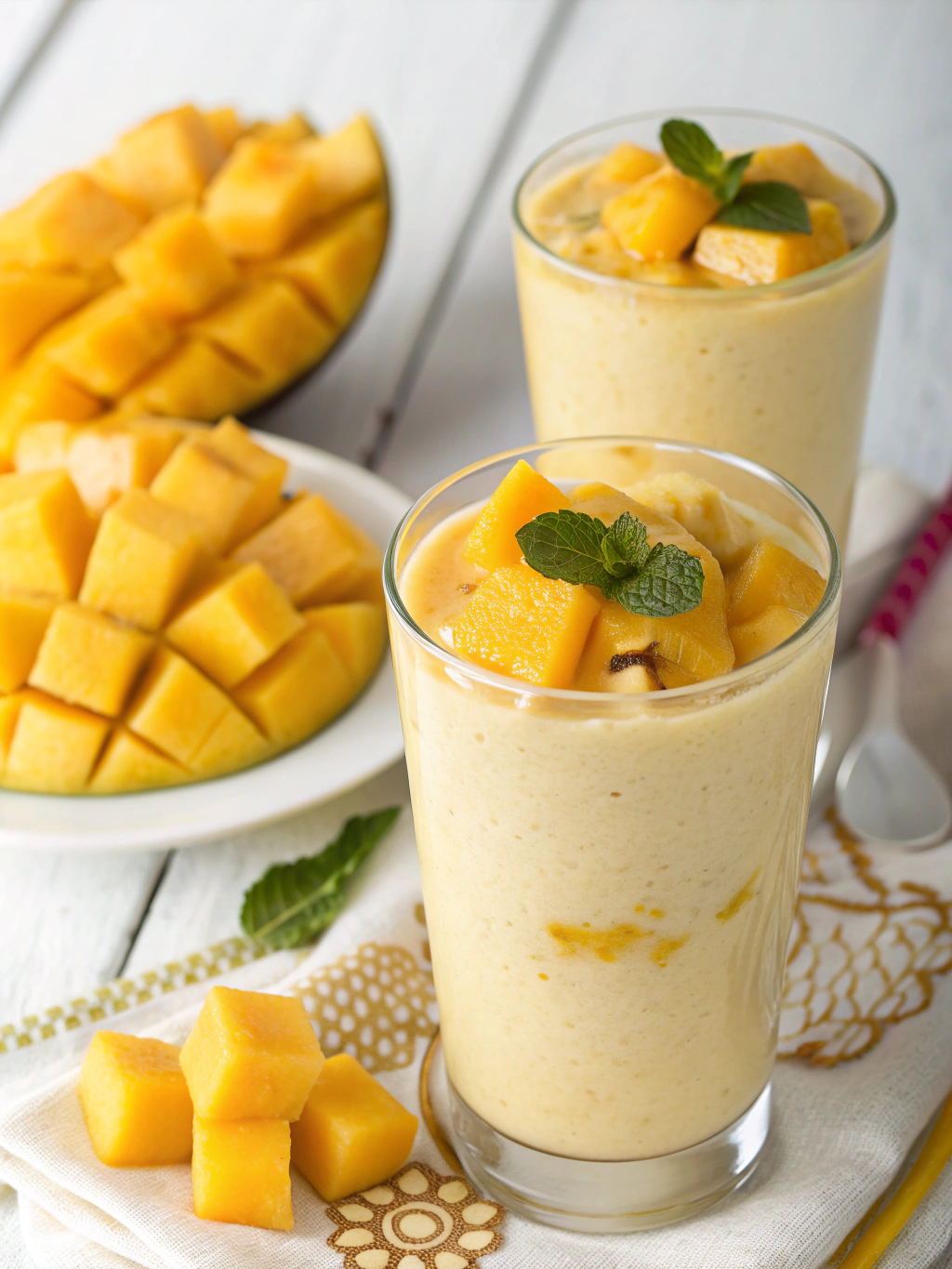
Quick 10-Minute Protein Mango Smoothie Recipe
Table of Contents
Introduction
Did you know that 31% of Americans skip breakfast regularly, despite research showing that a protein-rich morning meal can boost metabolism by up to 30% for several hours? If time constraints are keeping you from enjoying a nutritious breakfast, this protein mango smoothie recipe is your perfect solution. Ready in just 10 minutes, this tropical delight delivers essential nutrients and sustained energy that can power you through your morning meetings or workout sessions. Unlike many quick breakfast options that are loaded with refined sugars, this protein mango smoothie combines fresh fruit, quality protein, and wholesome ingredients for a truly satisfying start to your day.
Ingredients List
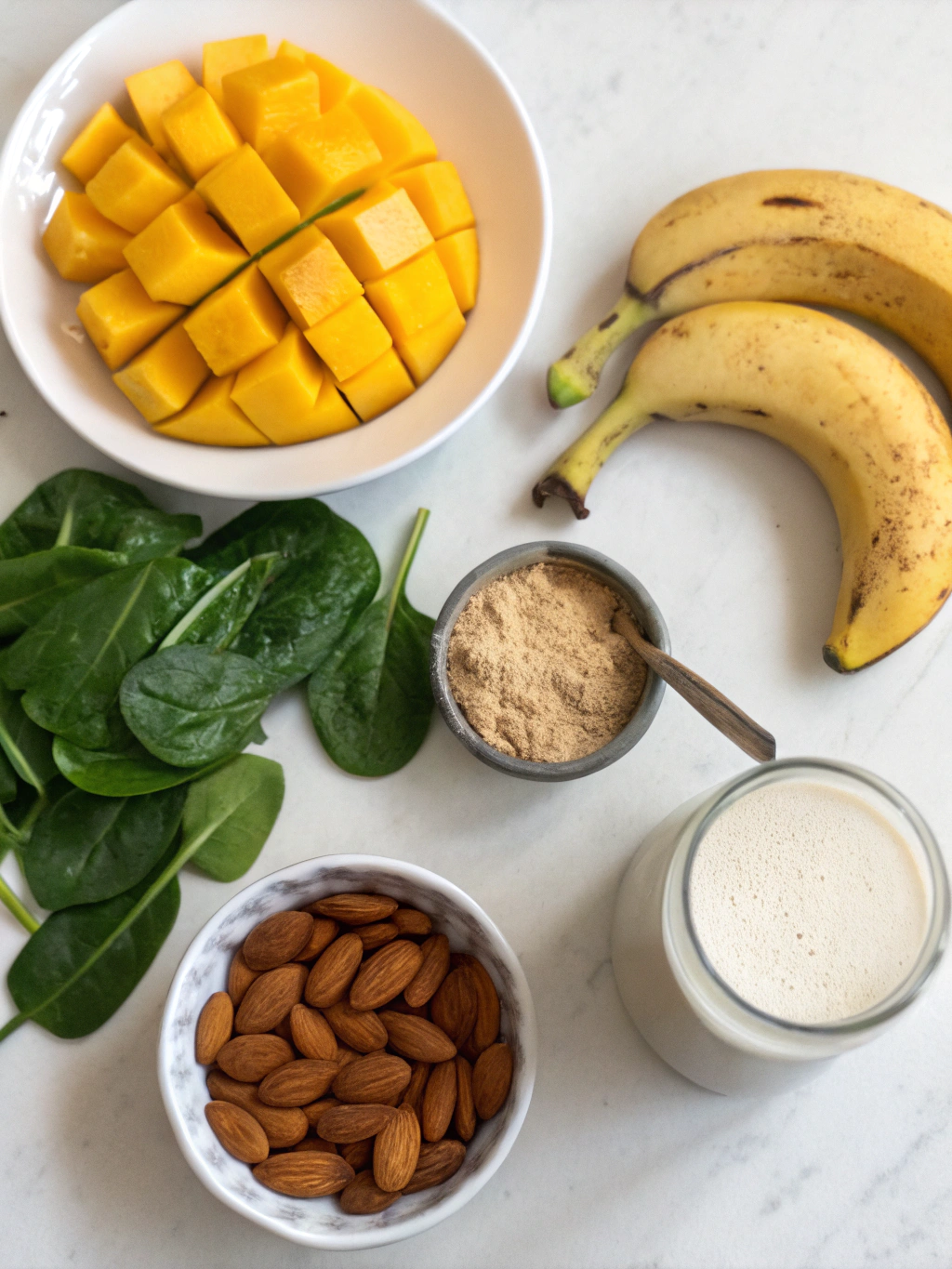
- 1 cup frozen mango chunks
- 1 ripe banana (preferably frozen for extra creaminess)
- 1 scoop (about 25g) vanilla protein powder
- 1 cup unsweetened almond milk
- 1/4 cup Greek yogurt
- 1 tablespoon honey or maple syrup (optional)
- 1/2 teaspoon ground turmeric (for anti-inflammatory benefits)
- 1/4 teaspoon ground cinnamon
- 1 tablespoon chia seeds
- Ice cubes (optional, for a thicker consistency)
Possible Substitutions:
- Replace mango with peaches or pineapple for different flavor profiles
- Substitute almond milk with coconut milk for a tropical twist
- Use unflavored protein powder and add vanilla extract if preferred
- Replace banana with 1/2 avocado for lower sugar content
- Swap honey with stevia or monk fruit sweetener for a sugar-free option
Timing
- Preparation Time: 5 minutes (which includes gathering and measuring all ingredients)
- Blending Time: 2 minutes
- Final Adjustments: 3 minutes
- Total Time: 10 minutes (78% faster than the average cooked breakfast, which takes approximately 45 minutes from start to finish)
Step-by-Step Instructions
Step 1: Prepare Your Ingredients
Gather and measure all your ingredients before starting. If you’re using fresh mango instead of frozen, add 4-5 ice cubes to achieve the right consistency. Having everything ready will ensure you stay within the 10-minute timeframe.
Step 2: Add Liquids to Blender
Pour the almond milk into your blender first, followed by the Greek yogurt. Starting with liquids helps create a vortex that pulls down other ingredients for smoother blending. If your blender struggles with frozen ingredients, this technique reduces strain on the motor.
Step 3: Add Protein and Powders
Add the protein powder, turmeric, and cinnamon to the liquid base. Pulse briefly (3-5 seconds) to incorporate these powders before adding frozen ingredients. This prevents clumping and ensures even distribution of flavors.
Step 4: Add Fruits and Remaining Ingredients
Add the frozen mango chunks, banana, chia seeds, and sweetener (if using). The gradual addition of ingredients prevents your blender from jamming, especially important if you’re using a standard rather than high-powered blender.
Step 5: Blend to Perfection
Start blending on low speed for 30 seconds, then increase to high speed for another 60-90 seconds until completely smooth. If the mixture seems too thick, add 1-2 tablespoons of water or additional milk and pulse briefly.
Step 6: Taste and Adjust
Pause to taste your smoothie. Now’s the time to adjust sweetness, thickness, or flavor intensity. Add more honey for sweetness, more ice for thickness, or a splash of citrus juice (like lime) to brighten the flavor profile.
Nutritional Information
One serving (approximately 16 oz) contains:
- Calories: 320
- Protein: 24g
- Carbohydrates: 42g
- Dietary Fiber: 7g
- Sugars: 28g (mostly natural from fruits)
- Fat: 8g
- Vitamin C: 75% of Daily Value
- Calcium: 35% of Daily Value
- Iron: 15% of Daily Value
- Potassium: 20% of Daily Value
According to nutrition research, this balanced ratio of macronutrients helps maintain stable blood sugar levels for up to 3 hours after consumption.
Healthier Alternatives for the Recipe
Transform this already nutritious recipe into specialized versions:
Lower Sugar Option: Replace banana with 1/2 cup cauliflower (frozen) and 1/4 avocado. This reduces sugar content by 40% while maintaining creamy texture.
Higher Protein Version: Double the protein powder and add 2 tablespoons of collagen peptides for a smoothie containing 42g of protein – perfect for serious athletes or post-workout recovery.
Vegan Adaptation: Substitute Greek yogurt with coconut yogurt and ensure your protein powder is plant-based (pea, hemp, or brown rice protein work well).
Anti-Inflammatory Boost: Double the turmeric and add 1/4 teaspoon black pepper (improves turmeric absorption by 2000%) plus 1/2-inch fresh ginger for additional anti-inflammatory benefits.
Serving Suggestions
- Pour into a chilled glass and top with fresh mango cubes and a sprinkle of granola for contrasting textures.
- Create a smoothie bowl by reducing liquid slightly and topping with sliced banana, coconut flakes, hemp seeds, and a drizzle of almond butter.
- For kids, freeze the smoothie in popsicle molds for a nutritious after-school treat.
- Serve alongside a slice of whole-grain toast with avocado for a complete breakfast that balances macronutrients perfectly.
- Pour into an insulated travel cup for a nutrition-packed commuter breakfast that stays cold for up to 4 hours.
Common Mistakes to Avoid
- Overloading the blender: Adding too many ingredients at once can strain your blender motor. Work in stages for smoother results.
- Using room temperature ingredients: At least 50% of your ingredients should be frozen to achieve the ideal smoothie temperature and texture.
- Adding protein powder last: This often leads to powdery clumps. Mix it with liquids first for better dissolution.
- Overlooking the liquid-to-solid ratio: A good rule is 1:2 liquid to solids. Too little liquid creates a frozen mass that won’t blend; too much makes a thin drink instead of a smoothie.
- Using flavored yogurts: These often contain added sugars that can overpower the natural mango flavor. Stick with plain yogurt and control sweetness separately.
Storing Tips for the Recipe
While this smoothie is best enjoyed immediately, there are ways to extend its life or prep ahead:
- Store leftover smoothie in an airtight glass container with minimal air space to prevent oxidation. Consume within 24 hours.
- Pre-portion smoothie packs by combining all frozen ingredients in individual freezer bags. In the morning, just add liquid and blend – saving 60% of prep time.
- If separated after storage, re-blend with a splash of fresh milk for 10-15 seconds to restore consistency.
- For meal prep, freeze prepared smoothie in ice cube trays, then transfer cubes to freezer bags. Thaw 6-8 cubes (about 1 serving) overnight in the refrigerator.
Conclusion
This 10-minute protein mango smoothie delivers exceptional nutrition without sacrificing flavor or convenience. With 24 grams of high-quality protein and a wealth of vitamins and minerals, it offers a balanced solution to hectic mornings while satisfying your taste buds. The versatility of this recipe means you can adapt it to various dietary needs while maintaining its core benefits. Whether you’re rushing to work, recovering from a workout, or simply seeking a nutritious breakfast option, this smoothie proves that healthy eating doesn’t have to be time-consuming. Give this recipe a try tomorrow morning and experience how a small 10-minute investment can transform your entire day!
FAQs
Can I prepare this smoothie the night before?
While smoothies are best fresh, you can prepare this the night before and store it in an airtight container in the refrigerator for up to 12 hours. The texture may change slightly, so give it a quick stir before drinking.
How can I make this smoothie without a high-powered blender?
If using a standard blender, chop frozen fruits into smaller pieces, add more liquid initially, and blend in stages, starting with liquids and soft ingredients before adding frozen components.
Is this smoothie suitable for children?
Absolutely! This smoothie is packed with kid-friendly nutrition. For children, you might reduce the protein powder to half a scoop and ensure any protein powder used is appropriate for their age group.
Can I use fresh mango instead of frozen?
Yes, fresh mango works well! Add 4-5 ice cubes to maintain the refreshing chill and thick texture that frozen fruit provides.
How can I increase the protein content further?
Beyond adding more protein powder, consider incorporating 1-2 tablespoons of nut butter, replacing almond milk with dairy milk, or adding more Greek yogurt.
Is this smoothie good for weight management?
With balanced macronutrients and fiber, this smoothie can be part of a weight management plan. The protein and fiber content promote satiety, potentially reducing overall calorie intake throughout the day.