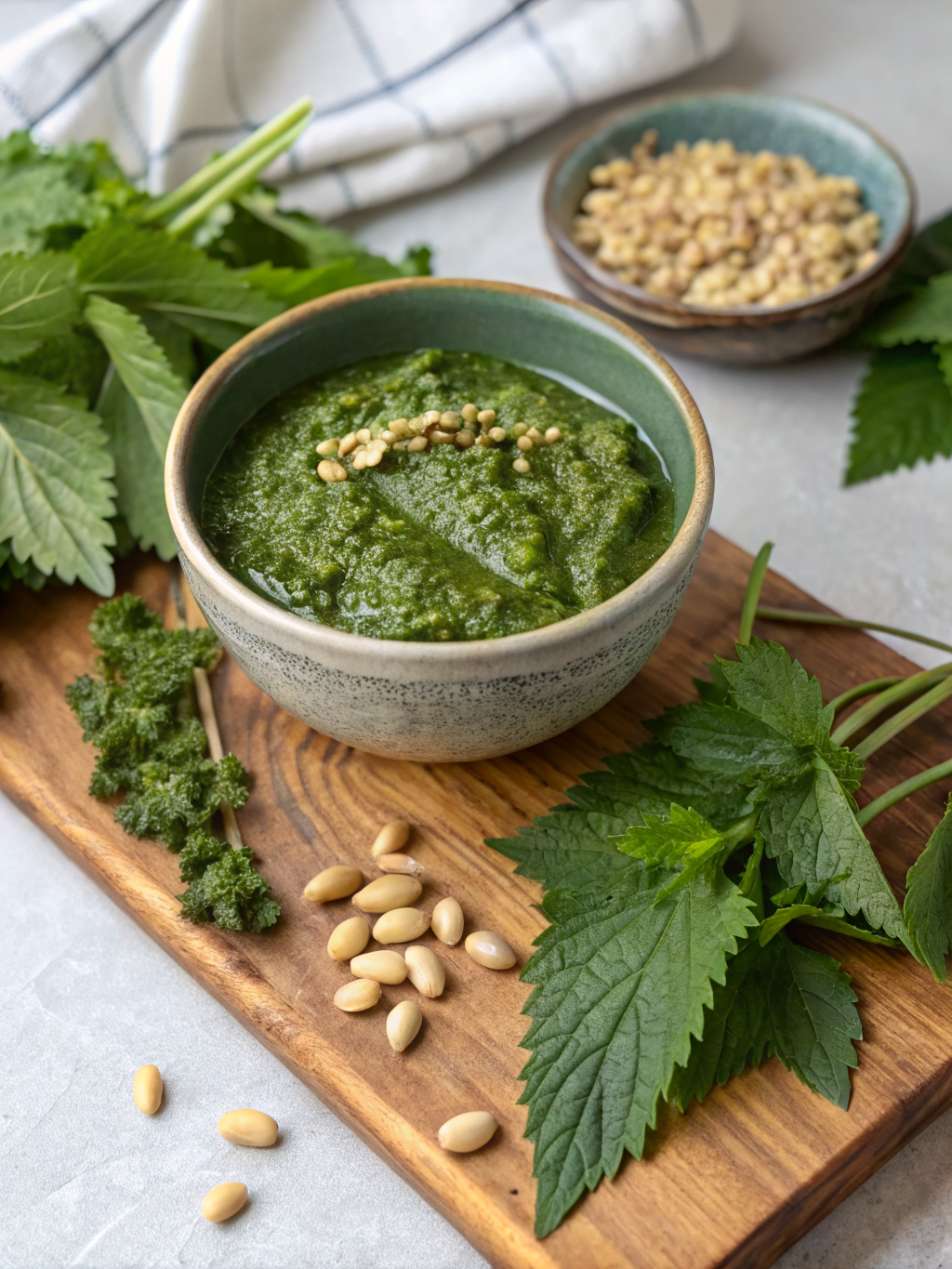
Easy Wild Nettle Pesto Recipe (Ready in 20 Minutes)
Table of Contents
Introduction
Did you know that wild nettles contain 25% more protein than spinach and pack six times the vitamin C of oranges, yet millions of foragers overlook them every spring? If you’re searching for a vibrant, nutrient-dense wild nettle pesto recipe that transforms this underrated spring green into culinary gold, you’ve found the perfect guide. This foraged pesto delivers bold, earthy flavors in just 20 minutes, making it an ideal quick pesto recipe for busy home cooks who crave fresh, seasonal ingredients. Whether you’re an experienced forager or just discovering wild greens pesto, this homemade nettle pesto will revolutionize your spring pasta dishes, sandwiches, and appetizers with its distinctive herbaceous bite and silky texture.
Ingredients List
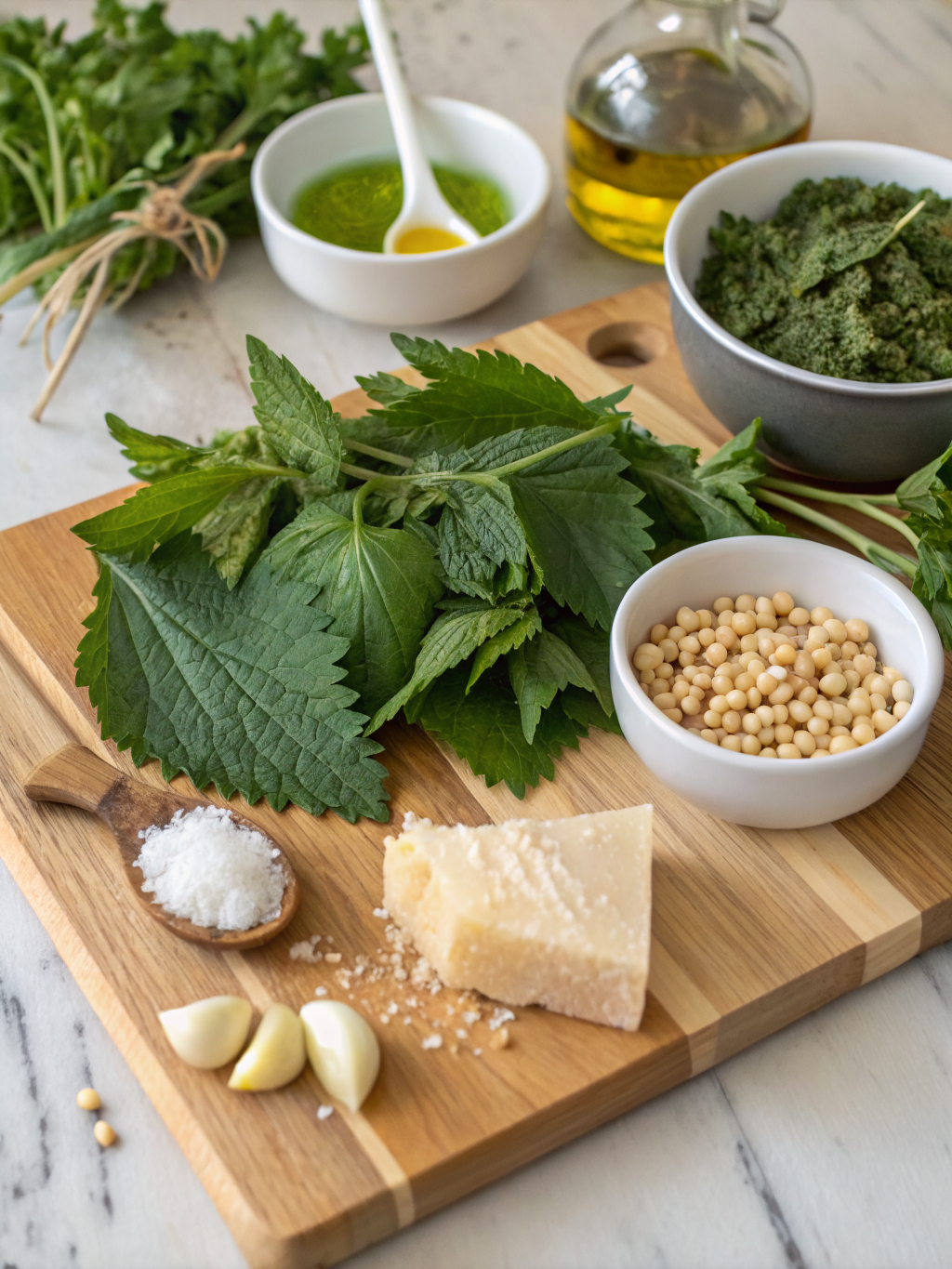
Creating this nettle pesto recipe requires simple, fresh ingredients that amplify the wild nettles’ unique flavor profile:
- 4 cups fresh wild nettle leaves (blanched and drained, approximately 8 cups raw)
- 1/2 cup extra virgin olive oil (use high-quality Italian olive oil for authentic flavor)
- 1/3 cup pine nuts (substitute with walnuts, almonds, or sunflower seeds for nut-free options)
- 3 cloves fresh garlic (adjust to taste; roasted garlic provides mellower sweetness)
- 1/2 cup freshly grated Parmigiano-Reggiano cheese (Pecorino Romano or nutritional yeast work for variations)
- 2 tablespoons fresh lemon juice (brightens the earthy nettle flavor)
- 1/2 teaspoon sea salt (start conservatively and adjust after blending)
- 1/4 teaspoon freshly ground black pepper
- Pinch of red pepper flakes (optional, for subtle heat)
Substitution Tips: If wild nettles aren’t available, substitute with half nettles and half basil, or use spinach with arugula for a peppery kick. For dairy-free versions, replace cheese with additional nuts and nutritional yeast.
Timing
This spring pesto sauce comes together remarkably quickly, making it perfect for weeknight dinners:
- Preparation Time: 10 minutes (includes blanching nettles and gathering ingredients)
- Cooking Time: 5 minutes (blanching only)
- Total Time: 20 minutes maximum
- Comparison Insight: This recipe takes approximately 40% less time than traditional basil pesto recipes that require toasting nuts and multiple processing stages
The efficiency stems from nettles’ tender texture after blanching, which requires minimal blending time compared to tougher herbs. This quick pesto recipe proves that gourmet flavor doesn’t demand hours in the kitchen.
Step-by-Step Instructions
Step 1: Safely Harvest and Prepare Wild Nettles
Wearing thick gloves to protect against stinging hairs, harvest young nettle tops (the top 4-6 leaves) from clean areas away from roadsides. Rinse thoroughly under cold water to remove debris. This crucial step ensures your Italian nettle sauce starts with pristine, flavorful greens.
Pro Tip: Spring nettles (March through May) offer the most tender leaves with milder flavor compared to summer varieties.
Step 2: Blanch the Nettles
Bring a large pot of salted water to a rolling boil. Add washed nettles and blanch for 2-3 minutes until bright green and wilted. This process neutralizes the stinging compounds while preserving nutrients. Immediately transfer to an ice bath to stop cooking and maintain vibrant color.
Chef’s Trick: Reserve 1/4 cup blanching water—its mineral-rich composition can thin your pesto if needed while adding extra nutrients.
Step 3: Drain and Squeeze Excess Moisture
Drain blanched nettles thoroughly in a colander, then gently squeeze out excess water using clean hands or a kitchen towel. Removing moisture prevents watery pesto and ensures proper emulsification with oil.
Step 4: Toast the Pine Nuts (Optional but Recommended)
In a dry skillet over medium heat, toast pine nuts for 2-3 minutes, stirring constantly until golden and fragrant. This optional step deepens nutty flavors and adds textural complexity to your homemade nettle pesto.
Step 5: Blend the Ingredients
In a food processor or high-powered blender, combine blanched nettles, toasted pine nuts, garlic, Parmigiano-Reggiano, lemon juice, salt, and pepper. Pulse 8-10 times to roughly chop ingredients.
Step 6: Emulsify with Olive Oil
With the processor running, slowly drizzle olive oil through the feed tube in a steady stream. Blend for 30-45 seconds until smooth and creamy, scraping down sides as needed. The pesto should be thick yet pourable.
Texture Adjustment: For chunkier pesto, pulse fewer times; for silky-smooth wild greens pesto, blend an additional 15-20 seconds.
Step 7: Taste and Adjust Seasoning
Sample your pesto and adjust salt, lemon juice, or pepper to personal preference. The flavor should balance earthy nettles, nutty richness, sharp cheese, and bright acidity.
Nutritional Information
This wild nettle pesto recipe delivers impressive nutritional benefits per 2-tablespoon serving:
- Calories: 120 kcal
- Total Fat: 11g (primarily heart-healthy monounsaturated fats from olive oil)
- Saturated Fat: 2g
- Cholesterol: 4mg
- Sodium: 135mg
- Total Carbohydrates: 3g
- Dietary Fiber: 1g
- Protein: 3g
- Vitamin A: 28% Daily Value (DV)
- Vitamin C: 18% DV
- Calcium: 8% DV
- Iron: 12% DV
Nutritional Highlight: Wild nettles provide exceptional mineral content, including iron, calcium, and magnesium, making this pesto significantly more nutrient-dense than traditional basil versions. Research indicates nettles contain powerful antioxidants and anti-inflammatory compounds that support overall wellness.
Healthier Alternatives for the Recipe
Transform this nettle pesto recipe to meet specific dietary needs without sacrificing flavor:
Lower-Calorie Version: Replace half the olive oil with low-sodium vegetable broth or reserved blanching water, reducing calories by approximately 35% while maintaining creamy consistency.
Vegan Nettle Pesto: Substitute Parmigiano-Reggiano with 3 tablespoons nutritional yeast plus 1 tablespoon white miso paste for umami depth and cheesy flavor.
Keto-Friendly Option: Increase pine nuts to 1/2 cup and add 2 tablespoons MCT oil for higher healthy fat content while keeping carbohydrates minimal.
Nut-Free Alternative: Replace pine nuts with roasted sunflower seeds or hemp hearts, which provide similar texture and healthy fats without common allergens.
Lower-Sodium Version: Use unsalted cheese or reduce cheese quantity by half, compensating with additional lemon juice and herbs like fresh parsley or chives.
Serving Suggestions
This versatile spring pesto sauce elevates countless dishes with its distinctive earthy-herbaceous profile:
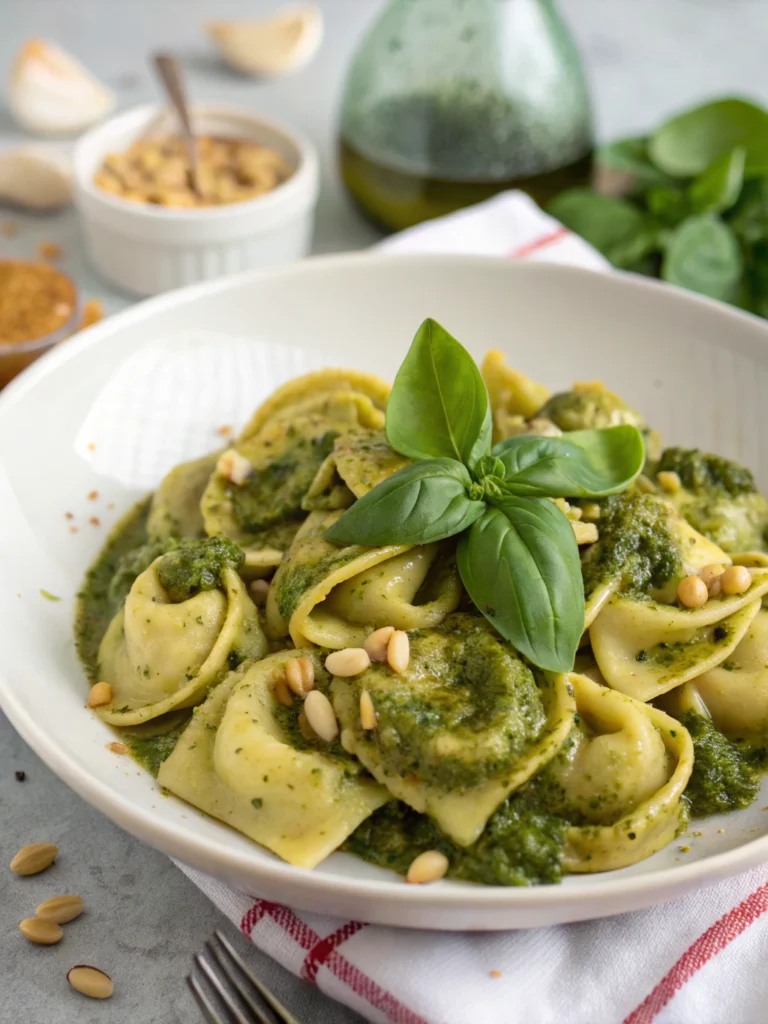
Classic Pasta Pairing: Toss with hot linguine, spaghetti, or penne, adding pasta cooking water to create silky sauce that clings beautifully. Top with extra grated cheese and toasted pine nuts.
Gourmet Pizza Base: Spread as a flavorful alternative to tomato sauce, topping with mozzarella, caramelized onions, and prosciutto for sophisticated flavor combinations.
Sandwich Spread: Layer on crusty bread with fresh mozzarella, roasted red peppers, and arugula for an exceptional Italian-inspired sandwich.
Protein Enhancement: Use as a marinade or finishing sauce for grilled chicken, salmon, or shrimp, adding restaurant-quality presentation and taste.
Vegetable Dip: Thin slightly with extra olive oil or Greek yogurt, serving alongside crudités, crackers, or warm pita bread.
Breakfast Innovation: Swirl into scrambled eggs or spread on avocado toast for a nutrient-packed morning meal.
Soup Garnish: Drop a spoonful into minestrone, white bean soup, or potato leek soup just before serving for vibrant color and fresh flavor.
Common Mistakes to Avoid
Maximize success with your homemade nettle pesto by avoiding these frequent pitfalls:
Mistake #1: Insufficient Nettle Blanching
Inadequate blanching leaves stinging compounds active and creates bitter flavors. Always blanch for the full 2-3 minutes in vigorously boiling water.
Mistake #2: Over-Processing
Excessive blending generates heat that can darken pesto and create bitter notes. Pulse initially, then blend just until desired consistency is reached—typically under one minute total.
Mistake #3: Using Low-Quality Olive Oil
Since olive oil comprises nearly half the recipe, cheap or rancid oil dramatically impacts final flavor. Invest in fresh, fruity extra virgin olive oil for optimal results.
Mistake #4: Skipping the Ice Bath
Failing to shock blanched nettles in ice water results in dull, olive-green pesto instead of vibrant emerald color. The ice bath preserves chlorophyll and stops enzyme activity.
Mistake #5: Not Removing Enough Moisture
Excess water from blanched nettles creates watery, separated pesto that won’t emulsify properly. Squeeze thoroughly but gently to avoid bruising delicate leaves.
Mistake #6: Adding All Oil at Once
Dumping oil into the processor prevents proper emulsification. Always drizzle slowly while blending to create stable, creamy texture.
Storing Tips for the Recipe
Properly stored wild nettle pesto recipe maintains peak flavor and nutritional value:
Refrigerator Storage: Transfer pesto to an airtight container, smoothing the top surface. Pour a thin layer (about 1/4 inch) of olive oil over the surface to prevent oxidation and browning. Seal tightly and refrigerate for up to 7 days.
Freezer Storage: For longer preservation, portion pesto into ice cube trays, freezing until solid (approximately 4 hours). Pop frozen cubes into freezer bags, removing excess air. Frozen pesto maintains quality for 4-6 months. Thaw individual cubes as needed for single servings.
Freezer Alternative: Spoon pesto into small glass jars, leaving 1/2-inch headspace for expansion. Cover surface with olive oil before sealing and freezing.
Color Preservation: Adding a squeeze of fresh lemon juice before storage helps maintain vibrant green color by preventing enzymatic browning.
Portioning Strategy: Freeze in 2-tablespoon portions (standard ice cube size) for convenient meal preparation—simply add frozen cubes directly to hot pasta or soups.
Conclusion
This wild nettle pesto recipe delivers exceptional nutrition, bold spring flavors, and remarkable versatility in just 20 minutes, proving that gourmet cooking can be both accessible and efficient. By transforming foraged wild nettles into this vibrant Italian nettle sauce, you’re embracing sustainable cooking practices while treating your family to nutrient-dense meals that celebrate seasonal ingredients. The earthy, herbaceous notes of wild greens pesto paired with rich olive oil, nutty pine nuts, and sharp Parmigiano-Reggiano create a sophisticated condiment that transforms ordinary dishes into extraordinary culinary experiences.
Ready to revolutionize your spring cooking? Harvest some fresh nettles this weekend and whip up a batch of this incredible quick pesto recipe. Share your creations on social media, tag us with your unique serving ideas, and explore our collection of seasonal sauce recipes for more inspiration. Don’t let another spring pass without discovering why nettle pesto has been an Italian countryside treasure for generations!
FAQs
Q: Can I make nettle pesto without blanching the nettles first?
A: Blanching is essential for safety and flavor. Raw nettles contain formic acid in their stinging hairs, which causes skin irritation. Blanching neutralizes these compounds completely while also reducing bitterness and improving texture. Skipping this step isn’t recommended.
Q: What does nettle pesto taste like compared to basil pesto?
A: Nettle pesto offers a more earthy, mineral-rich flavor with subtle grassy notes, whereas basil pesto tastes sweeter and more aromatic. Nettles provide a sophisticated, slightly savory profile that pairs exceptionally well with rich proteins and hearty pasta dishes.
Q: Where can I safely forage wild nettles?
A: Look for nettles in shaded, moist areas near streams, forests, and meadows from early spring through late May. Avoid areas near roads, industrial sites, or places treated with pesticides. Always get permission before foraging on private property, and positively identify plants before harvesting.
Q: Can I substitute spinach for nettles in this recipe?
A: While spinach can substitute in emergencies, it won’t replicate nettles’ unique earthy flavor and nutritional profile. For better results, combine spinach with arugula or watercress to approximate nettles’ peppery, mineral notes. The texture and taste will differ noticeably.
Q: How can I tell if my nettle pesto has gone bad?
A: Signs of spoiled pesto include off-odors (sour or rancid smell), mold growth, significant color change to brown or gray, and separation that doesn’t reincorporate with stirring. Always refrigerate promptly and consume within one week for best quality and safety.
Q: Is nettle pesto safe for children and pregnant women?
A: Properly blanched nettle pesto is safe for most people, including children. However, pregnant women should consult healthcare providers before consuming nettles, as they may stimulate uterine contractions in large quantities. Moderation is key, and always ensure nettles are thoroughly cooked.
Q: Can I use dried nettles instead of fresh for this recipe?
A: Fresh nettles are strongly preferred for optimal flavor, texture, and color. Dried nettles work better for teas and supplements rather than pesto, as they lack the moisture and vibrant flavor necessary for this recipe. If using dried, rehydrate thoroughly and expect significantly different results.