Classic Tomato Cucumber Salad (Easy 10-Minute Recipe)
Table of Contents
Introduction
Did you know that the average American consumes only 1.5 cups of vegetables per day—far below the USDA’s recommended 2-3 cups? What if you could bridge that gap with a refreshing, vibrant dish that takes just 10 minutes to prepare? Enter the classic tomato cucumber salad—a simple yet satisfying dish that transforms humble garden vegetables into a crisp, flavorful side that complements virtually any meal. This easy summer salad combines juicy tomatoes, crunchy cucumbers, and sharp onions with a tangy dressing that awakens your taste buds while delivering essential nutrients. Whether you’re hosting a backyard barbecue, packing a healthy lunch, or simply seeking a refreshing side dish on a warm day, this quick vegetable salad is your go-to solution. With minimal ingredients, zero cooking required, and maximum flavor, this recipe proves that healthy eating doesn’t have to be complicated or time-consuming.
Ingredients List
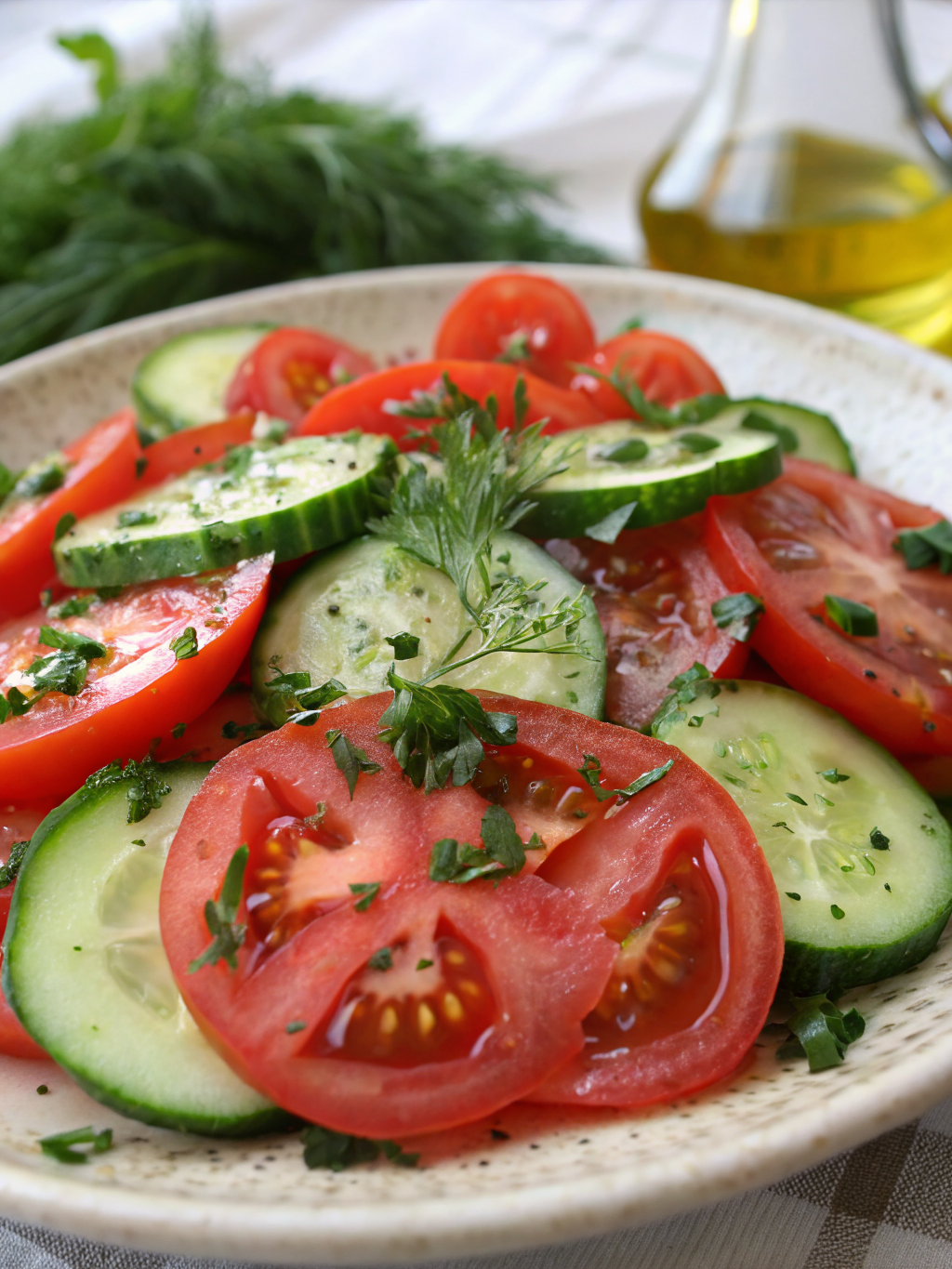
Gather these fresh, simple ingredients for your tomato cucumber salad:
- 3 medium tomatoes (about 1 pound), cut into bite-sized wedges—choose ripe, firm tomatoes for the best flavor; Roma or heirloom varieties work beautifully
- 2 medium cucumbers (about 1 pound), sliced into half-moons—English cucumbers offer less bitterness and fewer seeds
- 1 small red onion, thinly sliced—substitute with sweet onion or shallots for a milder flavor
- 3 tablespoons extra virgin olive oil—use high-quality oil for optimal taste
- 2 tablespoons red wine vinegar—apple cider vinegar or lemon juice work as alternatives
- 1 teaspoon dried oregano—fresh oregano (1 tablespoon) elevates the flavor profile
- ½ teaspoon salt—adjust to taste preference
- ¼ teaspoon black pepper—freshly ground offers superior flavor
- Optional: ¼ cup fresh parsley or basil, chopped—adds herbaceous freshness and visual appeal
Substitution Ideas: For a Mediterranean twist, add crumbled feta cheese or Kalamata olives. Those avoiding onions can substitute with thinly sliced radishes for crunch. For a protein boost, toss in chickpeas or white beans.
Timing
This 10 minute salad recipe is remarkably efficient:
- Preparation Time: 10 minutes
- Cooking Time: 0 minutes (no cooking required!)
- Total Time: 10 minutes
- Servings: 4-6 servings
According to culinary data, the average salad preparation takes approximately 15-20 minutes, making this recipe 40-50% faster than typical salad preparations. The time efficiency stems from minimal chopping and no complex cooking techniques—perfect for busy weeknights or last-minute entertaining.
Step-by-Step Instructions
Step 1: Prepare Your Vegetables
Wash your tomatoes and cucumbers thoroughly under cold running water. Pat them dry with a clean kitchen towel. Cut the tomatoes into quarters or wedges, depending on their size—aim for bite-sized pieces that showcase their juicy interiors. Slice the cucumbers into ¼-inch thick half-moons for optimal texture contrast.
Pro Tip: If your cucumbers have thick, waxy skins or large seeds, peel them partially in alternating strips for visual appeal, or scoop out the seeds with a spoon to prevent excess moisture.
Step 2: Slice the Onion
Peel and halve your red onion. Slice it as thinly as possible—paper-thin slices integrate better into the salad and provide flavor without overwhelming bite. If raw onion is too sharp for your preference, soak the slices in cold water for 5 minutes, then drain and pat dry. This reduces pungency by up to 60% while maintaining crunch.
Step 3: Combine the Vegetables
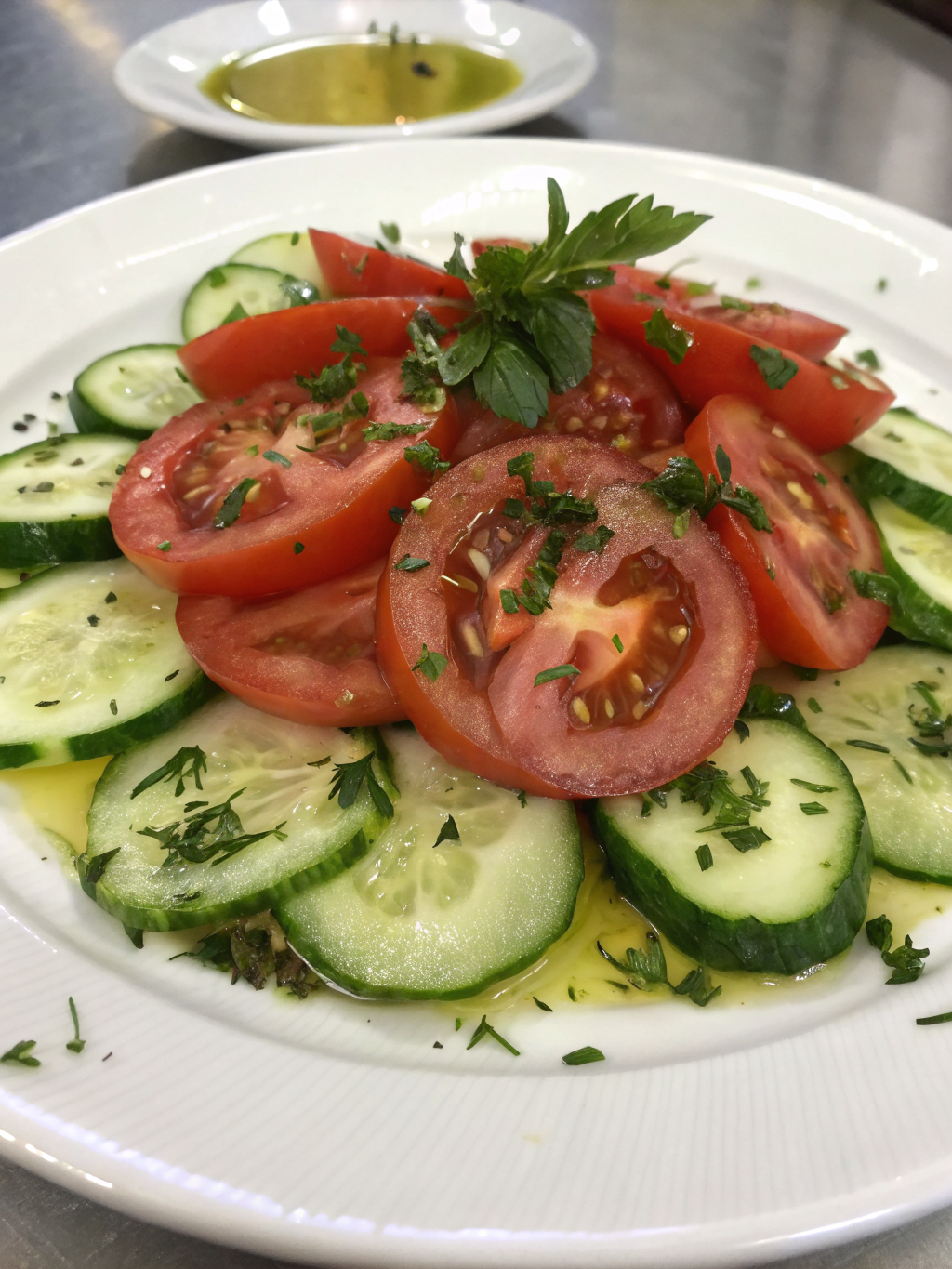
In a large mixing bowl, combine the chopped tomatoes, sliced cucumbers, and onion slices. Gently toss them together with clean hands or a large spoon to distribute the ingredients evenly. The visual contrast of red tomatoes, green cucumbers, and purple onions creates an appetizing presentation.
Step 4: Prepare the Dressing
In a small bowl or jar, whisk together the olive oil, red wine vinegar, dried oregano, salt, and black pepper. Whisk vigorously for 20-30 seconds until the mixture emulsifies slightly—this ensures even coating and prevents the oil and vinegar from separating quickly.
Chef’s Secret: Add a tiny pinch of sugar or a drop of honey to the dressing to balance the acidity and enhance the natural sweetness of the tomatoes.
Step 5: Dress and Toss
Pour the dressing over the vegetable mixture. Using two large spoons or salad tongs, gently toss the salad for about 30 seconds, ensuring every piece is lightly coated with the vinaigrette. Be careful not to over-mix, as this can bruise the vegetables and make them release excess moisture.
Step 6: Add Fresh Herbs and Serve
If using fresh parsley or basil, sprinkle it over the salad just before serving and give one final gentle toss. This preserves the vibrant green color and aromatic oils of the herbs. Serve immediately for the crispest texture, or refrigerate for 15-20 minutes to allow the flavors to meld.
Nutritional Information
Per serving (based on 6 servings):
- Calories: 85 kcal
- Total Fat: 7g (9% DV)
- Saturated Fat: 1g
- Monounsaturated Fat: 5g (heart-healthy fats from olive oil)
- Cholesterol: 0mg
- Sodium: 200mg (8% DV)
- Total Carbohydrates: 6g (2% DV)
- Dietary Fiber: 1.5g (6% DV)
- Sugars: 4g (naturally occurring)
- Protein: 1g
- Vitamin C: 15mg (25% DV)
- Vitamin K: 12mcg (15% DV)
- Potassium: 280mg (8% DV)
This healthy side dish is naturally low in calories and rich in antioxidants like lycopene from tomatoes and vitamin K from cucumbers. The olive oil provides beneficial monounsaturated fats that support cardiovascular health. According to nutritional studies, consuming salads regularly can increase overall vegetable intake by up to 30% and improve nutrient absorption.
Healthier Alternatives for the Recipe
Want to make this tomato cucumber salad even more nutritious? Consider these modifications:
- Reduce Sodium: Use only ¼ teaspoon of salt or substitute with herbs like fresh dill, cilantro, or mint for flavor without sodium.
- Add Whole Grains: Toss in cooked quinoa or farro to transform this side into a complete meal with additional fiber and protein.
- Increase Protein: Add grilled chicken, hard-boiled eggs, chickpeas, or white beans for a satisfying main dish.
- Boost Omega-3s: Sprinkle with hemp seeds, chia seeds, or chopped walnuts for healthy fats and texture.
- Dairy-Free Option: This recipe is naturally vegan and dairy-free; keep it that way or add nutritional yeast for a cheesy flavor without dairy.
- Lower Oil: Reduce olive oil to 2 tablespoons and add a tablespoon of water or vegetable broth to the dressing for fewer calories while maintaining moisture.
- Probiotic Boost: Add a tablespoon of plain Greek yogurt to the dressing for creaminess and gut-healthy probiotics.
Serving Suggestions
This versatile fresh garden salad pairs beautifully with numerous dishes:
- Grilled Proteins: Serve alongside grilled chicken, steak, fish, or lamb for a refreshing counterpoint to smoky, charred flavors.
- Mediterranean Feast: Pair with hummus, pita bread, falafel, and tzatziki for an authentic Middle Eastern spread.
- Barbecue Companion: This salad cuts through rich, heavy barbecue flavors—perfect with pulled pork, ribs, or brisket.
- Breakfast Enhancement: Top with a poached egg and avocado for a nutritious breakfast bowl.
- Pasta Pairing: Serve beside pasta primavera or spaghetti marinara for added freshness and vegetable intake.
- Wrap Filling: Use as a filling for whole wheat wraps or pita pockets with added protein.
- Grain Bowl Base: Layer over brown rice, couscous, or bulgur wheat with grilled vegetables for a complete meal.
Presentation Tip: Serve in a clear glass bowl to showcase the vibrant colors, or arrange on a large white platter for family-style dining. Garnish with lemon wedges and extra herbs for visual appeal.
Common Mistakes to Avoid
Even this simple salad recipe can benefit from avoiding these common pitfalls:
1. Using Out-of-Season Tomatoes: Winter tomatoes lack flavor and sweetness. If fresh tomatoes aren’t available, use cherry tomatoes or grape tomatoes, which maintain better flavor year-round.
2. Over-Salting Early: Adding salt too early draws moisture from vegetables, creating a watery salad. Salt just before serving or let diners season individually.
3. Cutting Vegetables Too Far in Advance: Chopped vegetables release moisture and lose crispness. Prepare no more than 1-2 hours before serving.
4. Skipping the Oil: Fat-soluble vitamins like lycopene in tomatoes require fat for absorption. Don’t skip the olive oil—it enhances both flavor and nutrition.
5. Overdressing: Too much dressing makes vegetables soggy and overwhelms their natural flavors. Start with less; you can always add more.
6. Using Dull Knives: Dull blades crush vegetables rather than cleanly slicing them, releasing excess moisture and affecting texture. Keep knives sharp for best results.
7. Not Adjusting Seasoning: Taste before serving and adjust salt, pepper, or vinegar as needed. Personal preference varies significantly.
Storing Tips for the Recipe
Maximize freshness with these storage strategies:
Refrigeration: Store undressed salad in an airtight container in the refrigerator for up to 2 days. Keep the dressing separate in a small jar or container to prevent sogginess. Dressed salad will keep for 1 day but will become softer and release liquid.
Prep Ahead: Chop vegetables up to 1 day in advance. Store in separate containers lined with paper towels to absorb excess moisture. Keep onions separate to prevent flavor transfer.
Dressing Storage: The vinaigrette keeps for up to 1 week in the refrigerator. Shake or whisk before using, as separation is natural.
Freezing: Not recommended. The high water content in tomatoes and cucumbers causes them to become mushy when thawed.
Revival Tip: If your salad becomes watery, drain the excess liquid and add fresh cucumber slices and a sprinkle of salt to refresh the texture.
Travel-Friendly: For potlucks or picnics, transport vegetables and dressing in separate containers. Combine just before serving. Keep cooled with ice packs to maintain food safety—salads should not sit at room temperature for more than 2 hours (1 hour if above 90°F).
Conclusion
This classic tomato cucumber salad exemplifies the beauty of simple, fresh cooking. With just seven basic ingredients and 10 minutes of your time, you can create a nutrient-dense, flavorful side dish that brightens any meal. The crisp vegetables, tangy dressing, and aromatic herbs combine to deliver a satisfying crunch and refreshing taste that appeals to all ages. Whether you’re seeking a healthy side dish for weeknight dinners, an easy summer salad for entertaining, or a reliable quick vegetable salad recipe to add to your repertoire, this timeless combination delivers every time.
The versatility of this recipe allows endless customization—adjust the vegetables, swap herbs, add proteins, or experiment with different vinegars to make it uniquely yours. Ready to experience the vibrant freshness of garden vegetables in their simplest, most delicious form? Grab your ingredients, sharpen your knife, and prepare this 10 minute salad recipe today. We’d love to hear how yours turned out—share your variations, serving suggestions, and feedback in the comments below. For more quick and healthy recipes that celebrate fresh ingredients, explore our collection of simple salad recipes and seasonal vegetable dishes. Happy cooking!
FAQs
Q: Can I make this tomato cucumber salad ahead of time?
A: You can prepare the vegetables up to 24 hours in advance and store them separately in the refrigerator. However, only dress the salad within 30 minutes of serving to maintain optimal texture and prevent sogginess. The dressing can be made up to a week ahead and stored in a sealed jar.
Q: What type of cucumbers work best for this salad?
A: English (hothouse) cucumbers are ideal because they have thinner skins, fewer seeds, and less bitterness. Persian cucumbers are another excellent choice. Standard garden cucumbers work fine if you peel them partially and remove the seeds for better texture.
Q: How can I reduce the strong onion flavor?
A: Soak thinly sliced onions in cold water for 5-10 minutes, then drain and pat dry. This removes sulfur compounds that cause pungency. Alternatively, use sweet onions like Vidalia, or substitute with milder shallots. You can also reduce the quantity to suit your taste.
Q: Is this salad suitable for meal prep?
A: Partially—you can prep and store the chopped vegetables separately for 1-2 days, but the salad is best enjoyed fresh. Once dressed, consume within 24 hours for best quality. The high water content in tomatoes and cucumbers causes them to release liquid over time.
Q: Can I add cheese to this recipe?
A: Absolutely! Crumbled feta cheese is a classic addition that adds creaminess and saltiness. Fresh mozzarella pearls or shaved Parmesan also work beautifully. Add cheese just before serving to prevent it from absorbing too much dressing.
Q: What other herbs complement this salad?
A: Fresh dill is phenomenal with cucumber, while basil pairs wonderfully with tomatoes. Mint adds unexpected freshness, and cilantro works if you enjoy its distinctive flavor. Experiment with different herbs to discover your favorite combination.
Q: How do I prevent my salad from becoming watery?
A: Salt draws moisture from vegetables, so add it just before serving. Choose firm, ripe tomatoes rather than overripe ones. If using cucumbers with large seeds, scoop them out. Drain any accumulated liquid before serving. Store dressed leftovers by draining excess liquid before refrigerating.
Q: Can I use dried herbs instead of fresh?
A: Yes, this recipe actually calls for dried oregano as the primary herb. Use about one-third the amount when substituting dried herbs for fresh, as dried herbs are more concentrated. Fresh herbs can be added as a garnish for maximum visual appeal and aroma.