Easy Homemade Nettle Tea in 10 Minutes
Table of Contents
Introduction
Did you know that nettle tea recipe has been used for centuries as a natural remedy for inflammation, allergies, and even blood pressure regulation? Despite its prickly reputation, the stinging nettle plant transforms into one of the most nourishing herbal teas you can prepare at home. This homemade nettle tea delivers powerful antioxidants, vitamins A, C, and K, plus essential minerals like iron and calcium—all in just 10 minutes. Whether you’re foraging fresh nettle tea from your garden or purchasing dried leaves from a health food store, learning how to make nettle tea is an essential skill for any herbal tea enthusiast. This comprehensive nettle tea recipe guide will walk you through every step, from selecting the best nettles to brewing the perfect cup, while highlighting nettle leaf tea benefits that have made this beverage a staple in traditional medicine worldwide. Get ready to discover why this quick herbal tea deserves a permanent place in your wellness routine, and how this stinging nettle tea recipe can be customized to suit your taste preferences.
Ingredients
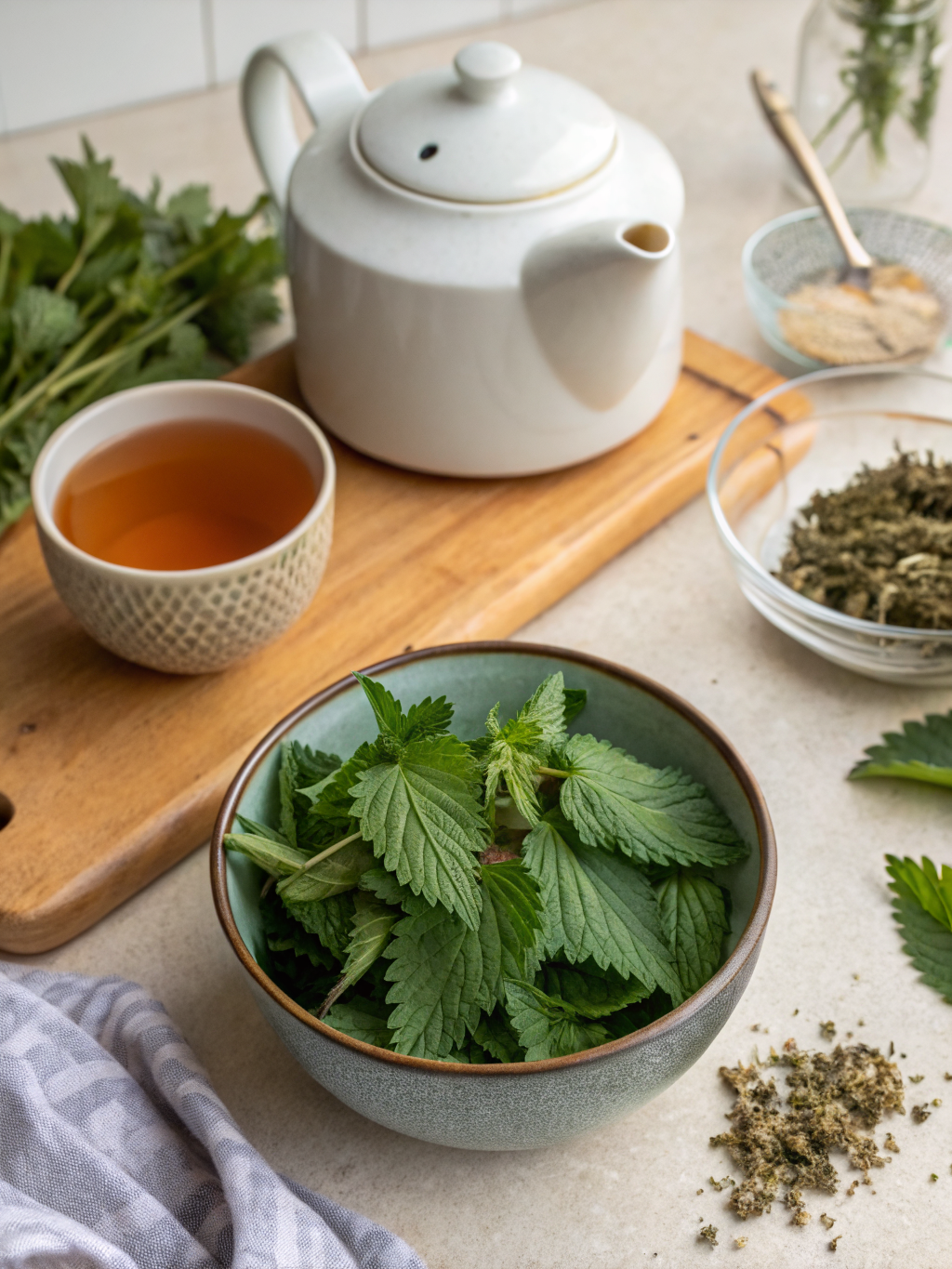
Creating the perfect nettle tea from fresh leaves requires minimal ingredients, yet the quality of each component significantly impacts the final flavor profile:
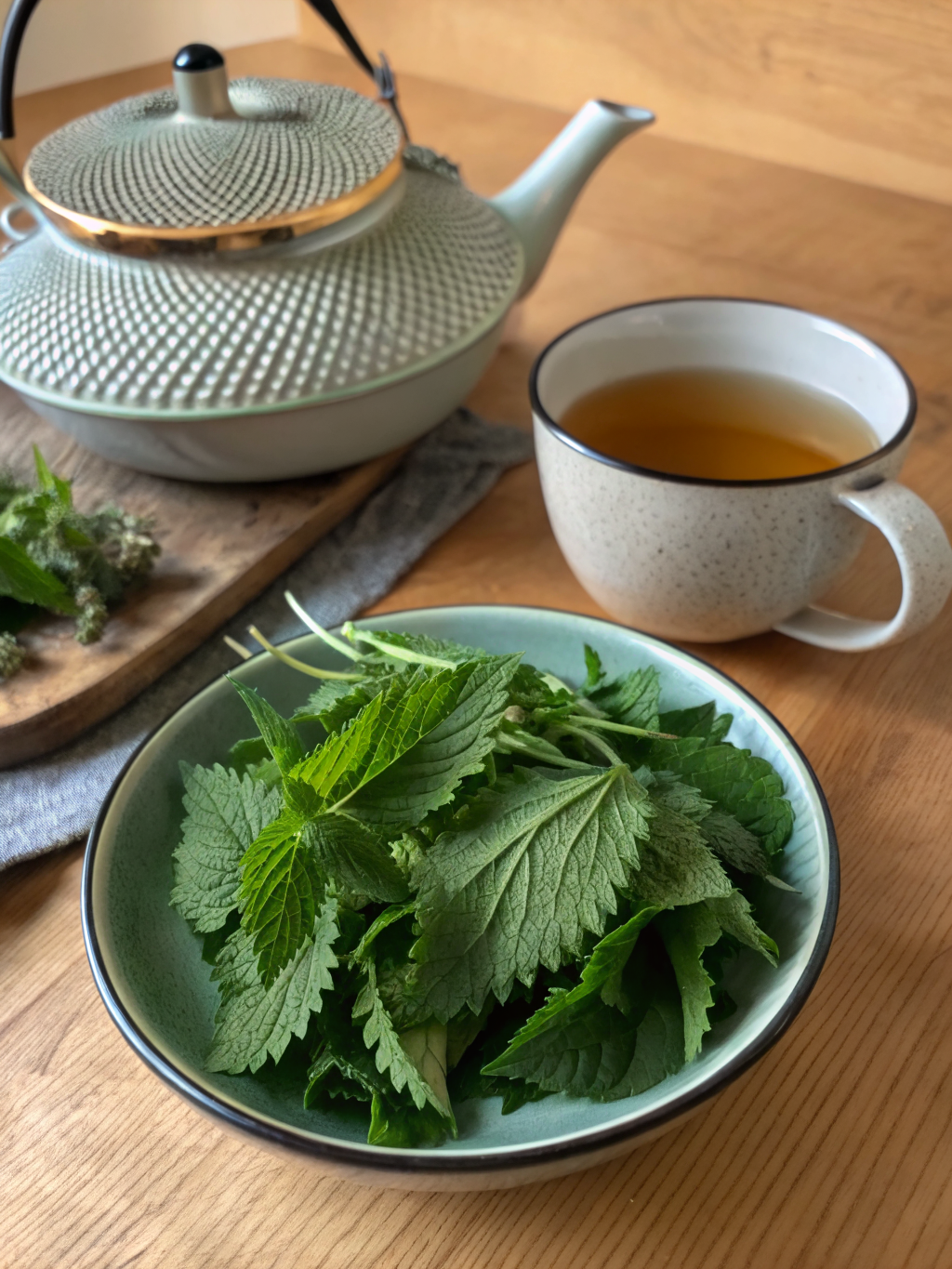
- 2 cups fresh stinging nettle leaves (or 2 tablespoons dried nettle leaves) – Look for vibrant green leaves without brown spots; fresh nettles provide a more robust, earthy flavor
- 4 cups filtered water – High-quality water enhances the tea’s clarity and taste
- 1-2 teaspoons raw honey (optional) – Adds natural sweetness and antimicrobial properties
- Fresh lemon juice (from half a lemon, optional) – Brightens the flavor and increases vitamin C absorption
- Fresh mint leaves (3-4 leaves, optional) – Complements the grassy notes with refreshing coolness
Substitutions:
- Replace fresh nettles with dried nettles at a 1:4 ratio (1 tablespoon dried = 4 tablespoons fresh)
- Swap honey with maple syrup or agave nectar for vegan options
- Use lime instead of lemon for a tropical twist
- Add ginger slices for warming, anti-inflammatory properties
Timing
This quick herbal tea recipe is remarkably efficient, making it perfect for busy mornings or afternoon wellness breaks:
- Preparation Time: 3 minutes (washing and measuring ingredients)
- Steeping Time: 5-7 minutes (optimal extraction of nutrients)
- Total Time: 10 minutes maximum
Compared to traditional herbal infusions that require 15-20 minutes, this homemade nettle tea saves you approximately 40% of brewing time while delivering equally impressive health benefits. The quick preparation ensures you can enjoy fresh nettle leaf tea even on the most hectic days.
Step-by-Step Instructions
Step 1: Harvest or Prepare Your Nettles
If using fresh nettles, wear protective gloves to avoid the stinging hairs on the leaves. Select young, tender leaves from the top 4-6 inches of the plant, ideally before flowering season. Rinse thoroughly under cold running water to remove any dirt or insects. For dried nettles, measure out 2 tablespoons and set aside.
Pro Tip: Harvest nettles in the spring when they’re most tender and nutrient-dense, offering up to 25% more minerals than mature plants.
Step 2: Boil the Water
Bring 4 cups of filtered water to a rolling boil in a medium saucepan or kettle. The temperature should reach approximately 212°F (100°C) for optimal extraction of the nettle’s beneficial compounds, including flavonoids and polyphenols.
Pro Tip: Using a kettle with temperature control? Set it to 200°F (93°C) to preserve delicate vitamins while still extracting minerals effectively.
Step 3: Add Nettles to Boiling Water
Once the water reaches a full boil, add your fresh or dried nettle leaves directly to the pot. If using a teapot, place nettles in a tea infuser or directly in the pot. Stir gently to ensure all leaves are submerged.
Pro Tip: Crushing fresh leaves slightly before adding releases more essential oils and enhances the earthy aroma.
Step 4: Steep for 5-7 Minutes
Remove the pot from heat and cover it with a lid to trap the steam and volatile compounds. Allow the nettle tea from fresh leaves to steep for 5-7 minutes. For a stronger, more medicinal brew, extend steeping time to 10 minutes.
Pro Tip: Research shows that steeping for 7 minutes extracts approximately 80% of available antioxidants, maximizing health benefits without bitterness.
Step 5: Strain and Serve
Using a fine-mesh strainer, pour the tea into your favorite mug, filtering out all nettle leaves. Add optional ingredients like honey and lemon juice to taste. The tea should have a vibrant green-gold color and a mild, slightly grassy flavor.
Pro Tip: Save the used nettle leaves for composting—they’re rich in nitrogen and make excellent fertilizer!
Nutritional Information
One 8-ounce serving of plain fresh nettle tea provides:
- Calories: 2-5 calories (virtually calorie-free)
- Vitamin A: 1,287 IU (26% DV)
- Vitamin C: 14 mg (23% DV)
- Vitamin K: 155 mcg (194% DV)
- Calcium: 40 mg (4% DV)
- Iron: 1.6 mg (9% DV)
- Magnesium: 35 mg (8% DV)
- Potassium: 297 mg (8% DV)
Studies indicate that nettle leaf tea benefits include anti-inflammatory properties from quercetin and other plant compounds that may reduce markers of inflammation by up to 29%. The high vitamin K content supports bone health and blood clotting, while iron contributes to healthy red blood cell production.
Healthier Alternatives for the Recipe
Transform your stinging nettle tea recipe into an even more nutritious powerhouse with these modifications:
Low-Glycemic Sweetener: Replace honey with stevia or monk fruit sweetener to keep blood sugar stable—ideal for those managing diabetes.
Immune-Boosting Addition: Add 1/4 teaspoon turmeric powder and a pinch of black pepper during steeping to increase anti-inflammatory curcumin absorption by up to 2,000%.
Detox Enhancement: Include 1 tablespoon dried dandelion root for additional liver support and gentle diuretic properties.
Protein Boost: Stir in 1 teaspoon of collagen peptides after brewing to support skin elasticity and joint health without altering the taste.
Adaptogenic Upgrade: Add 1/2 teaspoon ashwagandha powder for stress reduction and hormonal balance.
Serving Suggestions
Elevate your homemade nettle tea experience with these creative serving ideas:
Morning Energizer: Serve hot with a slice of lemon and a dash of cayenne pepper for a metabolism-boosting start to your day.
Afternoon Refresher: Brew double-strength tea, chill overnight, and serve over ice with fresh cucumber slices and mint for a cooling summer beverage.
Evening Ritual: Add chamomile flowers during steeping for a calming bedtime blend that promotes restful sleep.
Culinary Uses: Use cooled nettle tea as a liquid base for smoothies, overnight oats, or even as a cooking liquid for grains like quinoa and rice.
Tea Latte: Froth warm oat milk and pour over strained nettle tea, sweetening with vanilla extract and honey for a cozy, café-style drink.
Pairing Suggestions: Enjoy alongside whole-grain toast with avocado, a handful of almonds, or fresh fruit to enhance iron absorption from the tea.
Common Mistakes to Avoid
Over-Steeping: Leaving nettles in water for more than 15 minutes creates an overly bitter, astringent taste. Stick to 5-7 minutes for optimal flavor.
Using Poor-Quality Water: Tap water with high chlorine content masks the tea’s delicate flavor. Always use filtered or spring water.
Harvesting Mature Plants: Nettles harvested after flowering become tough and lose up to 30% of their nutritional value. Always select young, pre-flowering plants.
Skipping the Rinse: Unwashed nettles may contain dirt, insects, or environmental contaminants. Always rinse thoroughly, even when purchasing organic dried leaves.
Not Wearing Gloves: The formic acid in fresh nettle stingers causes temporary skin irritation. Always wear gloves when handling raw plants—boiling neutralizes the sting.
Drinking Too Much Initially: Start with one cup daily to assess tolerance. Some individuals experience mild digestive upset or diuretic effects when consuming large quantities immediately.
Storing Tips for the Recipe
Fresh Nettles: Store unwashed leaves in a perforated plastic bag in the refrigerator’s crisper drawer for up to 3 days. Wash only before use to prevent premature wilting.
Dried Nettles: Keep in an airtight glass container away from direct sunlight and moisture. Properly stored dried nettles maintain potency for up to 12 months.
Brewed Tea: Refrigerate leftover tea in a glass jar with a tight-fitting lid for up to 3 days. Reheat gently or enjoy cold—avoid microwaving, which can degrade beneficial compounds.
Ice Cube Method: Pour cooled tea into ice cube trays and freeze. Add nettle tea cubes to smoothies or other beverages for a nutritional boost that lasts up to 6 months.
Vacuum Sealing: For long-term storage of dried nettles, vacuum-seal in small portions to preserve color, aroma, and nutritional content for up to 24 months.
Freezing Fresh Leaves: Blanch fresh nettles for 30 seconds, shock in ice water, pat dry, and freeze in freezer bags for up to 6 months. Perfect for year-round tea-making.
Conclusion
This easy nettle tea recipe proves that powerful wellness beverages don’t require complicated preparation or exotic ingredients. In just 10 minutes, you can create a nutrient-dense, anti-inflammatory tea that supports immune function, bone health, and overall vitality. The versatility of how to make nettle tea means you can customize each cup to your taste preferences while reaping the extensive nettle leaf tea benefits documented by traditional herbalists and modern researchers alike. Whether you’re brewing fresh nettle tea from foraged leaves or using convenient dried herbs, this quick herbal tea fits seamlessly into any lifestyle. Ready to experience the transformative power of this ancient remedy? Brew your first cup today, experiment with the suggested variations, and discover why this stinging nettle tea recipe has stood the test of time. Share your brewing experiences in the comments below, and don’t forget to explore our other herbal tea recipes for more wellness-boosting beverages!
FAQs
Q: Can I drink nettle tea every day?
A: Yes, most people can safely consume 1-3 cups of nettle tea daily. However, if you’re pregnant, nursing, taking blood thinners, or have kidney problems, consult your healthcare provider before regular consumption.
Q: Does nettle tea contain caffeine?
A: No, nettle tea is naturally caffeine-free, making it an excellent choice for evening consumption or for those sensitive to stimulants.
Q: Will nettle tea help with seasonal allergies?
A: Research suggests that nettle’s natural antihistamine properties may reduce allergy symptoms by up to 48% in some individuals. Many people report relief from hay fever when consuming nettle tea regularly during allergy season.
Q: Can I use nettle tea bags instead of loose leaves?
A: Absolutely! Commercial nettle tea bags offer convenience and consistent dosing. However, loose dried leaves or fresh nettles typically provide superior flavor and potentially higher nutrient content.
Q: What does nettle tea taste like?
A: Fresh nettle tea has a mild, earthy, slightly grassy flavor similar to green tea but less astringent. It’s naturally smooth with subtle vegetal notes that pair well with lemon, honey, or mint.
Q: Where can I find fresh nettles?
A: Fresh nettles grow wild in temperate regions worldwide, particularly in moist, nutrient-rich soil near streams. You can also find them at farmers’ markets, specialty grocers, or grow them in your garden. Always positively identify plants before harvesting.
Q: Are there any side effects of drinking nettle tea?
A: Nettle tea is generally safe, but some people experience mild stomach upset, sweating, or increased urination due to its diuretic properties. Rarely, allergic reactions occur. Start with small amounts to assess tolerance.
Q: Can I sweeten nettle tea with sugar?
A: While you can use any sweetener, raw honey or natural alternatives like stevia complement nettle’s earthy flavor better than refined sugar and provide additional health benefits.