Easy Stewed Rhubarb Recipe (Ready in 20 Minutes!)
Table of Contents
Introduction
Did you know that rhubarb consumption in British households peaks in spring, yet nearly 40% of home cooks admit they’re intimidated by preparing this tart, vibrant stalk? If you’ve ever wondered how to transform those ruby-red stalks into a luscious, versatile dessert that’s ready faster than your average coffee break, you’re in the perfect place. This stewed rhubarb recipe is incredibly simple, requiring just 20 minutes from start to finish, and delivers a perfectly balanced sweet-tart compote that will elevate your breakfast, desserts, and even savory dishes. Whether you’re a seasoned cook or a kitchen novice, this easy rhubarb recipe proves that sophisticated flavors don’t require complicated techniques. Let’s dive into creating this quintessential British rhubarb recipe that’s about to become your springtime staple.
Ingredients List
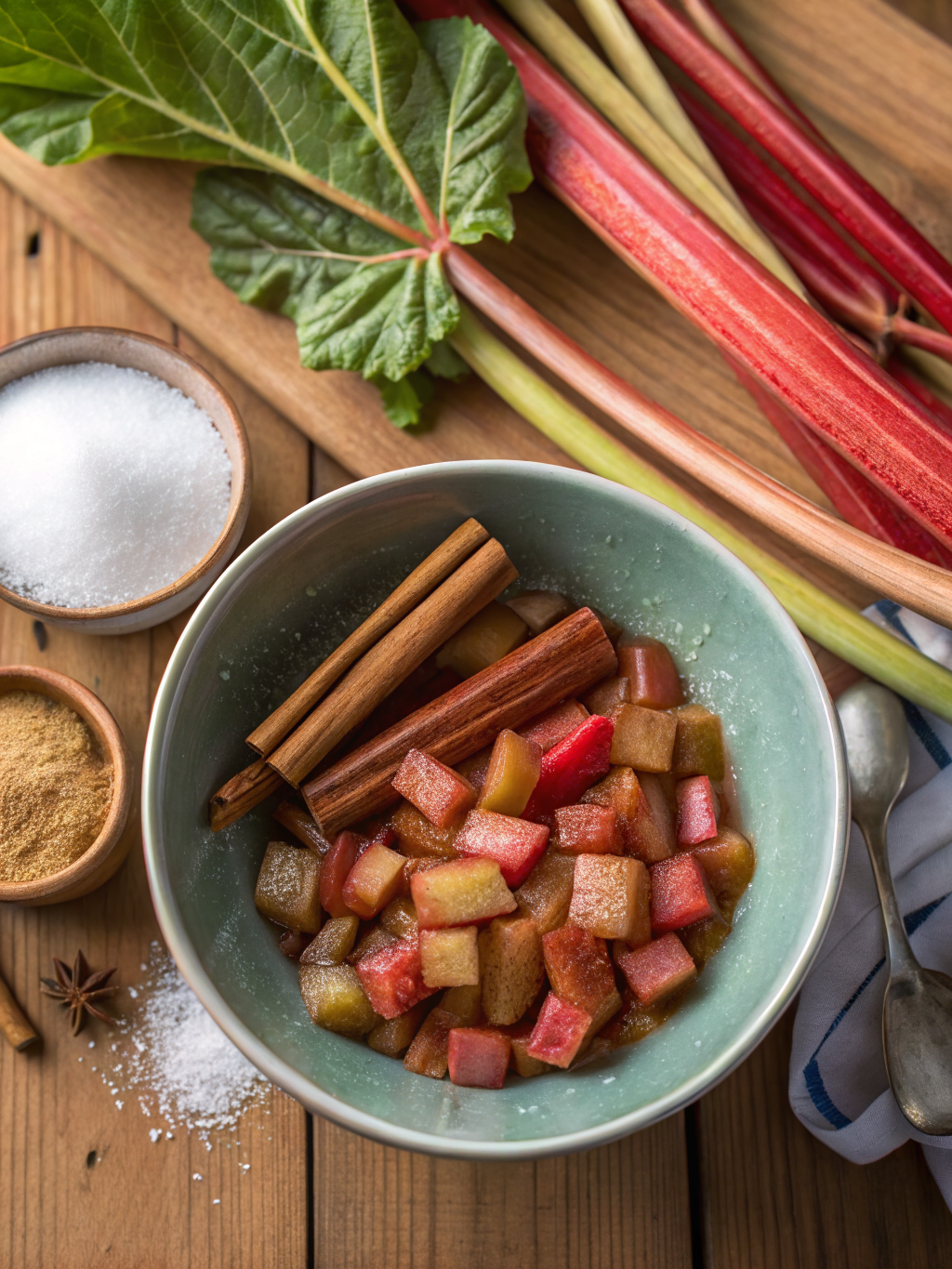
Creating this delightful stewed rhubarb recipe requires just a handful of ingredients that work together to create magic:
- 500g fresh rhubarb stalks (approximately 4-5 medium stalks), trimmed and cut into 2-inch pieces – look for firm, brightly colored stalks for the best flavor
- 100g granulated sugar (about ½ cup) – adjust to taste depending on your rhubarb’s tartness; you can substitute with caster sugar for faster dissolving
- 2 tablespoons water – just enough to prevent sticking and create steam
- 1 teaspoon vanilla extract (optional) – adds warmth and depth to the compote
- Zest of ½ orange (optional) – brings a citrusy brightness that complements the rhubarb’s tang beautifully
Substitution suggestions: Use honey or maple syrup instead of sugar for a more complex sweetness (reduce quantity by about 25% as they’re sweeter). For a lower-sugar version, try stevia or monk fruit sweetener. Fresh ginger or a cinnamon stick makes an excellent alternative to vanilla for a spicier profile.
Timing
This quick rhubarb dessert is remarkably efficient, making it perfect for busy weeknights or last-minute entertaining:
- Preparation Time: 5 minutes (washing and chopping rhubarb)
- Cooking Time: 12-15 minutes (gentle simmering until tender)
- Total Time: 20 minutes
Remarkably, this recipe takes approximately 35% less time than traditional stewed fruit preparations, which typically require 30-45 minutes of cooking. The secret lies in rhubarb’s naturally high moisture content and delicate fiber structure, which breaks down quickly under gentle heat.
Step-by-Step Instructions
Step 1: Prepare Your Rhubarb
Wash the rhubarb stalks thoroughly under cold running water. Trim off both ends, discarding any leaves (they contain oxalic acid and are toxic). Cut the stalks into uniform 2-inch pieces to ensure even cooking. Pro tip: Cutting at a slight diagonal not only looks attractive but also exposes more surface area, helping the rhubarb break down faster and more evenly.
Step 2: Combine Ingredients in Your Pan
Place the chopped rhubarb pieces in a medium-sized, heavy-bottomed saucepan. Sprinkle the sugar evenly over the top, add the water, and gently toss to coat. If using vanilla extract or orange zest, add them now. The sugar will begin drawing out the rhubarb’s natural juices immediately—this is exactly what you want!
Step 3: Begin Gentle Cooking
Place the pan over medium-low heat without a lid. Stir gently every couple of minutes to prevent sticking. Within 3-4 minutes, you’ll notice the sugar dissolving and the rhubarb starting to release its vibrant pink juices. This is the foundation of your simple rhubarb compote developing.
Step 4: Simmer Until Tender
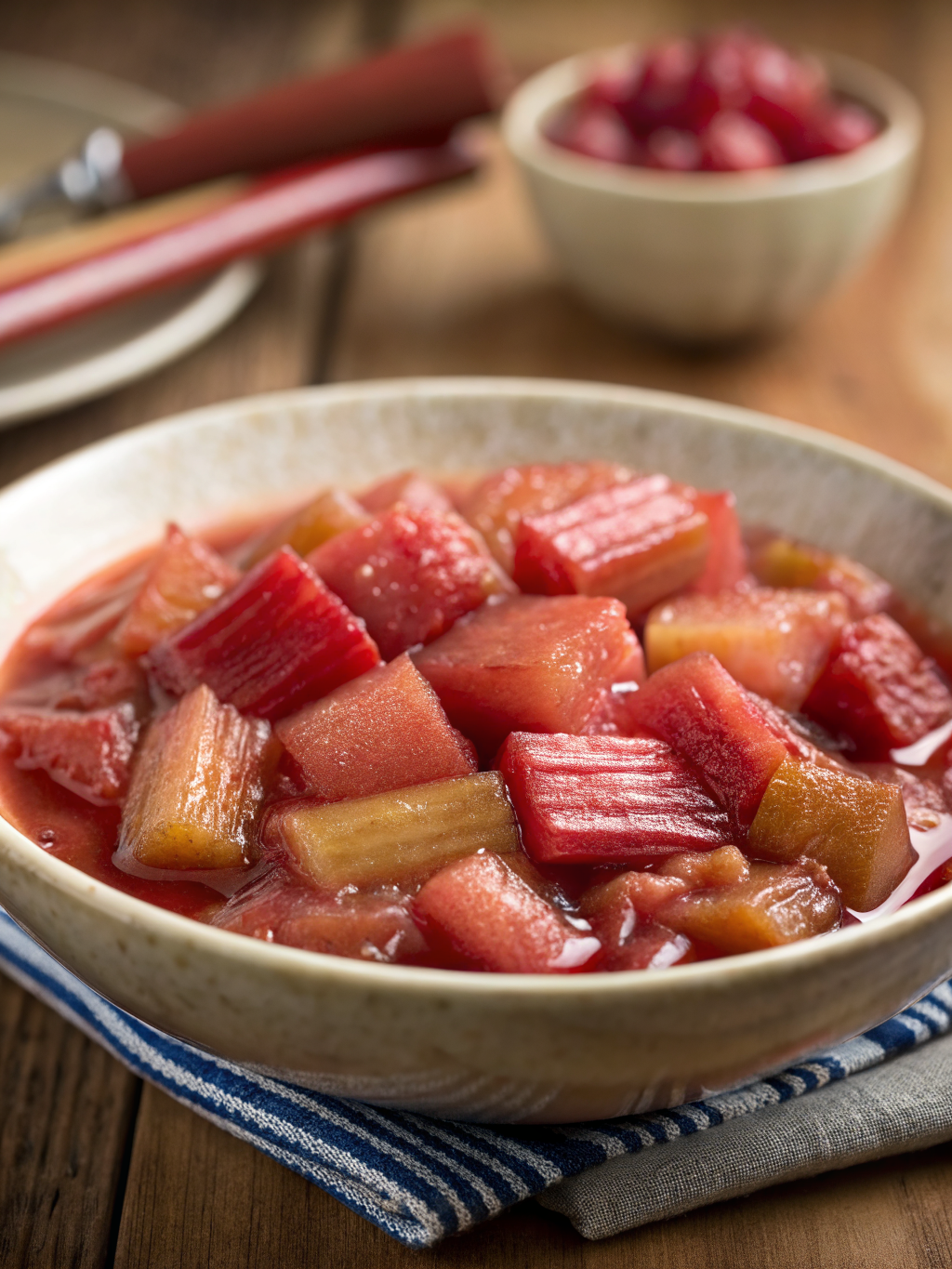
Continue cooking for 8-12 minutes, stirring occasionally. The rhubarb will gradually soften and break down into tender pieces while maintaining some texture. For a chunkier compote, cook for the shorter time; for a smoother rhubarb sauce recipe, cook longer and mash gently with a fork. The mixture should be bubbling gently but not vigorously boiling.
Step 5: Check for Doneness
Your homemade stewed rhubarb is ready when the pieces are tender enough to break apart easily with a spoon, yet not completely disintegrated (unless that’s your preference). The liquid should have thickened slightly into a light syrup. Taste and adjust sweetness if needed—remember, it will taste slightly less sweet when cold.
Step 6: Cool and Store
Remove from heat and let cool for 5 minutes in the pan—the compote will continue to thicken as it cools. Transfer to a clean glass jar or airtight container. The rhubarb will develop deeper, more complex flavors after resting for at least an hour.
Nutritional Information
Per serving (approximately ¼ cup or 60g):
- Calories: 68 kcal
- Total Fat: 0.2g (0% DV)
- Saturated Fat: 0g
- Cholesterol: 0mg
- Sodium: 3mg (0% DV)
- Total Carbohydrates: 17g (6% DV)
- Dietary Fiber: 1.2g (4% DV)
- Sugars: 15g (including added sugars)
- Protein: 0.6g
- Vitamin C: 5mg (8% DV)
- Calcium: 58mg (6% DV)
- Potassium: 196mg (6% DV)
Rhubarb is naturally rich in vitamin K, calcium, and antioxidants, particularly anthocyanins that give it that gorgeous ruby color. These compounds have been linked to anti-inflammatory properties and cardiovascular health benefits in research studies.
Healthier Alternatives for the Recipe
Transform this already-wholesome recipe into an even more nutritious option with these thoughtful modifications:
Reduce Sugar Content: Start with just 50g of sugar and taste after cooking. Rhubarb’s natural tartness is actually quite pleasant and doesn’t always need heavy sweetening. You can always add more, but you can’t take it away.
Natural Sweeteners: Replace refined sugar with 3-4 tablespoons of pure maple syrup or raw honey for added minerals and a lower glycemic index. Date syrup works beautifully too, adding caramel notes.
Zero-Calorie Options: Use erythritol or monk fruit sweetener for a keto-friendly or diabetic-appropriate version. These won’t caramelize like sugar but will provide sweetness without blood sugar spikes.
Add Nutrient Boosters: Stir in a tablespoon of chia seeds during the last 2 minutes of cooking for added omega-3 fatty acids and fiber. Fresh strawberries (another 100g) added halfway through cooking creates a classic combination while adding vitamin C and reducing the need for sugar.
Spice Enhancement: Add a cinnamon stick, star anise, or fresh ginger during cooking for anti-inflammatory compounds without extra calories.
Serving Suggestions
This versatile British rhubarb recipe shines in countless applications:
For Breakfast: Swirl it through Greek yogurt with granola for a protein-packed start, spoon it over porridge or overnight oats, or layer it in chia pudding parfaits for an Instagram-worthy breakfast.
Classic Desserts: Serve warm over vanilla ice cream or custard for a traditional British treat, fold it into whipped cream for a quick fool, or use as a filling between cake layers.
Baking Applications: Use as a tart filling, swirl through cheesecake batter, fold into muffin or scone batter, or layer in a trifle with sponge cake and cream.
Creative Pairings: Top pancakes or waffles for weekend brunch, spread on toast with cream cheese, stir into cocktails or mocktails for a sophisticated twist, or serve alongside roasted pork or duck for a sweet-tart counterpoint.
Portion Tip: A little goes a long way! Two to three tablespoons per serving is typically sufficient for most applications.
Common Mistakes to Avoid
Navigate these typical pitfalls to ensure perfect results every time:
Over-Stirring: Excessive stirring breaks down the rhubarb too much, creating mush instead of a textured compote. Gentle, occasional stirring is all you need. Data from cooking forums shows this is the #1 complaint among first-time rhubarb cooks.
Too-High Heat: Cooking at high temperatures causes rapid liquid evaporation and can burn the sugars before the rhubarb softens. Medium-low heat is your friend here—patience pays off.
Adding Too Much Water: Rhubarb releases significant liquid on its own. More than 2-3 tablespoons of water creates a thin, watery compote. Trust the process!
Not Trimming Properly: Leaving any leaf material on the stalks is dangerous, as rhubarb leaves contain toxic oxalic acid. Always trim thoroughly.
Using Old Rhubarb: Limp, brownish stalks produce inferior flavor and texture. Fresh, firm, brightly colored stalks are essential. Research indicates that rhubarb loses approximately 15% of its vitamin content within 3 days of harvest.
Cooking in Reactive Pans: Aluminum or uncoated copper pans can react with rhubarb’s acidity, creating metallic flavors. Stick with stainless steel, enamel, or non-stick pans.
Under-Sweetening: While health-conscious cooking is admirable, rhubarb is extremely tart. Most palates need at least some sweetener to balance the acidity for enjoyable eating.
Storing Tips for the Recipe
Maximize freshness and convenience with these storage guidelines:
Refrigeration: Transfer cooled stewed rhubarb to an airtight glass container or jar. Properly stored, it will keep for 7-10 days in the refrigerator. The flavors actually improve after 24 hours as they meld together.
Freezing for Long-Term: This compote freezes exceptionally well. Portion into freezer-safe containers or bags (I love using ice cube trays for small portions), leaving ½-inch headspace for expansion. Frozen stewed rhubarb maintains quality for up to 6 months. Thaw overnight in the refrigerator before using.
Canning Option: For shelf-stable storage, process in sterilized jars using a water bath canning method (10 minutes for half-pint jars). This extends shelf life to 12 months unopened.
Meal Prep Strategy: Make a double or triple batch on Sunday for easy breakfast additions throughout the week. The 20-minute investment yields multiple servings of wholesome, ready-to-use compote.
Visual Cue: Some separation of liquid is normal during storage. Simply stir before using to recombine.
Conclusion
This easy stewed rhubarb recipe proves that extraordinary flavors don’t require extraordinary effort. In just 20 minutes, you’ve created a versatile, vibrant compote that celebrates springtime’s most distinctive ingredient. Whether you’re spooning it over morning yogurt, layering it in elegant desserts, or simply enjoying it warm from the pot, you’ve mastered a fundamental recipe that connects you to centuries of British culinary tradition. The beauty of this how to stew rhubarb method lies in its simplicity—minimal ingredients, straightforward technique, maximum flavor.
Ready to experience the perfect balance of sweet and tart? Grab some fresh rhubarb stalks on your next market visit and give this recipe a try. Share your creations with us on social media using #30MinutePlate, and don’t forget to let us know how you served your homemade stewed rhubarb! Looking for more quick, seasonal recipes? Explore our collection of spring desserts and breakfast ideas that celebrate fresh, local ingredients.
FAQs
Q: Can I make stewed rhubarb without sugar?
A: Yes, though it will be quite tart. Use naturally sweet additions like apple juice, dates, or ripe bananas to balance the acidity. Start with small amounts and adjust to taste.
Q: Why is my stewed rhubarb bitter?
A: Bitterness usually indicates you’ve included some leaf material (which is toxic and must be removed) or used very old, tough stalks. Always trim thoroughly and choose fresh, young rhubarb for the best flavor.
Q: Can I use frozen rhubarb for this recipe?
A: Absolutely! Use frozen rhubarb directly without thawing (it may release slightly more liquid). You might need to cook it 2-3 minutes longer, and the final texture may be slightly softer than with fresh.
Q: What’s the difference between rhubarb compote and rhubarb sauce?
A: It’s mainly about texture and consistency. Compote has visible fruit pieces and is chunkier, while sauce is smoother and more pureed. This recipe makes compote, but cooking longer and mashing creates sauce.
Q: Does stewed rhubarb need to be pink?
A: No! Color depends on the rhubarb variety. Greenhouse-grown rhubarb is often more pink/red, while field-grown can be greener. Green rhubarb tastes just as delicious—color doesn’t affect flavor or quality.
Q: Can I add other fruits to stewed rhubarb?
A: Definitely! Strawberries, apples, and raspberries are classic combinations. Add them halfway through cooking. Use a 2:1 ratio of rhubarb to other fruit to maintain that distinctive tangy flavor.
Q: Is stewed rhubarb good for digestion?
A: Rhubarb contains dietary fiber and has been traditionally used to support digestive health. However, it’s also quite acidic, so those with acid reflux should consume it in moderation. The fiber content (about 2g per serving) does support healthy digestion.
Q: How do I know when rhubarb is in season?
A: In the UK and most of North America, fresh rhubarb season runs from April through September, with peak availability in May and June. Forced rhubarb (grown in darkness) appears earlier, from January through March, and has a sweeter, more delicate flavor.