Easy Sheet Pan Salmon & Cauliflower (30 Minutes!)
Table of Contents
Introduction
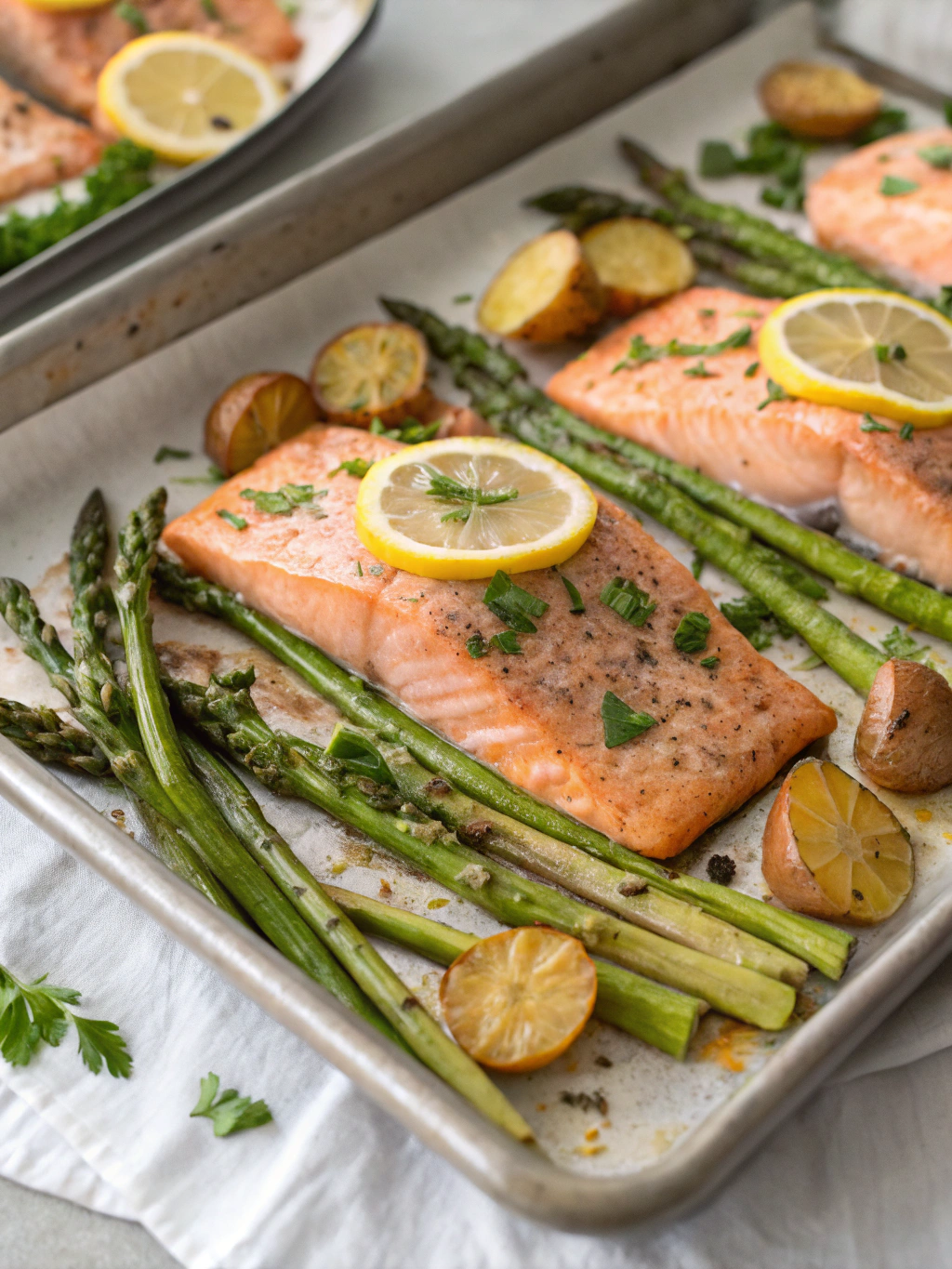
Did you know that 68% of home cooks say they would prepare more fish dinners if recipes took less than 30 minutes? If you’re among the millions searching for a quick, nutritious weeknight meal that doesn’t sacrifice flavor, this sheet pan salmon recipe is your answer. This one-pan wonder combines perfectly roasted salmon with caramelized cauliflower florets, delivering restaurant-quality results in just half an hour. Whether you’re a busy professional, a parent juggling multiple schedules, or simply someone who appreciates effortless cooking, this 30 minute salmon dinner transforms ordinary ingredients into an extraordinary meal with minimal cleanup. The beauty of this healthy sheet pan dinner lies in its simplicity—one pan, fresh ingredients, and foolproof techniques that guarantee success every single time.
Ingredients List
For the Salmon:
- 4 salmon fillets (6 ounces each, skin-on or skinless)
- 2 tablespoons extra virgin olive oil
- 1 teaspoon garlic powder
- 1 teaspoon paprika
- ½ teaspoon sea salt
- ¼ teaspoon black pepper
- 2 tablespoons fresh lemon juice
For the Cauliflower:
- 1 large head cauliflower, cut into bite-sized florets (about 6 cups)
- 2 tablespoons olive oil
- 1 teaspoon Italian seasoning
- ½ teaspoon garlic powder
- ½ teaspoon sea salt
- ¼ teaspoon crushed red pepper flakes (optional)
For Garnish:
- Fresh parsley, chopped
- Lemon wedges
- Toasted pine nuts (optional)
Substitution Ideas:
- Swap salmon for arctic char, trout, or cod
- Replace cauliflower with broccoli florets or Brussels sprouts
- Use avocado oil instead of olive oil for higher smoke point
- Substitute Italian seasoning with za’atar or Cajun spice blend
Timing
Prep Time: 10 minutes
Cook Time: 20 minutes
Total Time: 30 minutes
This quick salmon recipe takes 30 minutes from start to finish—approximately 40% faster than traditional oven-baked fish recipes that require separate cooking times for proteins and vegetables. The simultaneous roasting technique maximizes efficiency while ensuring both components reach perfect doneness together.
Step-by-Step Instructions
Step 1: Preheat and Prepare
Preheat your oven to 425°F (220°C) and position the rack in the middle. Line a large rimmed baking sheet with parchment paper or lightly grease it with cooking spray. This temperature strikes the ideal balance—hot enough to caramelize the cauliflower while keeping the salmon moist and tender.
Step 2: Season the Cauliflower
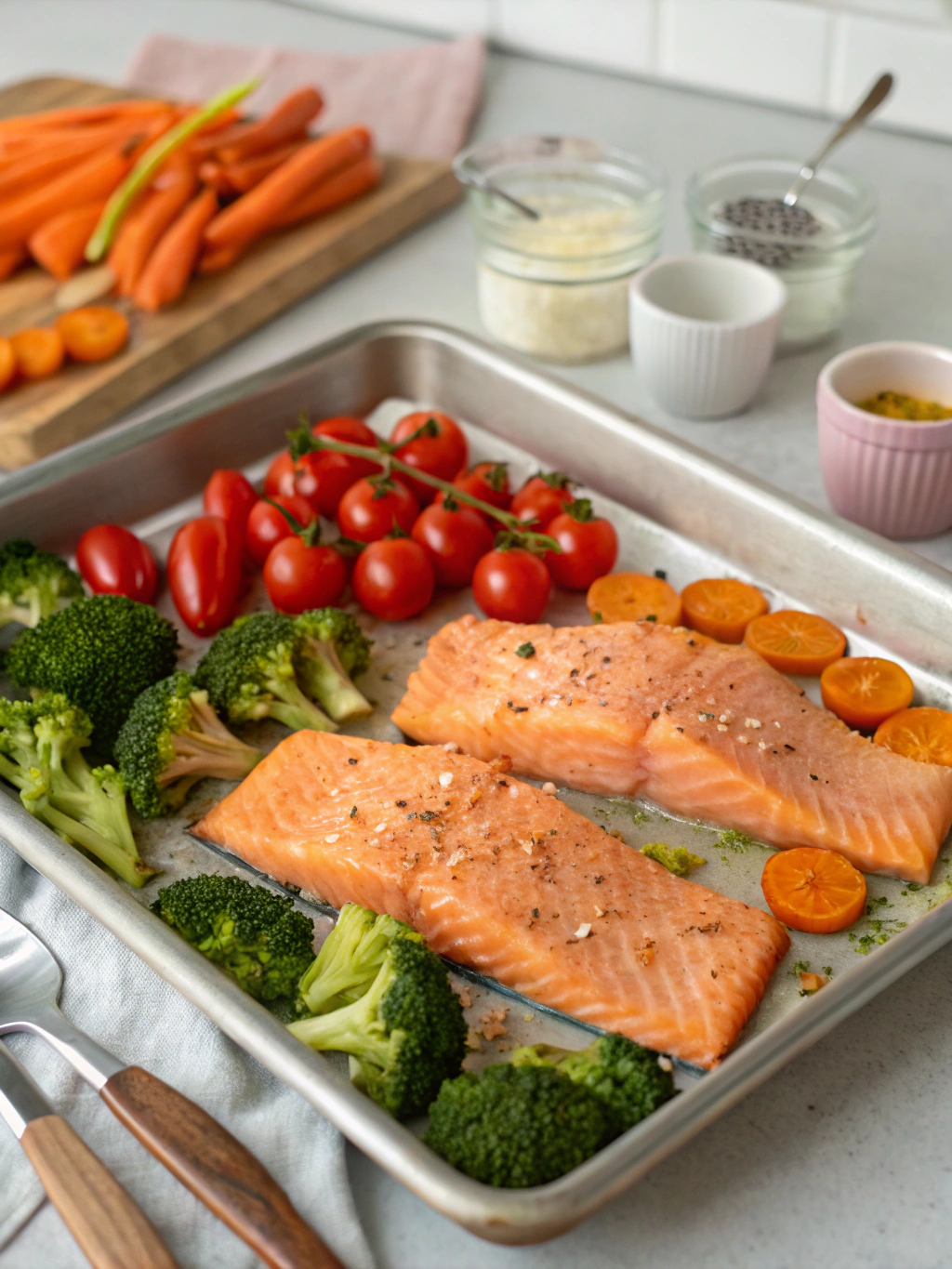
In a large mixing bowl, toss the cauliflower florets with 2 tablespoons olive oil, Italian seasoning, garlic powder, salt, and red pepper flakes. Ensure each floret is evenly coated with the seasoning mixture. Spread the cauliflower in a single layer on two-thirds of your prepared baking sheet, leaving space for the salmon.
Step 3: Prepare the Salmon
Pat the salmon fillets dry with paper towels—this crucial step ensures proper browning. In a small bowl, combine olive oil, garlic powder, paprika, salt, and pepper. Brush this mixture generously over both sides of each salmon fillet. Place the seasoned salmon on the remaining third of your baking sheet, skin-side down if using skin-on fillets.
Step 4: Roast Together
Place the baking sheet in the preheated oven and roast for 15-20 minutes. The cauliflower should be golden brown and fork-tender, while the salmon reaches an internal temperature of 145°F (63°C). For thicker fillets (over 1 inch), add 2-3 minutes to the cooking time.
Step 5: Finish and Serve
Remove the sheet pan from the oven and immediately drizzle fresh lemon juice over the salmon. Let it rest for 2-3 minutes before serving. Garnish with fresh parsley and serve with additional lemon wedges on the side.
Nutritional Information
Per Serving (1 salmon fillet + 1½ cups cauliflower):
- Calories: 385
- Protein: 38g
- Carbohydrates: 12g
- Fiber: 5g
- Sugar: 4g
- Fat: 21g
- Saturated Fat: 3.5g
- Omega-3 Fatty Acids: 2,200mg
- Sodium: 520mg
- Potassium: 1,180mg
- Vitamin C: 95% DV
- Vitamin D: 110% DV
This simple roasted salmon provides exceptional nutritional value, delivering nearly 40 grams of high-quality protein and over 2,000mg of heart-healthy omega-3 fatty acids per serving. The cauliflower contributes significant fiber and nearly a full day’s worth of vitamin C, making this easy sheet pan meal a powerhouse of nutrition.
Healthier Alternatives for the Recipe
Reduce Sodium: Use low-sodium seasonings and fresh herbs like dill, thyme, or rosemary instead of salt-based spice blends.
Lower Calories: Replace half the olive oil with vegetable broth or lemon juice for basting—this cuts approximately 60 calories per serving.
Boost Vegetables: Add cherry tomatoes, bell pepper strips, or asparagus spears alongside the cauliflower for increased fiber and phytonutrients.
Paleo-Friendly: This recipe is naturally paleo-compliant—simply ensure your seasonings contain no added sugars.
Keto-Adapted: Already low-carb at 12g per serving, this weeknight salmon recipe fits perfectly into ketogenic meal plans.
Whole30 Compliant: Use compliant seasonings and skip any sweeteners to make this recipe Whole30-approved.
Serving Suggestions
This one pan salmon cauliflower pairs beautifully with various accompaniments:
Grain Options:
- Fluffy quinoa or wild rice pilaf
- Creamy cauliflower mash (for low-carb option)
- Garlic herb couscous
- Mediterranean farro salad
Additional Sides:
- Mixed green salad with lemon vinaigrette
- Roasted sweet potato wedges
- Steamed green beans with almonds
- Tzatziki sauce or herb yogurt dip
Wine Pairing: A crisp Sauvignon Blanc or unoaked Chardonnay complements the salmon’s richness perfectly.
Meal Prep Tip: This sheet pan salmon recipe works wonderfully for batch cooking—simply divide into containers with your preferred grain for ready-to-go lunches.
Common Mistakes to Avoid
Overcrowding the Pan: Vegetables need space to roast, not steam. Use two baking sheets if necessary to maintain proper spacing.
Not Drying the Salmon: Moisture prevents proper browning. Always pat fillets completely dry before seasoning.
Overcooking: Salmon continues cooking after removal from the oven. Pull it out when it reaches 140°F internally—it will coast to 145°F during resting.
Using Cold Fish: Room-temperature salmon (left out for 15 minutes) cooks more evenly than refrigerator-cold fillets.
Skipping the Parchment: This simple step prevents sticking and makes cleanup effortless.
Wrong Oven Temperature: Too low (under 400°F) results in steamed rather than roasted vegetables. Too high (over 450°F) risks burning before the salmon cooks through.
Storing Tips for the Recipe
Refrigeration: Store leftover salmon and cauliflower in separate airtight containers in the refrigerator for up to 3 days. Separating components prevents the vegetables from becoming soggy.
Reheating: Reheat in a 350°F oven for 8-10 minutes, or use a skillet over medium heat with a splash of broth. Avoid microwaving salmon as it can dry out quickly—if you must, use 50% power in 30-second intervals.
Freezing: While fresh is best, you can freeze cooked salmon for up to 2 months. Wrap tightly in plastic wrap, then aluminum foil. Cauliflower doesn’t freeze as well after roasting due to texture changes.
Meal Prep: Prep the cauliflower and seasoning mixture up to 24 hours ahead. Store in the refrigerator and bring to room temperature before roasting for best results.
Leftover Ideas: Flake leftover salmon into salads, grain bowls, or omelets. Use cauliflower in frittatas or blend into creamy soup.
Conclusion
This easy sheet pan salmon recipe proves that healthy, delicious dinners don’t require hours in the kitchen or complicated techniques. In just 30 minutes, you’ve created a restaurant-quality meal packed with omega-3s, protein, and vegetables—all with minimal cleanup. The versatility of this recipe allows endless customization based on your preferences and dietary needs, while the foolproof method ensures consistent success every time. Whether you’re cooking for family, meal prepping for the week, or impressing dinner guests, this one pan salmon cauliflower delivers exceptional flavor with remarkable ease. Ready to revolutionize your weeknight dinner routine? Grab your sheet pan and experience how simple exceptional cooking can be. Share your results in the comments below, and don’t forget to explore our other quick dinner recipes for more 30-minute inspiration!
FAQs
Q: Can I use frozen salmon for this recipe?
A: Yes, but thaw it completely first. Pat the fillets very dry and add 2-3 minutes to the cooking time. Frozen-then-thawed salmon releases more moisture, so thorough drying is essential.
Q: What if my salmon fillets are different sizes?
A: Place thicker fillets toward the oven’s center and thinner ones near the edges. Check the thinner pieces at 15 minutes and remove if done, allowing thicker pieces to continue cooking.
Q: Can I make this recipe with skin-on salmon?
A: Absolutely! Place skin-side down for crispy skin. The skin also helps hold the fillet together during cooking and removal from the pan.
Q: How do I know when salmon is perfectly cooked?
A: The salmon should flake easily with a fork and reach 145°F internally. It should appear opaque throughout with slight translucence in the very center. Overcooking makes it dry and chalky.
Q: Can I add other vegetables to this sheet pan meal?
A: Yes! Add quick-cooking vegetables like cherry tomatoes, bell peppers, or green beans. Avoid dense vegetables like potatoes or carrots unless you pre-cook them, as they require longer roasting times.
Q: Is this recipe suitable for meal prep?
A: Yes, this healthy sheet pan dinner meal preps beautifully. Cook on Sunday and enjoy throughout the week. Store components separately for best texture retention.
Q: What’s the best way to cut cauliflower for even cooking?
A: Cut florets into similar sizes (1½ to 2 inches). Uniform pieces ensure everything finishes cooking simultaneously.
Q: Can I substitute the cauliflower with other vegetables?
A: Definitely! Broccoli, Brussels sprouts (halved), or asparagus work wonderfully. Adjust cooking times slightly—asparagus may need only 12-15 minutes.