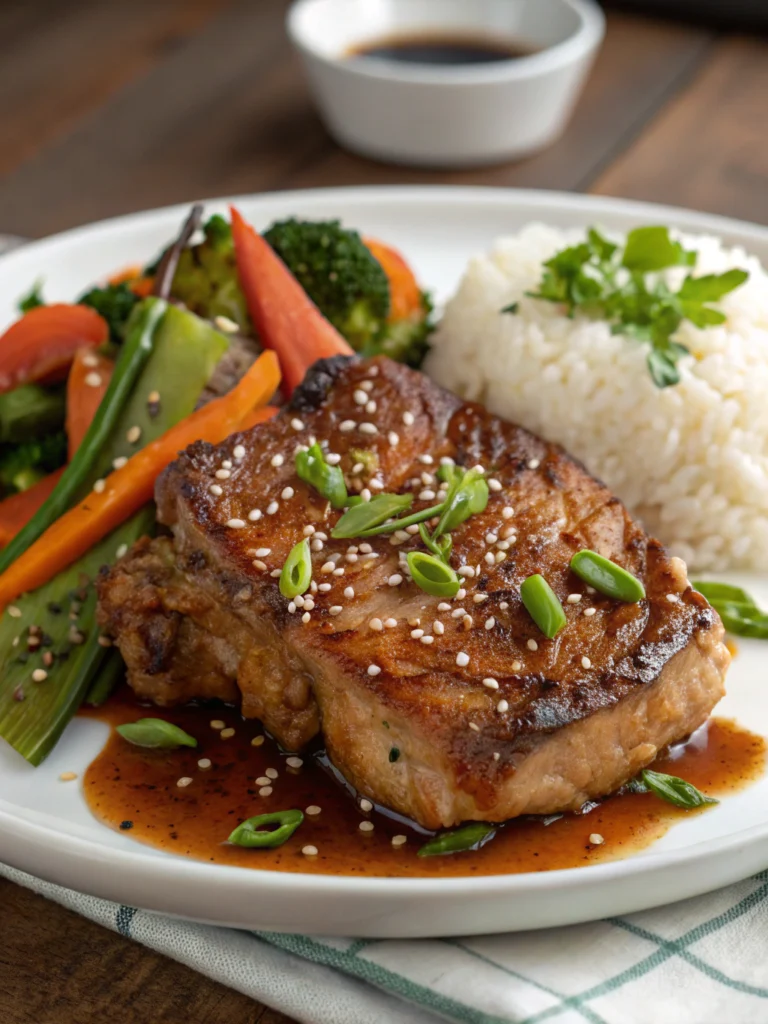
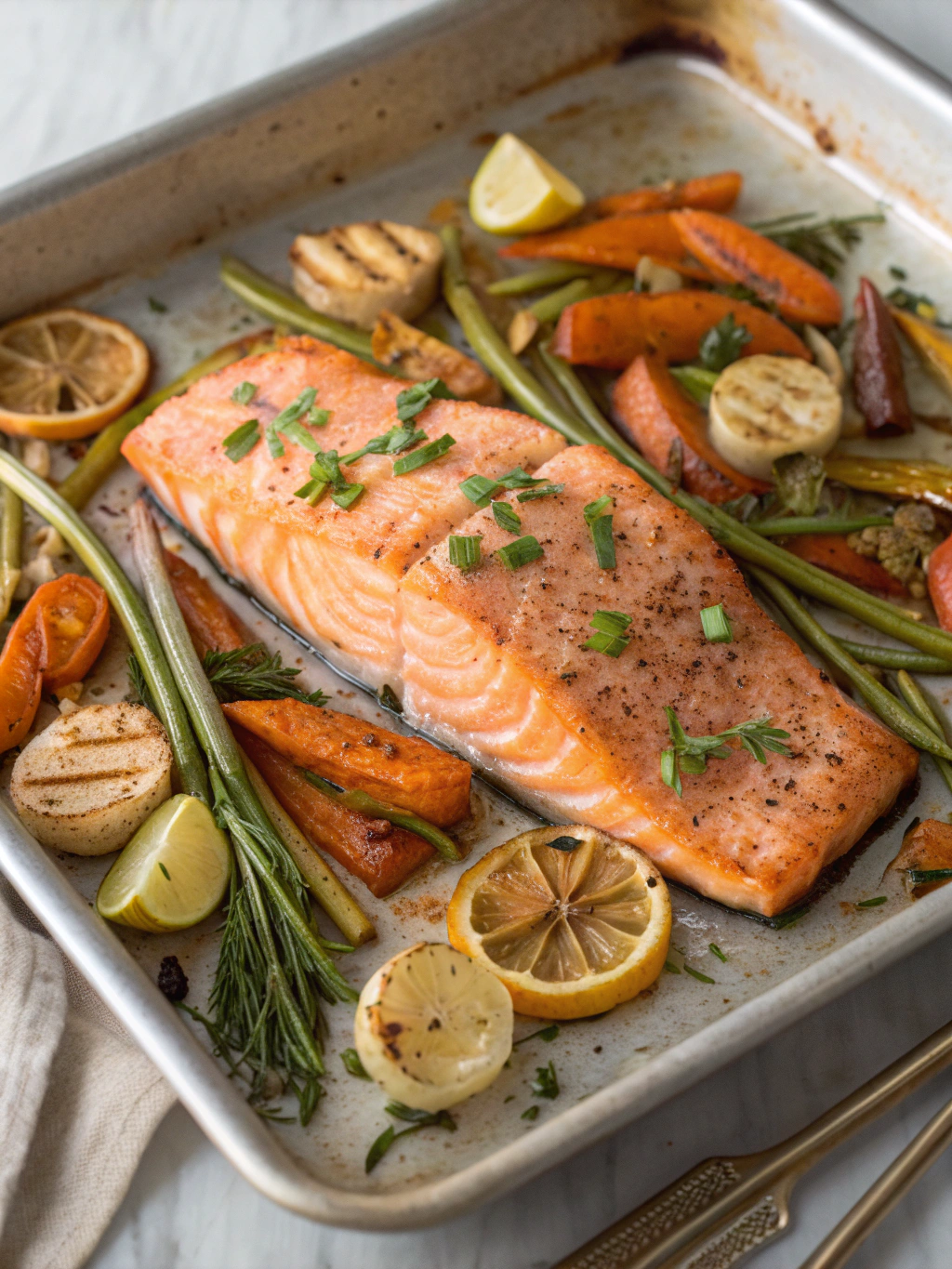
Easy 30-Minute Sheet Pan Chinese Salmon Dinner
Table of Contents
Introduction
Did you know that 68% of home cooks abandon weeknight dinner plans because they believe healthy, flavorful meals take too long to prepare? What if you could break free from this misconception and create a restaurant-quality Chinese-inspired salmon dinner in just 30 minutes using a single pan? This sheet pan salmon recipe revolutionizes your weeknight cooking routine by combining tender, flaky salmon with crispy vegetables, all glazed in a savory-sweet Asian sauce that rivals your favorite takeout. Perfect for busy professionals, parents, and anyone craving a healthy salmon dinner without the hassle, this one-pan wonder delivers maximum flavor with minimal cleanup. The beauty of sheet pan meals lies in their simplicity—everything cooks simultaneously, allowing you to spend less time in the kitchen and more time enjoying your delicious creation.
Ingredients List
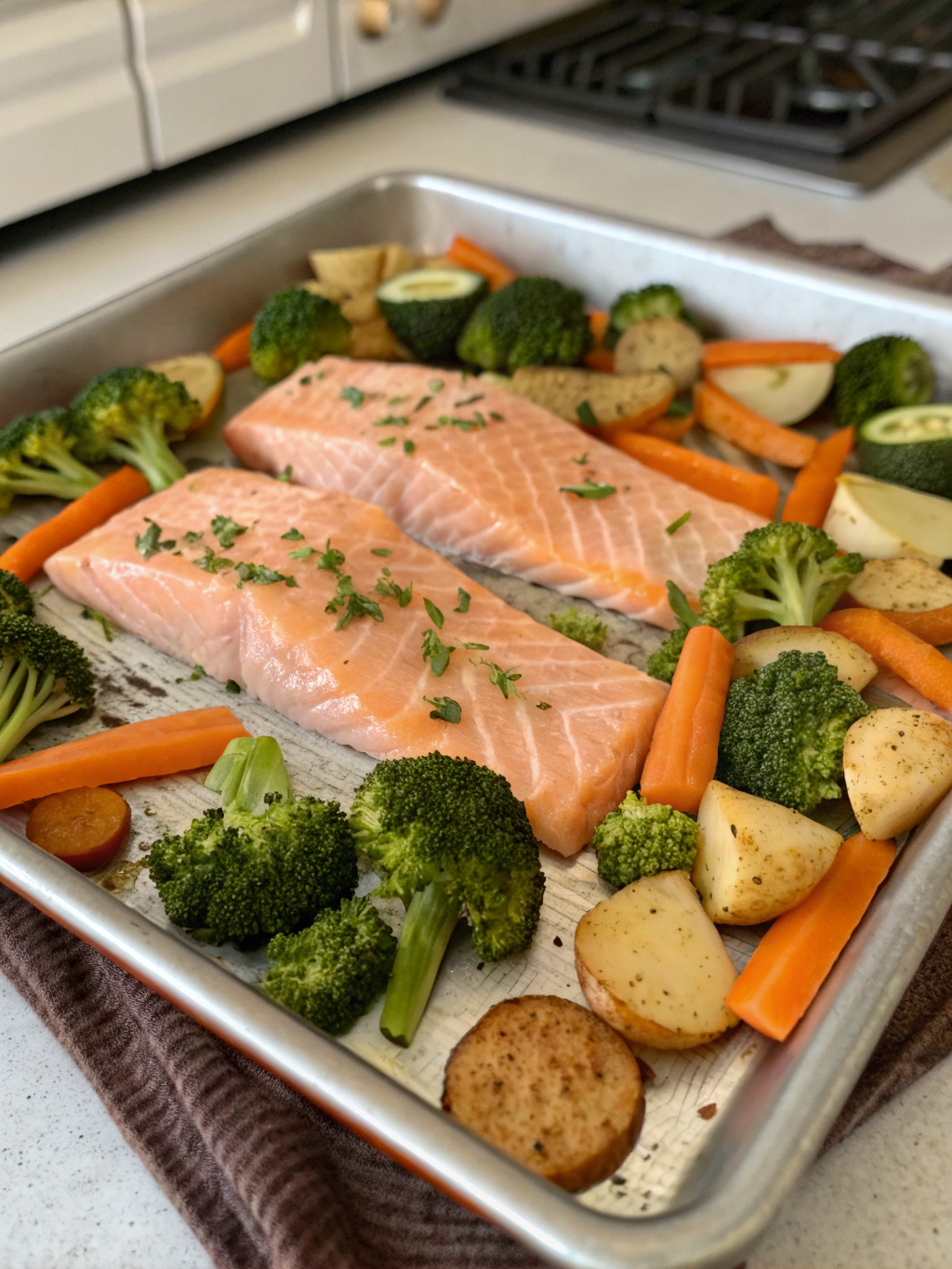
For the Salmon and Vegetables:
- 4 salmon fillets (6 oz each, skin-on or skinless)
- 2 cups broccoli florets (substitute: snap peas or green beans)
- 1 red bell pepper, cut into 1-inch pieces
- 1 yellow bell pepper, cut into 1-inch pieces
- 1 medium red onion, sliced into wedges
- 2 tablespoons olive oil or avocado oil
- Salt and black pepper to taste
- Sesame seeds for garnish
- 2 green onions, sliced
For the Chinese Glaze:
- 3 tablespoons soy sauce (or tamari for gluten-free)
- 2 tablespoons honey (substitute: maple syrup or agave)
- 1 tablespoon rice vinegar
- 1 tablespoon sesame oil
- 2 cloves garlic, minced
- 1 teaspoon fresh ginger, grated
- 1 teaspoon sriracha or chili garlic sauce (optional, for heat)
- 1 teaspoon cornstarch mixed with 1 tablespoon water
Optional Add-ins:
- 1 cup snow peas
- 1 cup sliced mushrooms
- Fresh cilantro for garnish
Timing
Preparation Time: 10 minutes
Cooking Time: 20 minutes
Total Time: 30 minutes
This 30 minute salmon dinner is remarkably efficient—approximately 40% faster than traditional stovetop methods that require multiple pans and constant monitoring. By utilizing your oven’s consistent heat distribution, you’ll achieve perfectly cooked salmon with caramelized edges while simultaneously roasting vegetables to crispy-tender perfection. The streamlined timing makes this an ideal weeknight sheet pan dinner for even the busiest schedules.
Step-by-Step Instructions
Step 1: Preheat and Prep Your Sheet Pan
Preheat your oven to 425°F (220°C) and line a large rimmed baking sheet with parchment paper or lightly grease it with cooking spray. This temperature is crucial for achieving that perfect balance of crispy exteriors and tender interiors. Position your oven rack in the center for optimal heat circulation.
Step 2: Prepare the Chinese Glaze
In a small bowl, whisk together soy sauce, honey, rice vinegar, sesame oil, minced garlic, grated ginger, and sriracha (if using). Set aside 2 tablespoons of this glaze in a separate bowl for finishing. To the remaining glaze, add the cornstarch slurry and whisk until smooth. This simple Asian salmon recipe glaze will transform basic ingredients into an extraordinary flavor experience.
Step 3: Arrange Vegetables on the Sheet Pan
Scatter the broccoli florets, bell pepper pieces, and red onion wedges across the prepared sheet pan. Drizzle with olive oil, season generously with salt and pepper, and toss to coat evenly. Spread the vegetables in a single layer, leaving space in the center or on one side for the salmon fillets.
Step 4: Season and Place the Salmon
Pat the salmon fillets dry with paper towels (this ensures better browning). Place them skin-side down on the sheet pan among the vegetables. Season the salmon with a pinch of salt and pepper. Using a pastry brush or spoon, generously coat each fillet with the prepared Chinese glaze, reserving some for later.
Step 5: Roast to Perfection
Place the sheet pan in the preheated oven and roast for 12-15 minutes. The salmon is done when it flakes easily with a fork and reaches an internal temperature of 145°F (63°C). The vegetables should be tender with slightly charred edges. For those following proper salmon cooking techniques, this roasting method ensures moist, flavorful results every time.
Step 6: Add Final Touches
Remove the sheet pan from the oven and immediately brush the reserved fresh glaze over the salmon fillets. Sprinkle with sesame seeds and sliced green onions. Let rest for 2-3 minutes before serving to allow the juices to redistribute.
Nutritional Information
Per Serving (1 salmon fillet with vegetables):
- Calories: 385
- Protein: 36g
- Carbohydrates: 18g
- Dietary Fiber: 3g
- Sugars: 11g
- Total Fat: 18g
- Saturated Fat: 3g
- Omega-3 Fatty Acids: 2.2g
- Cholesterol: 85mg
- Sodium: 680mg
- Potassium: 875mg
- Vitamin A: 45% DV
- Vitamin C: 180% DV
- Calcium: 6% DV
- Iron: 12% DV
This healthy salmon dinner provides an excellent source of heart-healthy omega-3 fatty acids, lean protein, and antioxidant-rich vegetables. Studies show that consuming salmon twice weekly can reduce cardiovascular disease risk by up to 30%.
Healthier Alternatives for the Recipe
Transform this already nutritious easy Chinese salmon into an even lighter option with these smart swaps:
Reduce Sugar: Replace honey with a sugar-free alternative like monk fruit sweetener or reduce the amount to 1 tablespoon for a 35% calorie reduction in the glaze.
Lower Sodium: Use low-sodium soy sauce or coconut aminos to cut sodium content by half while maintaining that essential umami flavor.
Add More Vegetables: Increase the vegetable-to-salmon ratio by adding zucchini, asparagus, or cauliflower florets. This boosts fiber content and creates more volume for fewer calories.
Use Wild-Caught Salmon: Opt for wild-caught varieties which typically contain higher omega-3 levels and fewer contaminants than farm-raised options.
Grain Addition: Serve over cauliflower rice instead of white rice to reduce carbohydrates by 75% while adding extra vegetables to your meal.
Oil Modification: Use an olive oil spray instead of drizzling to reduce total fat content by approximately 50 calories per serving.
Serving Suggestions
Elevate your simple salmon recipe with these creative and delicious serving ideas:
Over Grains: Serve atop steamed jasmine rice, brown rice, quinoa, or rice noodles to soak up the flavorful glaze. The combination creates a complete, satisfying meal.
With Asian Slaw: Pair with a crunchy cabbage and carrot slaw dressed in rice vinegar for added texture and freshness that complements the rich salmon.
Lettuce Wraps: Flake the cooked salmon and serve with vegetables in butter lettuce cups for a low-carb, interactive dinner experience perfect for casual entertaining.
Meal Prep Bowls: Divide into four containers with your choice of grain and extra vegetables for ready-to-go lunches throughout the week.
Family Style: Present the entire sheet pan at the table for a rustic, Instagram-worthy presentation that encourages family-style dining and conversation.
With Garnishes: Offer additional toppings like crushed peanuts, fresh cilantro, lime wedges, and extra sriracha to let each diner customize their plate.
Common Mistakes to Avoid
Learn from these frequent pitfalls to ensure your sheet pan salmon recipe turns out perfectly every time:
Overcrowding the Pan: Leaving insufficient space between ingredients creates steam rather than roasting, resulting in soggy vegetables. Use two sheet pans if necessary to maintain proper spacing.
Overcooking Salmon: Salmon continues cooking after removal from the oven. Pull it out when it’s slightly underdone in the center (around 140°F) to prevent dry, chalky fish.
Not Drying the Salmon: Excess moisture on salmon surfaces prevents proper browning and caramelization. Always pat dry with paper towels before seasoning.
Using Cold Salmon: Room-temperature salmon cooks more evenly than refrigerator-cold fish. Remove from the fridge 15 minutes before cooking.
Inconsistent Vegetable Sizes: Cutting vegetables into different sizes leads to uneven cooking. Aim for uniform 1-inch pieces for consistent results.
Skipping the Glaze Reserve: Applying all the glaze before cooking can lead to burning. Always reserve some fresh glaze to brush on after cooking for vibrant flavor.
Wrong Oven Temperature: Temperatures below 400°F won’t achieve proper caramelization, while temperatures above 450°F may burn the glaze before the salmon cooks through.
Storing Tips for the Recipe
Maximize the longevity and quality of your quick sheet pan meals with these storage strategies:
Refrigeration: Store cooked salmon and vegetables in an airtight container in the refrigerator for up to 3 days. Keep the salmon and vegetables in separate compartments if possible to maintain optimal texture.
Reheating: Reheat gently in a 325°F oven for 8-10 minutes or in the microwave at 50% power in 30-second intervals. Avoid high heat which dries out salmon.
Freezing: While fresh is best, you can freeze cooked salmon for up to 2 months. Wrap individual portions tightly in plastic wrap, then aluminum foil. Thaw overnight in the refrigerator before reheating.
Meal Prep Strategy: Cook the vegetables and salmon separately if planning to store for more than 2 days. This prevents the vegetables from becoming overly soft.
Glaze Storage: Extra glaze keeps for up to 1 week refrigerated in an airtight container. Make a double batch to have ready for quick weeknight meals.
Raw Ingredients: If prepping ahead, cut vegetables and store in containers up to 2 days before cooking. Prepare the glaze up to 3 days in advance.
Conclusion
This 30 minute salmon dinner proves that healthy, delicious home cooking doesn’t require hours in the kitchen or a sink full of dishes. By mastering this sheet pan salmon recipe, you’re equipped with a versatile formula that adapts to your preferences, dietary needs, and whatever vegetables are in your crisper drawer. The combination of protein-rich salmon, colorful vegetables, and an irresistible Chinese-inspired glaze creates a balanced meal that satisfies both your nutritional needs and your taste buds. Whether you’re cooking for picky eaters, health-conscious family members, or hosting a casual dinner party, this weeknight sheet pan dinner delivers consistent, impressive results. Ready to transform your dinner routine? Grab your sheet pan, preheat that oven, and experience the joy of stress-free cooking tonight. Don’t forget to share your creation on social media and tag us—we love seeing your culinary successes! For more time-saving recipes and cooking tips, explore our collection of quick weeknight dinners that prove healthy eating can be simple, satisfying, and absolutely delicious.
FAQs
Q: Can I use frozen salmon for this recipe?
A: Yes, but ensure it’s completely thawed and patted very dry before cooking. Frozen salmon releases more moisture during cooking, which can prevent proper browning. Thaw in the refrigerator overnight for best results.
Q: What if I don’t have a sheet pan large enough?
A: Use two smaller sheet pans or cook in batches. You can also roast the vegetables first for 10 minutes, then add the salmon and continue cooking. Overcrowding compromises the quality of this quick sheet pan meal.
Q: How do I know when the salmon is perfectly cooked?
A: The salmon should flake easily when tested with a fork and appear opaque throughout. An instant-read thermometer should register 145°F in the thickest part. The center can be slightly translucent for a more medium doneness.
Q: Can I make this recipe with other types of fish?
A: Absolutely! This Asian salmon recipe works beautifully with cod, halibut, mahi-mahi, or sea bass. Adjust cooking time based on thickness—thinner fillets may need only 10-12 minutes.
Q: Is this recipe suitable for meal prep?
A: Yes, this is an excellent meal prep option. The salmon and vegetables hold up well for 3 days when stored properly. The flavors actually deepen overnight, making leftovers even more delicious.
Q: Can I make this gluten-free?
A: Definitely! Simply substitute tamari or coconut aminos for regular soy sauce, and ensure your other ingredients are certified gluten-free. The taste remains authentic and delicious.
Q: What vegetables work best for this recipe?
A: While the recipe calls for broccoli and bell peppers, asparagus, green beans, snap peas, Brussels sprouts, zucchini, and carrots all work wonderfully. Choose vegetables with similar cooking times for even results.
Q: Can I double this recipe for a larger group?
A: Yes, but use two separate sheet pans to avoid overcrowding. Rotate the pans halfway through cooking for even browning. This simple salmon recipe scales beautifully for entertaining.