Easy 30-Minute Vegetable Curry (Vegan & So Good!)
Table of Contents
Introduction
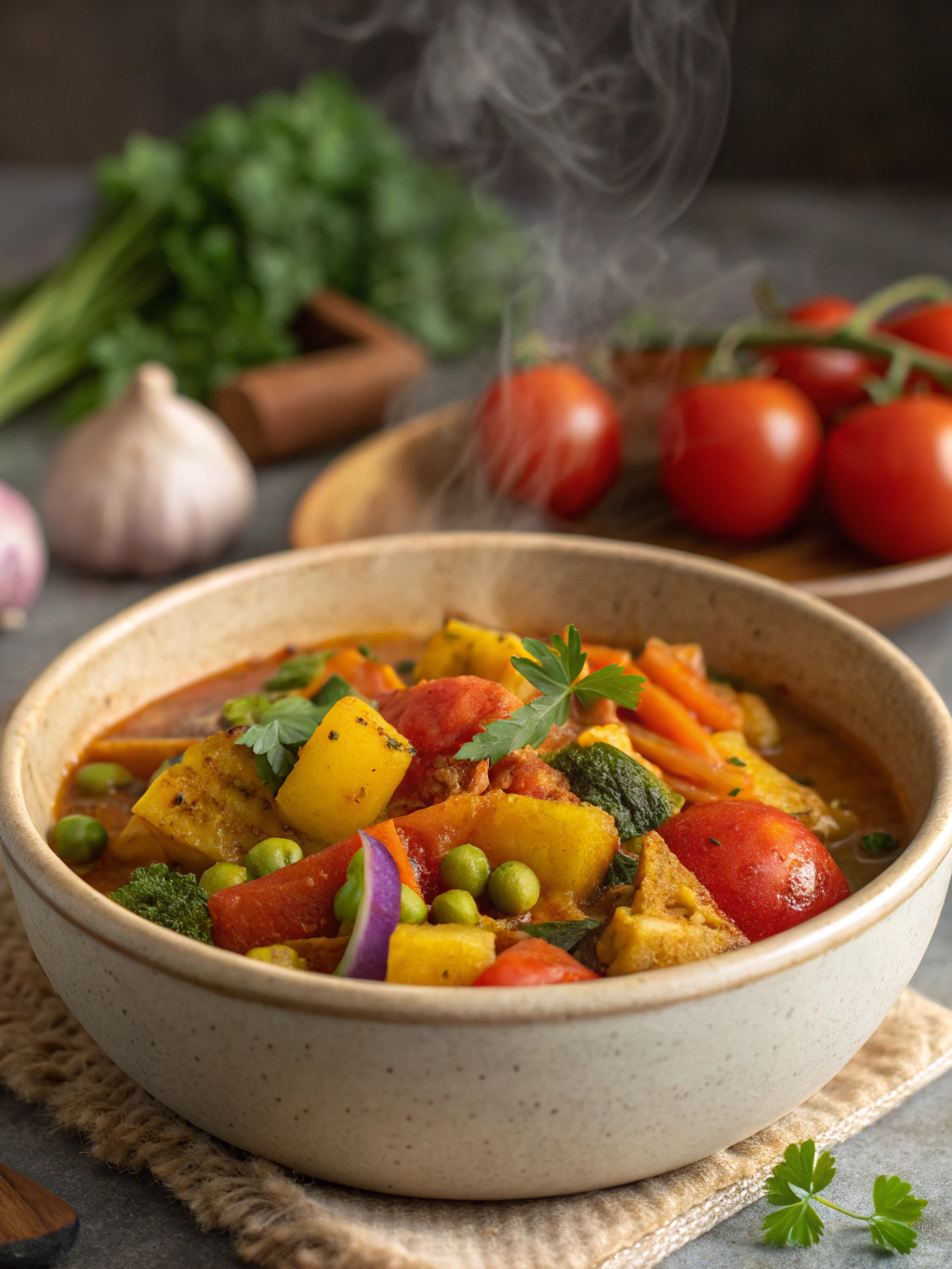
Did you know that 73% of home cooks abandon dinner recipes halfway through because they take too long? If you’re among those seeking a satisfying meal without the time commitment, this vegetable curry recipe is your answer. Ready in just 30 minutes, this vibrant, aromatic curry delivers restaurant-quality flavor without keeping you chained to the stove. Packed with colorful vegetables, protein-rich chickpeas, and a luscious coconut sauce, this quick vegan dinner proves that weeknight vegetarian meals don’t have to sacrifice taste for convenience. Whether you’re a seasoned curry enthusiast or exploring easy Indian curry for the first time, this simple chickpea curry will become your go-to healthy plant based dinner solution.
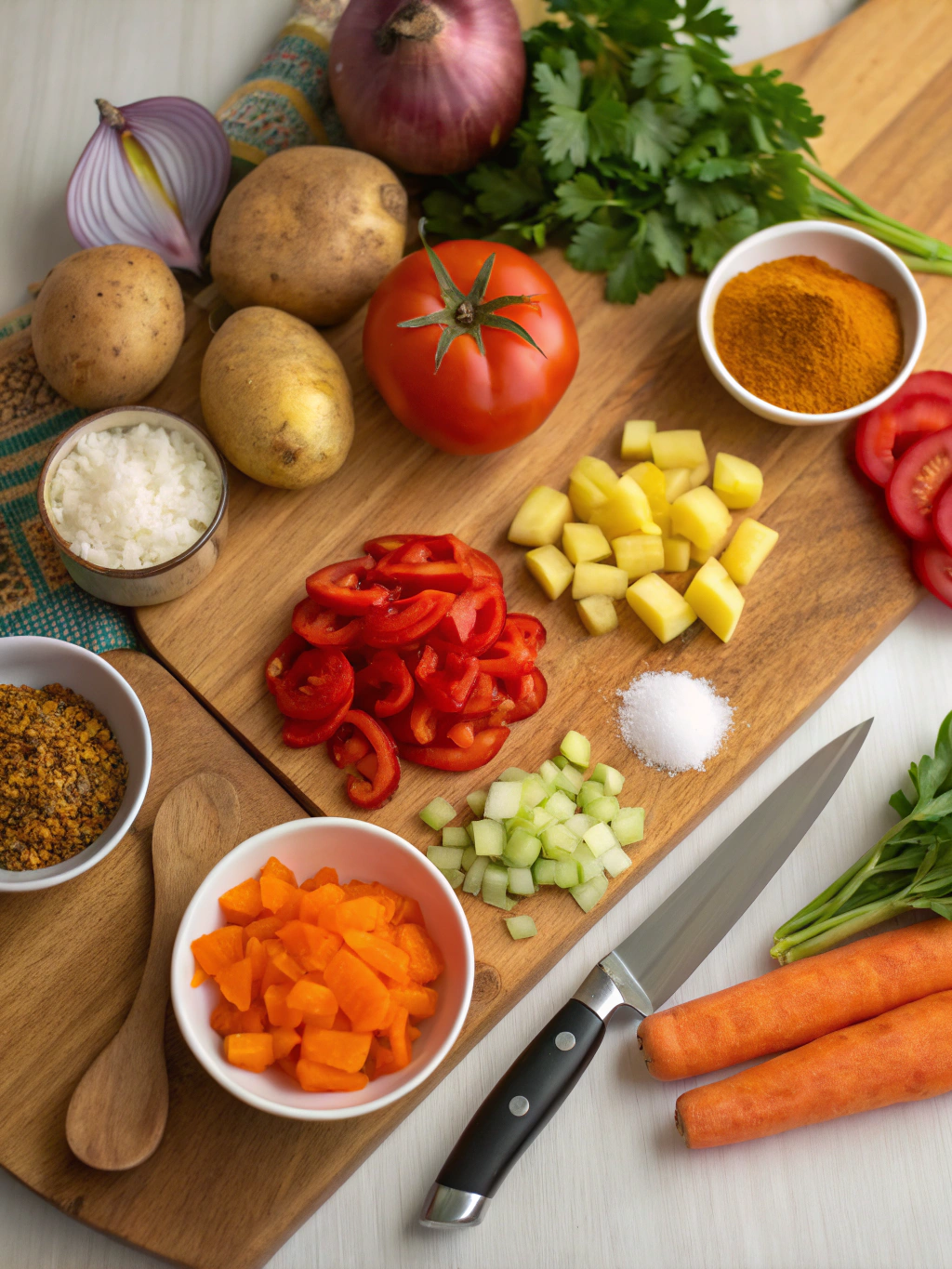
Ingredients List
For the Curry Base:
- 2 tablespoons coconut oil (or neutral vegetable oil for lighter option)
- 1 large onion, diced (about 1½ cups)
- 4 cloves garlic, minced
- 1 tablespoon fresh ginger, grated (or 1 teaspoon ground ginger)
- 2 tablespoons curry powder (adjust for spice preference)
- 1 teaspoon ground cumin
- ½ teaspoon turmeric powder
- ¼ teaspoon cayenne pepper (optional, for heat)
For the Vegetables:
- 1 medium sweet potato, peeled and cubed (about 2 cups)
- 1 red bell pepper, chopped
- 1 cup cauliflower florets
- 1 cup green beans, trimmed and halved
- 1 can (15 oz) chickpeas, drained and rinsed
For the Sauce:
- 1 can (14 oz) full-fat coconut milk
- 1 can (14 oz) diced tomatoes
- 1 cup vegetable broth
- 1 tablespoon tomato paste
- 1 teaspoon maple syrup or coconut sugar
- Salt and pepper to taste
- Fresh cilantro for garnish
- Lime wedges for serving
Substitution Suggestions: Swap sweet potato with butternut squash, use frozen mixed vegetables for convenience, replace chickpeas with tofu cubes, or substitute coconut milk with cashew cream for a different flavor profile.
Timing
Preparation Time: 10 minutes
Cooking Time: 20 minutes
Total Time: 30 minutes
This coconut curry recipe delivers impressive results in half the time of traditional curry preparations, which typically require 60-90 minutes. The strategic use of canned ingredients and pre-cut vegetables makes this one of the most efficient 30 minute curry recipes without compromising authentic flavor.
Step-by-Step Instructions
Step 1: Prepare Your Mise en Place
Gather and prep all ingredients before heating your pan. Dice the onion, mince garlic, grate ginger, and cube vegetables into uniform ½-inch pieces for even cooking. This professional technique ensures smooth execution once cooking begins.
Step 2: Build the Aromatic Base
Heat coconut oil in a large, deep skillet or Dutch oven over medium-high heat. Add diced onion and sauté for 3-4 minutes until translucent and fragrant. Stir in minced garlic and grated ginger, cooking for another minute until aromatic. This foundational step creates the flavor backbone of your vegetable curry recipe.
Step 3: Bloom the Spices
Add curry powder, cumin, turmeric, and cayenne to the aromatic base. Stir continuously for 30-45 seconds, allowing the spices to toast and release their essential oils. This technique, called “blooming,” intensifies flavors and prevents raw spice taste in the finished curry.
Step 4: Add the Vegetables
Incorporate cubed sweet potato first, as it requires the longest cooking time. Stir to coat with the spiced mixture, then add bell pepper, cauliflower, and green beans. Cook for 2-3 minutes, stirring occasionally to develop slight caramelization on the vegetables.
Step 5: Create the Curry Sauce
Pour in coconut milk, diced tomatoes with their juices, vegetable broth, and tomato paste. Stir thoroughly to combine, scraping any browned bits from the bottom of the pan. Add maple syrup to balance acidity. Bring the mixture to a gentle boil, then reduce heat to maintain a steady simmer.
Step 6: Simmer and Finish
Add drained chickpeas to the simmering curry. Cover partially and cook for 12-15 minutes, stirring occasionally, until sweet potatoes are fork-tender and sauce has thickened to desired consistency. Season with salt and pepper to taste. If sauce becomes too thick, add vegetable broth in ¼-cup increments.
Step 7: Garnish and Serve
Remove from heat and let rest for 2-3 minutes to allow flavors to meld. Garnish generously with fresh cilantro and serve with lime wedges. The citrus brightness elevates every bite of this simple yet sophisticated vegetable curry recipe.
Nutritional Information
Per Serving (1½ cups, recipe serves 4):
- Calories: 385
- Total Fat: 18g (23% DV)
- Saturated Fat: 14g (70% DV)
- Sodium: 480mg (21% DV)
- Total Carbohydrates: 48g (17% DV)
- Dietary Fiber: 11g (39% DV)
- Sugars: 12g
- Protein: 10g (20% DV)
- Vitamin A: 185% DV
- Vitamin C: 95% DV
- Iron: 25% DV
- Calcium: 10% DV
This healthy plant based dinner provides exceptional nutritional density, with nearly 40% of daily fiber needs and significant immune-supporting vitamins A and C. The combination of chickpeas and vegetables delivers complete nutrition while keeping the meal entirely plant-based.
Healthier Alternatives for the Recipe
Reduce Fat Content: Use light coconut milk instead of full-fat, reducing calories by approximately 100 per serving while maintaining creamy texture.
Boost Protein: Add an additional can of chickpeas, or incorporate ½ cup red lentils with the vegetables for extra plant-based protein (lentils cook quickly and blend seamlessly).
Lower Sodium: Use low-sodium vegetable broth and rinse canned chickpeas thoroughly, reducing sodium content by 30-40%.
Increase Vegetables: Double the non-starchy vegetables (bell pepper, cauliflower, green beans) while reducing sweet potato for a lower-carbohydrate option suitable for those monitoring blood sugar.
Enhance Nutrients: Stir in 2 cups fresh spinach or kale during the final 2 minutes of cooking for additional iron, calcium, and folate without altering flavor profile.
Serving Suggestions
Traditional Pairings: Serve this easy Indian curry over fluffy basmati rice, jasmine rice, or quinoa for complete weeknight vegetarian meals. A 3:1 rice-to-curry ratio provides ideal balance.
Low-Carb Options: Pair with cauliflower rice or zucchini noodles for a lighter presentation that still satisfies.
Bread Accompaniments: Warm naan, roti, or crusty sourdough bread perfectly complements the coconut curry recipe, ideal for soaking up every drop of sauce.
Complete Meal Ideas: Add a cooling cucumber raita or simple mixed green salad with lemon vinaigrette to balance the curry’s warmth and richness.
Meal Prep Application: Divide into four individual containers alongside cooked grains for grab-and-go lunches throughout the week.
Common Mistakes to Avoid
Skipping the Spice Blooming: Adding spices directly to liquid creates dull flavor. Always bloom spices in oil first to unlock their full aromatic potential.
Overcrowding the Pan: Using a pan that’s too small steams vegetables instead of allowing proper searing. Choose a pan at least 12 inches in diameter for optimal results.
Rushing the Simmer: Cutting cooking time short leaves vegetables undercooked and flavors undeveloped. The full 12-15 minute simmer is essential for achieving tender vegetables and cohesive sauce.
Using Low-Quality Curry Powder: This vegetable curry recipe depends heavily on curry powder quality. Invest in fresh, high-quality blends from specialty spice retailers for dramatically better results.
Neglecting Salt Balance: Undersalting is the most common home cooking error. Taste before serving and adjust seasoning—properly salted food should taste vibrant, not bland or one-dimensional.
Overheating Coconut Milk: Boiling coconut milk vigorously can cause separation. Maintain a gentle simmer for smooth, creamy consistency.
Storing Tips for the Recipe
Refrigeration: Store cooled curry in airtight containers for 4-5 days. Flavors actually improve after 24 hours as spices continue developing, making this perfect for meal prep.
Freezing: This 30 minute curry recipe freezes exceptionally well for up to 3 months. Freeze in portion-sized containers, leaving 1 inch headspace for expansion. Thaw overnight in refrigerator before reheating.
Reheating Instructions: Warm gently on stovetop over medium-low heat, adding 2-3 tablespoons water or vegetable broth if sauce has thickened. Microwave individual portions on 70% power in 1-minute intervals, stirring between, to prevent overheating.
Ingredient Prep Ahead: Chop vegetables up to 2 days in advance and store in separate containers. Pre-measure spices into small bowls for ultra-quick weeknight assembly.
Sauce Storage: The curry sauce can be prepared independently and refrigerated for 3 days. Add fresh vegetables when ready to complete the dish for maximum texture.
Conclusion
This vegetable curry recipe proves that impressive, flavorful weeknight vegetarian meals don’t require hours in the kitchen. With straightforward techniques, accessible ingredients, and genuine 30-minute preparation, you can enjoy restaurant-quality easy Indian curry any night of the week. The combination of aromatic spices, creamy coconut sauce, and colorful vegetables creates a healthy plant based dinner that satisfies both vegans and omnivores alike. Whether you’re seeking simple chickpea curry for meal prep or a reliable quick vegan dinner for busy evenings, this coconut curry recipe delivers consistently delicious results. Try it tonight, customize it to your preferences, and discover why this has become a go-to favorite for thousands of home cooks. Share your variations in the comments below, and don’t forget to explore our collection of other 30 minute curry recipes for endless dinner inspiration!
FAQs
Can I make this curry spicier?
Absolutely! Increase cayenne pepper to ½ teaspoon, add fresh sliced jalapeños with the vegetables, or stir in 1-2 teaspoons of your favorite hot sauce. For maximum heat, use Madras curry powder instead of regular curry powder.
Is this recipe gluten-free?
Yes, this vegetable curry recipe is naturally gluten-free when using certified gluten-free curry powder and vegetable broth. Always verify labels, as some commercial curry blends may contain wheat-based fillers.
Can I use other vegetables?
Certainly! This recipe is highly adaptable. Try zucchini, mushrooms, eggplant, spinach, peas, or broccoli. Just adjust cooking times based on vegetable density—tender vegetables like spinach need only 2-3 minutes.
What can I substitute for coconut milk?
For nut-free options, use full-fat oat milk or soy milk thickened with 1 tablespoon cornstarch. Cashew cream creates exceptional richness. Note that alternatives will alter the distinct coconut flavor profile.
How do I thicken a watery curry?
Simmer uncovered for an additional 5-7 minutes to reduce liquid. Alternatively, mash some of the soft sweet potato against the pan sides to naturally thicken sauce, or whisk together 1 tablespoon cornstarch with 2 tablespoons cold water and stir into simmering curry.
Can I make this in a slow cooker?
Yes! Sauté aromatics and bloom spices in a pan first, then transfer everything to a slow cooker. Cook on low for 4-5 hours or high for 2-3 hours. Add quick-cooking vegetables like bell peppers during the final 30 minutes.
Why does my curry taste bitter?
Bitterness typically results from burning spices or garlic. Ensure medium heat when blooming spices (not high), and stir constantly during the 30-45 second blooming period. Old, expired curry powder can also contribute bitterness.
Is this kid-friendly?
Definitely! Reduce or omit cayenne pepper for milder heat, and cut vegetables into smaller pieces for easier eating. The natural sweetness from sweet potato and coconut milk appeals to younger palates. Many parents report this becoming a family favorite weeknight meal.