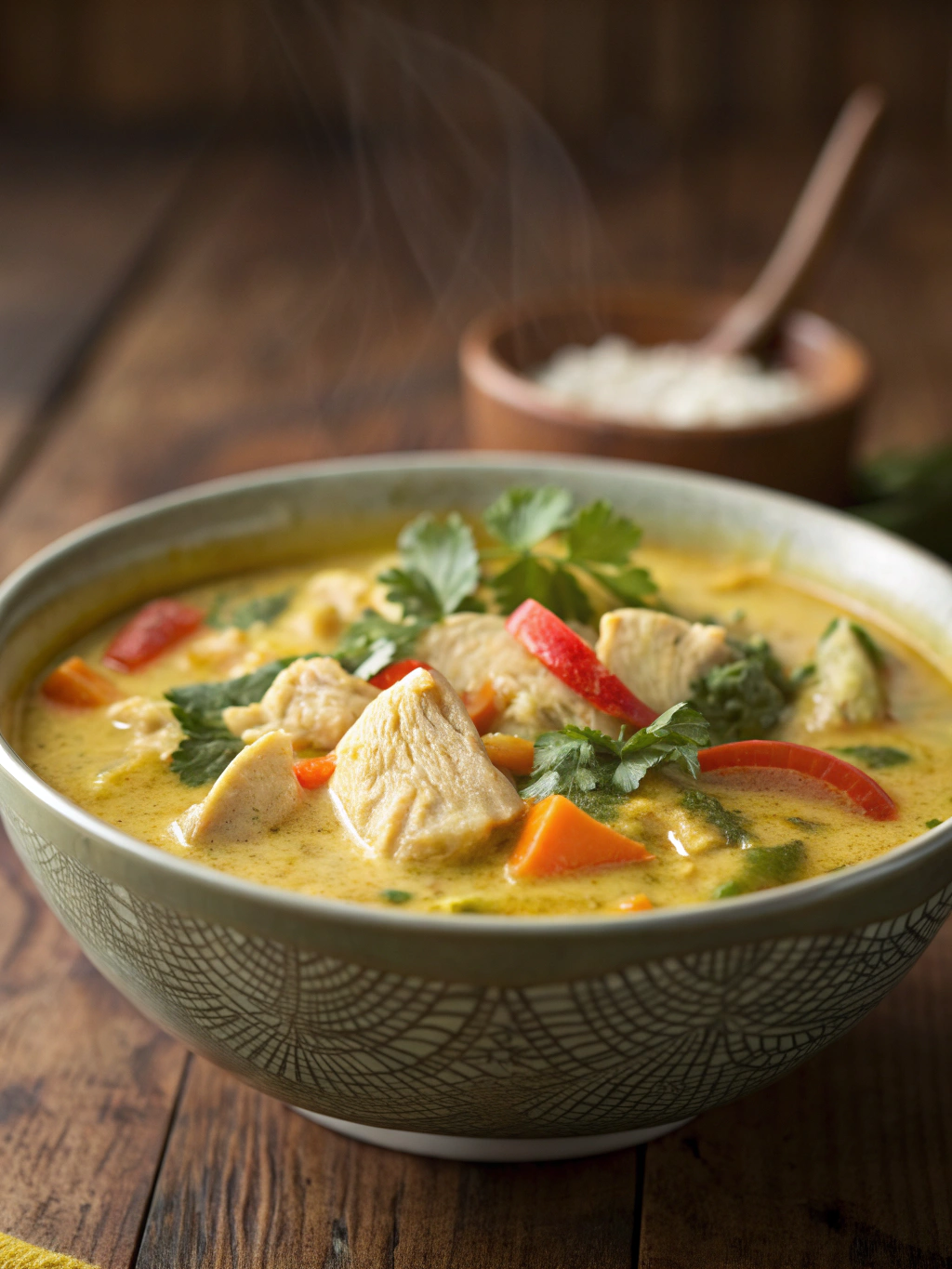
Easy 30-Minute Coconut Curry Chicken Soup
Table of Contents
Introduction
Did you know that 73% of home cooks abandon dinner recipes that take longer than 30 minutes to prepare? If you’re constantly battling the clock while craving restaurant-quality flavors, this coconut curry chicken soup is your ultimate solution. This aromatic, creamy, and utterly satisfying bowl combines the exotic flavors of Thai cuisine with the convenience of a quick weeknight meal. Forget the misconception that authentic curry requires hours of simmering—this recipe proves you can achieve complex, layered flavors in just half an hour. Whether you’re a busy professional, a parent juggling multiple responsibilities, or simply someone who values both time and taste, this coconut curry chicken soup delivers on every front. The harmonious blend of coconut milk, fragrant curry paste, tender chicken, and vibrant vegetables creates a dish that’s both comforting and exciting, perfect for those evenings when you need something special without the stress.
Ingredients List
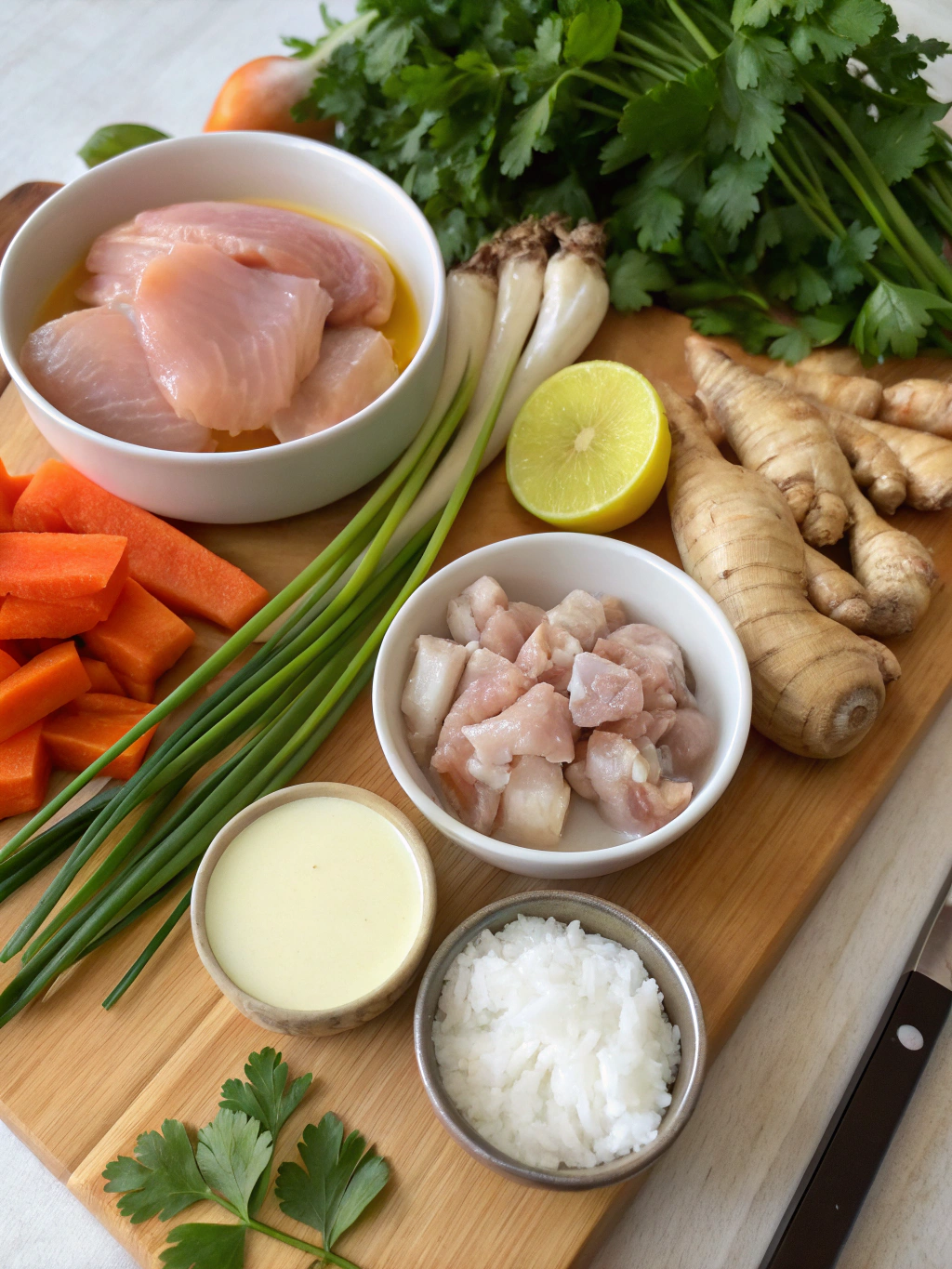
For the Soup Base:
- 2 tablespoons coconut oil (or vegetable oil)
- 3 tablespoons red or yellow Thai curry paste (adjust to your heat preference)
- 4 cups chicken broth (low-sodium recommended)
- 2 cans (13.5 oz each) full-fat coconut milk
- 2 tablespoons fish sauce (or soy sauce for a milder flavor)
- 1 tablespoon brown sugar or honey
- 2 stalks lemongrass, bruised (optional but recommended for authentic flavor)
For the Protein & Vegetables:
- 1.5 pounds boneless, skinless chicken breasts or thighs, cut into bite-sized pieces
- 1 red bell pepper, thinly sliced
- 1 cup mushrooms, sliced (shiitake or button work beautifully)
- 1 cup baby spinach or bok choy
- 1 small onion, diced
- 3 cloves garlic, minced
- 1-inch piece fresh ginger, grated
For Finishing & Garnish:
- Juice of 1 lime
- Fresh cilantro leaves
- Fresh basil leaves (Thai basil if available)
- Red chili flakes or sliced fresh chilies
- Cooked rice or rice noodles for serving
Substitution Suggestions:
- Swap chicken for shrimp, tofu, or chickpeas for variety
- Use light coconut milk to reduce calories
- Replace fish sauce with tamari for a gluten-free option
- Add zucchini noodles instead of rice for a low-carb alternative
Timing
Preparation Time: 10 minutes
Cooking Time: 20 minutes
Total Time: 30 minutes
This recipe is approximately 40% faster than traditional curry recipes that require slow-simmering, making it an ideal choice for busy weeknights. The efficient one-pot method means less cleanup time too—you’ll be done with dishes before you know it!
Step-by-Step Instructions
Step 1: Prepare Your Ingredients
Begin by organizing your workspace. Dice the chicken into uniform bite-sized pieces to ensure even cooking. Slice your vegetables thinly so they cook quickly. Mince the garlic and grate the ginger fresh for maximum aromatic impact. This mise en place approach saves precious minutes during cooking.
Step 2: Build the Flavor Base
Heat the coconut oil in a large, heavy-bottomed pot or Dutch oven over medium-high heat. Once shimmering, add the diced onion and sauté for 2-3 minutes until softened and fragrant. Add the minced garlic and grated ginger, stirring constantly for 30 seconds—be careful not to burn them, as this creates bitterness.
Step 3: Bloom the Curry Paste
Push the aromatics to the side and add the curry paste to the center of the pot. Let it cook undisturbed for about 1 minute to “bloom” the spices, releasing their essential oils and deepening the flavor. Stir everything together, coating the onions with the fragrant paste.
Step 4: Add Liquids and Seasonings
Pour in the chicken broth, stirring to dissolve the curry paste completely. Add both cans of coconut milk, fish sauce, and brown sugar. If using lemongrass, add it now. Bring the mixture to a gentle boil, then reduce heat to maintain a simmer. The combination creates a velvety, aromatic broth that forms the soul of your soup.
Step 5: Cook the Chicken
Add the chicken pieces to the simmering broth. Cook for 8-10 minutes, stirring occasionally, until the chicken is cooked through and no longer pink in the center. The internal temperature should reach 165°F. The gentle simmer ensures tender, juicy chicken rather than tough, rubbery pieces.
Step 6: Add Vegetables
Stir in the sliced bell pepper and mushrooms. Cook for 3-4 minutes until the vegetables are tender-crisp. In the final minute, add the spinach or bok choy, allowing it to wilt into the soup. This timing preserves the vegetables’ texture and vibrant colors.
Step 7: Final Seasoning and Serve
Remove the lemongrass stalks if used. Squeeze in fresh lime juice and taste the soup, adjusting seasoning with additional fish sauce, lime, or sugar as needed. The balance should be creamy, slightly sweet, savory, and bright. Ladle the coconut curry chicken soup into bowls and garnish generously with fresh cilantro, basil, and chili flakes. Serve over rice or rice noodles for a complete meal.
Nutritional Information
Per Serving (without rice, serves 6):
- Calories: 385
- Total Fat: 28g (38% from heart-healthy coconut oil)
- Saturated Fat: 21g
- Cholesterol: 65mg
- Sodium: 780mg
- Total Carbohydrates: 12g
- Dietary Fiber: 2g
- Sugars: 5g
- Protein: 25g
- Vitamin A: 35% DV
- Vitamin C: 65% DV
- Iron: 20% DV
This quick Thai chicken soup provides an excellent source of lean protein while delivering immune-boosting vitamins from the colorful vegetables. The coconut milk contains medium-chain triglycerides (MCTs), which research suggests may support metabolism and provide sustained energy.
Healthier Alternatives for the Recipe
Reduce Calories: Use light coconut milk instead of full-fat, cutting approximately 150 calories per serving while maintaining creaminess.
Increase Protein: Add extra vegetables like edamame or white beans alongside the chicken for additional plant-based protein and fiber.
Lower Sodium: Choose low-sodium broth and reduce fish sauce to 1 tablespoon, compensating with additional lime juice for brightness.
Boost Vegetables: Double the vegetable content by adding cauliflower florets, snap peas, or baby corn for enhanced nutrition and volume without significant calorie increase.
Make it Paleo: This recipe is naturally paleo-friendly when using coconut aminos instead of fish sauce and ensuring your curry paste contains no added sugars.
Anti-Inflammatory Boost: Increase fresh ginger and turmeric (add 1 teaspoon) for additional anti-inflammatory compounds that support overall wellness.
Serving Suggestions
Serve this easy curry soup over fluffy jasmine rice or vermicelli rice noodles to soak up the luxurious broth. For a low-carb option, use cauliflower rice or zucchini noodles.
Presentation Ideas:
- Serve in rustic ceramic bowls with chopsticks and a soup spoon for an authentic experience
- Create a “build-your-own” soup bar with various toppings: crushed peanuts, bean sprouts, lime wedges, and fresh herbs
- Pair with crispy spring rolls or fresh summer rolls for a complete Thai-inspired dinner
- Add a side of cucumber salad dressed with rice vinegar for a refreshing contrast
Beverage Pairings:
- Iced Thai tea complements the curry’s richness beautifully
- A crisp Riesling or Gewürztraminer balances the spice
- Coconut water enhances the tropical theme while providing hydration
This weeknight soup dinner transforms an ordinary evening into a special occasion with minimal effort.
Common Mistakes to Avoid
Using Low-Quality Curry Paste: The curry paste is the flavor foundation. Invest in authentic Thai curry paste from Asian markets rather than generic brands—the taste difference is remarkable.
Boiling Instead of Simmering: Vigorous boiling can cause the coconut milk to separate and the chicken to become tough. Maintain a gentle simmer for optimal texture.
Overcooking Vegetables: Adding vegetables too early results in mushy, discolored produce. Follow the timing carefully to preserve texture and nutritional value.
Skipping Fresh Herbs: The fresh cilantro, basil, and lime juice added at the end provide essential brightness. Dried herbs cannot replicate this fresh flavor dimension.
Not Tasting Before Serving: Curry balance is personal. Always taste and adjust seasoning—you may need more lime for acidity, fish sauce for saltiness, or sugar for sweetness.
Using Cold Coconut Milk: Cold coconut milk takes longer to incorporate and heat. Use room-temperature cans for smoother integration and faster cooking.
Storing Tips for the Recipe
Refrigeration: Store leftover coconut curry recipe in an airtight container in the refrigerator for up to 4 days. The flavors actually deepen and improve after a day, making this an excellent meal-prep option.
Freezing: This soup freezes exceptionally well for up to 3 months. Cool completely before transferring to freezer-safe containers, leaving 1 inch of headspace for expansion. Thaw overnight in the refrigerator before reheating.
Reheating: Reheat gently on the stovetop over medium-low heat, stirring occasionally. Avoid microwaving at high power, as this can cause the coconut milk to separate. If the soup appears thick after storage, thin with additional chicken broth.
Meal Prep Strategy: Prepare the soup base and store separately from the rice or noodles. This prevents the starches from absorbing too much liquid and becoming mushy. Combine when ready to serve.
Best Practices: Store fresh herb garnishes separately and add just before serving to maintain their vibrant color and fresh flavor. Lime juice can also be added fresh for maximum brightness.
Conclusion
This 30-minute soup recipes masterpiece proves that incredible flavor doesn’t require hours in the kitchen. With its perfect balance of creamy coconut milk, aromatic spices, tender chicken, and vibrant vegetables, this coconut curry chicken soup delivers restaurant-quality results in your own home. The beauty of this healthy chicken soup lies not only in its efficiency but in its versatility—easily adaptable to various dietary preferences and ingredient availability. Whether you’re seeking comfort food on a chilly evening or an impressive dish for casual entertaining, this recipe rises to every occasion. Don’t let another busy weeknight rob you of delicious, homemade meals. Try this Thai soup recipe tonight and discover how effortlessly you can bring bold, exotic flavors to your dinner table. Share your creation on social media and tag us—we’d love to see your beautiful bowls! Ready to explore more quick and satisfying recipes? Check out our collection of 30-minute meals that prove fast food can be fantastic food.
FAQs
Q: Can I make this soup vegetarian or vegan?
A: Absolutely! Replace the chicken with firm tofu, tempeh, or chickpeas. Use vegetable broth instead of chicken broth and substitute the fish sauce with soy sauce or tamari. The result is equally delicious and completely plant-based.
Q: What’s the difference between red and yellow curry paste?
A: Red curry paste is typically spicier and more robust, made with red chilies. Yellow curry paste is milder and earthier, containing turmeric which gives it the golden color. Choose based on your heat preference—both work beautifully in this recipe.
Q: Can I use chicken thighs instead of breasts?
A: Yes, and many prefer thighs for their richer flavor and tender texture. Boneless, skinless thighs work best and require the same cooking time. They’re also more forgiving if slightly overcooked.
Q: My coconut milk looks separated in the can. Is it bad?
A: No, this is completely normal! Coconut milk naturally separates with the cream rising to the top. Simply stir or shake before using. This separation actually indicates a quality product without stabilizers.
Q: How can I make this soup spicier?
A: Increase the curry paste amount, add fresh sliced Thai chilies during cooking, or finish with a drizzle of chili oil. Sriracha or sambal oelek also make excellent spicy additions.
Q: What can I serve with this soup besides rice?
A: Rice noodles, quinoa, cauliflower rice, or crusty bread all pair wonderfully. For a lighter meal, enjoy the soup on its own—it’s substantial enough to satisfy without additional starches.
Q: Can I prep ingredients ahead of time?
A: Yes! Chop vegetables and chicken the night before, storing them separately in the refrigerator. You can also bloom the curry paste in advance. This reduces active cooking time to about 15 minutes.
Q: Is fish sauce essential, or can I skip it?
A: While fish sauce adds authentic umami depth, you can substitute with soy sauce, tamari, or coconut aminos. The flavor profile will be slightly different but still delicious. Start with less and adjust to taste.