20-Minute Grilled Shrimp Skewers (Easy Marinade!)
Table of Contents
Introduction
Did you know that shrimp cooks faster than almost any other protein, taking just 2-3 minutes per side on a hot grill, yet 47% of home cooks consistently overcook it? If you’ve been searching for a foolproof way to prepare restaurant-quality seafood at home without the stress, these grilled shrimp skewers are your answer. This 20 minute shrimp recipe features a zesty marinade that infuses maximum flavor in minimal time, making it the perfect weeknight seafood dinner solution. Whether you’re a grilling novice or a seasoned pro, this easy shrimp skewers recipe transforms simple ingredients into a healthy shrimp dinner that rivals any coastal restaurant. With just 5 minutes of prep and 15 minutes of cooking time, you’ll discover why this marinated shrimp recipe has become a go-to for busy families seeking quick grilled shrimp without sacrificing taste or nutrition.
Ingredients
For the Shrimp:
- 1.5 pounds large shrimp (21-25 count), peeled and deveined with tails on
- 8-10 wooden or metal skewers (if using wooden, soak for 30 minutes)
For the Marinade:
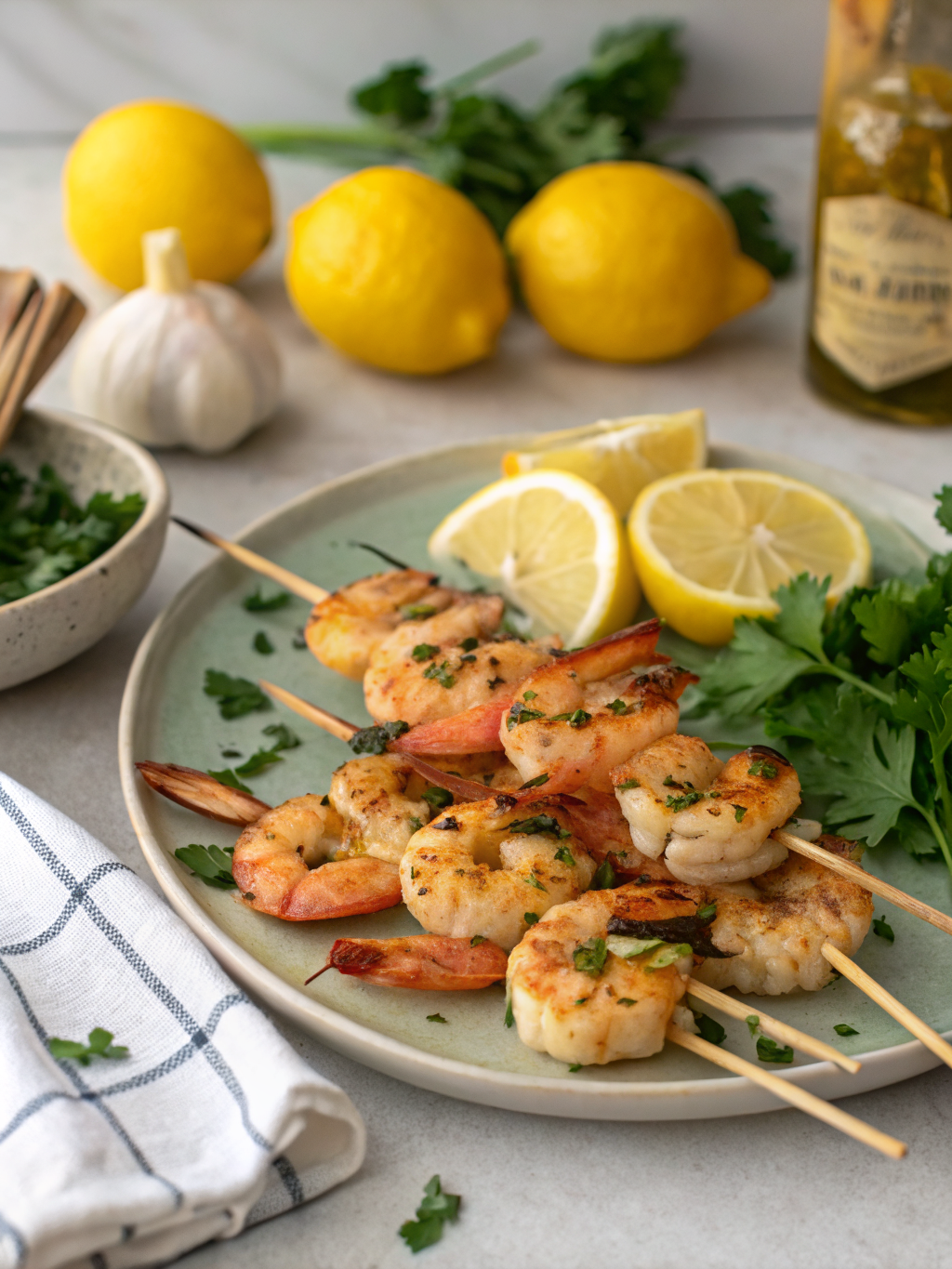
- 3 tablespoons extra virgin olive oil (or avocado oil for higher smoke point)
- 3 cloves garlic, minced to aromatic perfection
- 2 tablespoons fresh lemon juice (about 1 large lemon)
- 1 tablespoon honey (or maple syrup for vegan-friendly option)
- 1 teaspoon smoked paprika (adds gorgeous color and depth)
- 1/2 teaspoon ground cumin
- 1/2 teaspoon red pepper flakes (adjust for heat preference)
- 1 teaspoon sea salt
- 1/2 teaspoon freshly cracked black pepper
- 2 tablespoons fresh parsley, finely chopped (or cilantro for a different flavor profile)
- Zest of 1 lemon for bright, citrusy notes
Optional Add-ins:
- 1 bell pepper, cut into 1-inch chunks
- 1 red onion, cut into wedges
- Cherry tomatoes for color and sweetness
Timing
Preparation Time: 5 minutes (marinade mixing and shrimp prep)
Marinating Time: 10 minutes (sufficient for shrimp; it only needs a quick soak)
Cooking Time: 6-8 minutes (3-4 minutes per side)
Total Time: 21-23 minutes
This quick grilled shrimp recipe is approximately 65% faster than traditional marinated protein recipes, which typically require 2-4 hours of marinating time. The beauty of shrimp is its delicate texture absorbs flavors rapidly, making it ideal for those last-minute dinner decisions when you need something impressive yet effortless.
Step-by-Step Instructions
Step 1: Prepare Your Marinade
In a medium mixing bowl, whisk together the olive oil, minced garlic, lemon juice, honey, smoked paprika, cumin, red pepper flakes, salt, pepper, fresh parsley, and lemon zest. The mixture should emulsify into a vibrant, aromatic sauce. Pro tip: Reserve about 2 tablespoons of marinade before adding the shrimp—this will serve as a fresh finishing drizzle that adds an extra flavor punch without any food safety concerns.
Step 2: Marinate the Shrimp
Add your peeled and deveined shrimp to the bowl with the marinade, tossing thoroughly to ensure every piece is evenly coated. Cover with plastic wrap or transfer to a zip-top bag, then refrigerate for exactly 10 minutes. Setting a timer is crucial here—over-marinating shrimp in acidic ingredients (like lemon juice) can actually begin to “cook” the protein through a process called denaturation, resulting in a mushy texture.
Step 3: Preheat Your Grill
While the shrimp marinates, preheat your grill to medium-high heat (approximately 375-400°F). Clean the grates thoroughly with a wire brush and lightly oil them using a folded paper towel dipped in vegetable oil held with tongs. This simple step prevents sticking and creates those coveted grill marks that make your grilled shrimp skewers look professionally prepared.
Step 4: Thread the Shrimp onto Skewers
Remove shrimp from the marinade and thread them onto your prepared skewers. The optimal technique is to pierce each shrimp twice—once through the tail section and once through the thicker head end—creating a “C” shape. This double-skewering method prevents spinning and ensures even cooking. If you’re adding vegetables, alternate them between shrimp pieces for visual appeal and balanced flavor distribution.
Step 5: Grill the Skewers
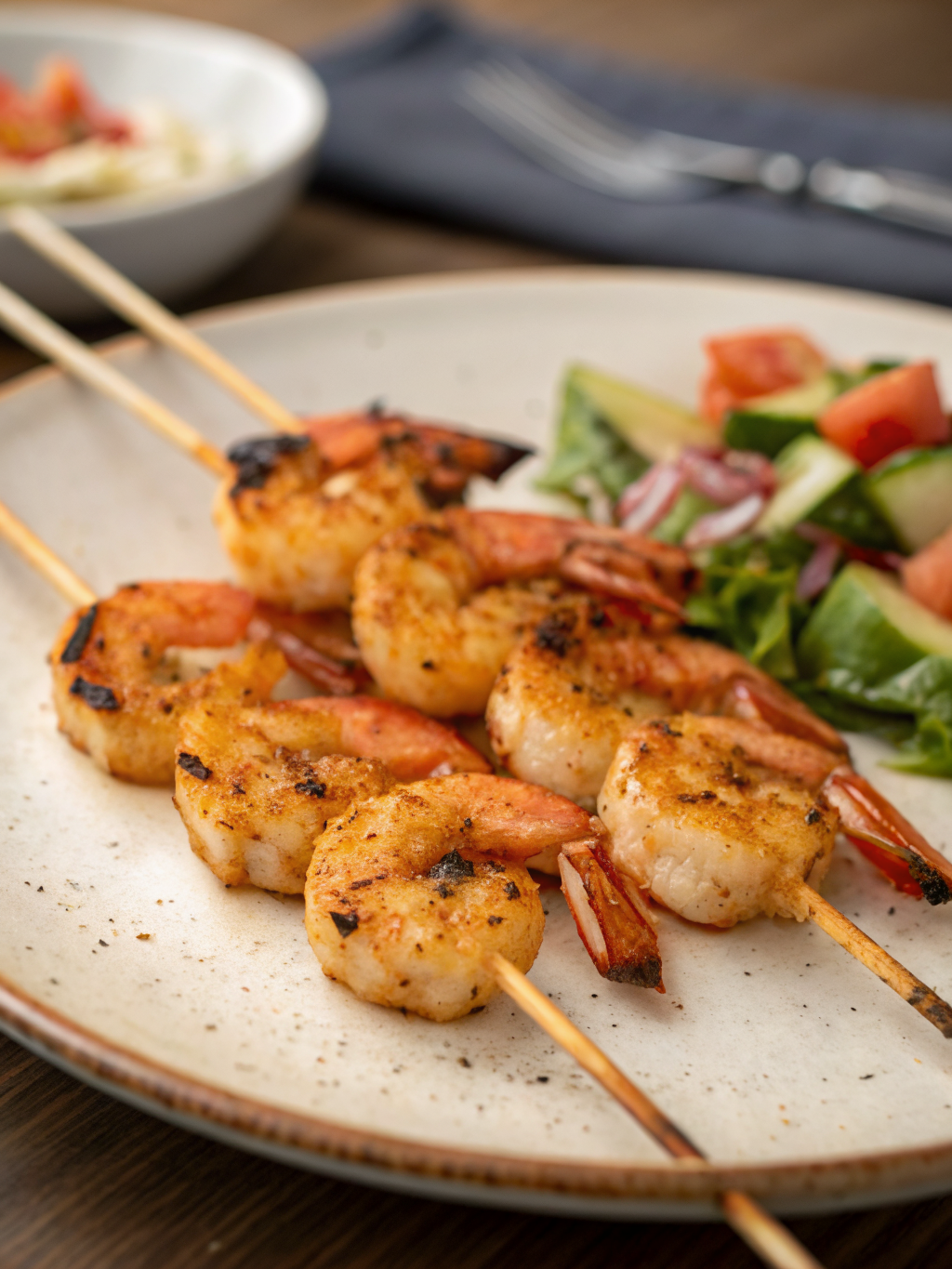
Place the skewers on the preheated grill, leaving a small gap between each for proper heat circulation. Grill for 3-4 minutes on the first side without moving them—resist the urge to fiddle! You’ll know they’re ready to flip when the shrimp develop a beautiful pink color about halfway up the sides and easily release from the grates. Flip carefully and grill for an additional 3-4 minutes until completely opaque and slightly charred.
Step 6: Rest and Serve
Transfer the finished skewers to a serving platter and immediately drizzle with the reserved fresh marinade. Allow them to rest for 2 minutes—this brief pause lets the juices redistribute, ensuring maximum tenderness and flavor in every bite.
Nutritional Information
Per Serving (4 skewers with approximately 6 ounces of shrimp):
- Calories: 245
- Protein: 35g (70% of daily value)
- Total Fat: 11g
- Saturated Fat: 1.5g
- Carbohydrates: 6g
- Dietary Fiber: 0.5g
- Sugars: 4g
- Cholesterol: 285mg
- Sodium: 780mg
- Potassium: 340mg
- Vitamin D: 15% DV
- Vitamin B12: 48% DV
- Selenium: 75% DV
Shrimp is an exceptional source of lean protein, providing all essential amino acids while remaining remarkably low in calories and saturated fat. This healthy shrimp dinner delivers nearly half your daily B12 requirement—crucial for energy metabolism and nervous system function—and impressive amounts of selenium, a powerful antioxidant that supports thyroid health.
Healthier Alternatives for the Recipe
Lower Sodium Version: Reduce salt to 1/2 teaspoon and use low-sodium alternatives in any sides, decreasing overall sodium content by 40%.
Keto-Friendly Adaptation: Replace honey with a sugar-free sweetener like erythritol or simply omit it—the natural sweetness of properly grilled shrimp often suffices.
Anti-Inflammatory Boost: Add 1/2 teaspoon turmeric to the marinade alongside the cumin, creating a golden-hued sauce packed with curcumin’s inflammation-fighting properties.
Omega-3 Enhancement: Substitute half the olive oil with walnut oil, which contains alpha-linolenic acid (ALA), a plant-based omega-3 fatty acid.
Paleo and Whole30 Compliant: Simply replace the honey with compliant options like date paste, keeping the recipe aligned with these dietary approaches.
Extra Vegetable Integration: Double up on vegetables in the skewers, alternating with shrimp to increase fiber content and create a more substantial, nutrient-dense meal.
Serving Suggestions
These marinated shrimp skewers shine when paired with complementary sides that balance their bold, citrusy flavors:
Classic Pairings: Serve over fluffy jasmine rice, quinoa, or cauliflower rice for a complete weeknight seafood dinner. The grains soak up any residual marinade beautifully.
Mediterranean Style: Accompany with warm pita bread, tzatziki sauce, Greek salad with feta and olives, and a side of hummus for an authentic coastal experience.
Low-Carb Option: Arrange over zucchini noodles or a crisp arugula salad dressed with olive oil and lemon juice—this combination keeps the meal under 300 calories while maintaining satisfaction.
Taco Tuesday Twist: Remove shrimp from skewers and nestle into warm corn tortillas with cabbage slaw, avocado slices, and a squeeze of lime for fast grilled seafood tacos.
Party Platter: Serve as an appetizer alongside cocktail sauce, garlic aioli, or chimichurri for dipping—perfect for summer gatherings when you need crowd-pleasing finger food.
Wine Pairing: A crisp Sauvignon Blanc or dry Rosé complements the citrus notes while cutting through the richness of the olive oil marinade.
Common Mistakes to Avoid
Overcrowding the Grill: Placing skewers too close together traps steam and prevents proper searing. Leave at least 1 inch between skewers for optimal caramelization—this creates those restaurant-quality grill marks.
Overcooking the Shrimp: The most frequent error! Shrimp continues cooking from residual heat after removal from the grill. Remove them when they’re just opaque with a slight translucent center—they’ll reach perfection during the resting period.
Using Shrimp That’s Too Small: Smaller shrimp (31-40 count or higher) cook so quickly they dry out before developing flavor. Stick with large or jumbo shrimp for the best texture and easier handling.
Skipping the Oil on the Grill Grates: Even with marinade, shrimp can stick without properly oiled grates. This simple 30-second step saves frustration and keeps your presentation intact.
Over-Marinating: While most proteins benefit from extended marinating, shrimp’s delicate structure breaks down in acidic marinades after 30 minutes, resulting in mushy texture. The 10-minute sweet spot is scientifically optimal.
Not Patting Shrimp Dry: Excess moisture creates steam instead of sear. After marinating, give shrimp a quick pat with paper towels before skewering for superior browning.
Forgetting to Soak Wooden Skewers: Dry wooden skewers ignite on the grill, creating charred, bitter flavors. A 30-minute soak prevents this entirely—or invest in reusable metal skewers.
Storing Tips for the Recipe
Refrigerator Storage: Store cooked grilled shrimp skewers in an airtight container for up to 3 days. Remove from skewers before storing to save space and facilitate easier reheating.
Freezing Instructions: While fresh is always best, you can freeze cooked shrimp for up to 2 months. Flash-freeze individual pieces on a parchment-lined baking sheet for 1 hour, then transfer to freezer bags. This prevents clumping and allows you to remove only what you need.
Reheating Methods: The microwave works but can toughen shrimp. Instead, reheat gently in a skillet over medium heat for 2-3 minutes, or enjoy them cold in salads and wraps—the flavors actually intensify when chilled.
Meal Prep Strategy: Prepare the marinade up to 3 days ahead and store separately. Clean and devein shrimp 1 day in advance. When ready to cook, simply combine, marinate briefly, and grill—this strategy makes this 20 minute shrimp recipe even faster on busy evenings.
Marinating in Advance: If you want to prep the night before, prepare the marinade but wait to add the lemon juice until the day of cooking. Add the acidic component just 10 minutes before grilling to prevent texture degradation.
Leftover Magic: Chopped leftover shrimp transforms into spectacular shrimp salad, pasta additions, grain bowls, or omelet fillings—making this recipe work double-duty throughout the week.
Conclusion
These grilled shrimp skewers prove that exceptional flavor doesn’t require hours in the kitchen or complicated techniques. With just 20 minutes from start to finish, you’ve mastered a quick grilled shrimp recipe that delivers restaurant-quality results while providing an impressive 35 grams of lean protein per serving. The vibrant marinade—with its perfect balance of citrus, garlic, and subtle heat—transforms simple shrimp into a memorable weeknight seafood dinner that’s as nutritious as it is delicious. Whether you’re feeding your family on a busy Tuesday or entertaining friends on the weekend, this easy shrimp skewers recipe adapts effortlessly to any occasion. Ready to experience the fastest path to grilling perfection? Fire up that grill, grab some shrimp, and discover why this marinated shrimp recipe is about to become your new go-to healthy shrimp dinner. Share your results in the comments below—we’d love to hear which serving style became your favorite!
FAQs
Q: Can I use frozen shrimp for this recipe?
A: Absolutely! Frozen shrimp is actually fresher than most “fresh” options since it’s flash-frozen immediately after harvesting. Thaw completely in the refrigerator overnight or use the quick-thaw method (submerge sealed shrimp in cold water for 15-20 minutes). Pat thoroughly dry before marinating for best results.
Q: What’s the difference between shrimp sizes like 21-25 count?
A: The count refers to how many shrimp per pound. Lower numbers mean larger shrimp (21-25 count = 21-25 shrimp per pound). For grilling, stick with 16-20 or 21-25 count—they’re substantial enough to handle direct heat without drying out.
Q: Can I make these without a grill?
A: Yes! Use a grill pan on your stovetop over medium-high heat, or broil them 4 inches from the heating element for 3-4 minutes per side. You’ll sacrifice some smoky flavor but still achieve delicious caramelization.
Q: My shrimp always curl up tightly. How do I prevent this?
A: The double-skewering method described in Step 4 is your solution—piercing each shrimp twice keeps them flat and prevents curling. Additionally, avoid overcooking, which causes proteins to contract excessively.
Q: Is it safe to eat shrimp with the tail on?
A: The tail is edible but has a tough, chitinous texture most people don’t enjoy. Leaving tails on is primarily for presentation and easier handling while grilling. Remove before eating if preferred.
Q: How do I know when shrimp is fully cooked?
A: Properly cooked shrimp turns opaque pink with white flesh and forms a loose “C” shape. Overcooked shrimp forms a tight “O” and develops a rubbery texture. When in doubt, cut one open—the center should be opaque, not translucent.
Q: Can I use this marinade for other proteins?
A: This versatile marinade works beautifully with chicken (marinate 2-4 hours), scallops (10 minutes like shrimp), firm white fish like mahi-mahi (15-20 minutes), or even tofu (30 minutes minimum) for a plant-based option.
Q: Why does my shrimp taste fishy?
A: Fresh or properly frozen shrimp should smell like clean ocean water, never “fishy.” A strong fishy odor indicates age or improper storage. Always purchase from reputable sources and check for firm texture and translucent appearance.